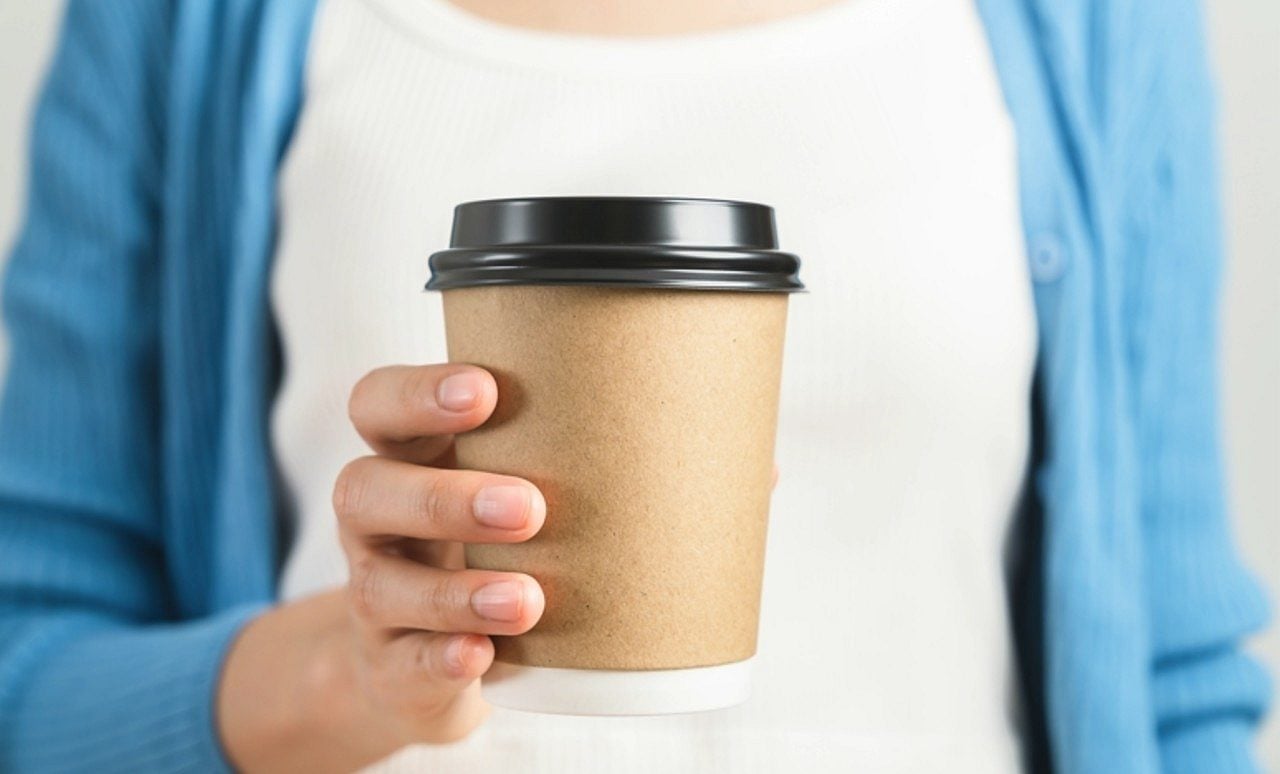
Disposable paper cups, used to serve coffee, tea and other hot drinks, can release millions of plastic particles during use. The discovery is the result of research conducted by scientists at the University of Queensland (UQ), in Australia, who examined containers with polyethylene (PE) or polylactic acid (PLA) coatings.
Both types of coating released fragments upon contact with hot water. In tests, however, cups coated with PLA, a material considered biodegradable, showed a release of particles around 12 times greater in total mass compared to containers with PE.
Inner plastic layer is common in paper cups
To investigate the phenomenon of particle release, the researchers analyzed two models of disposable cups: those with an internal polyethylene (PE) lining and those that use polylactic acid (PLA), an alternative to traditional plastic that is biodegradable.
Despite being marketed as paper cups, these containers usually contain a thin plastic layer inside. This cover has the function of preventing liquid from leaking and, at the same time, helps the glass to maintain its structural shape in contact with drinks.
It was exactly this layer that became the focus of the study. When the cups were filled with hot water, both the PE and PLA released plastic particles. The main difference observed was in the amount released by each type of material.
Dr Elvis Okoffo, a researcher at the Queensland Alliance for Environmental Health Sciences (QAEHS), at the University of Queensland, commented in a statement that “a cup made primarily of paper does not mean the cup is plastic-free, because many contain a thin plastic coating that provides water resistance and structural integrity.”
PLA coating releases greater amounts of microplastics
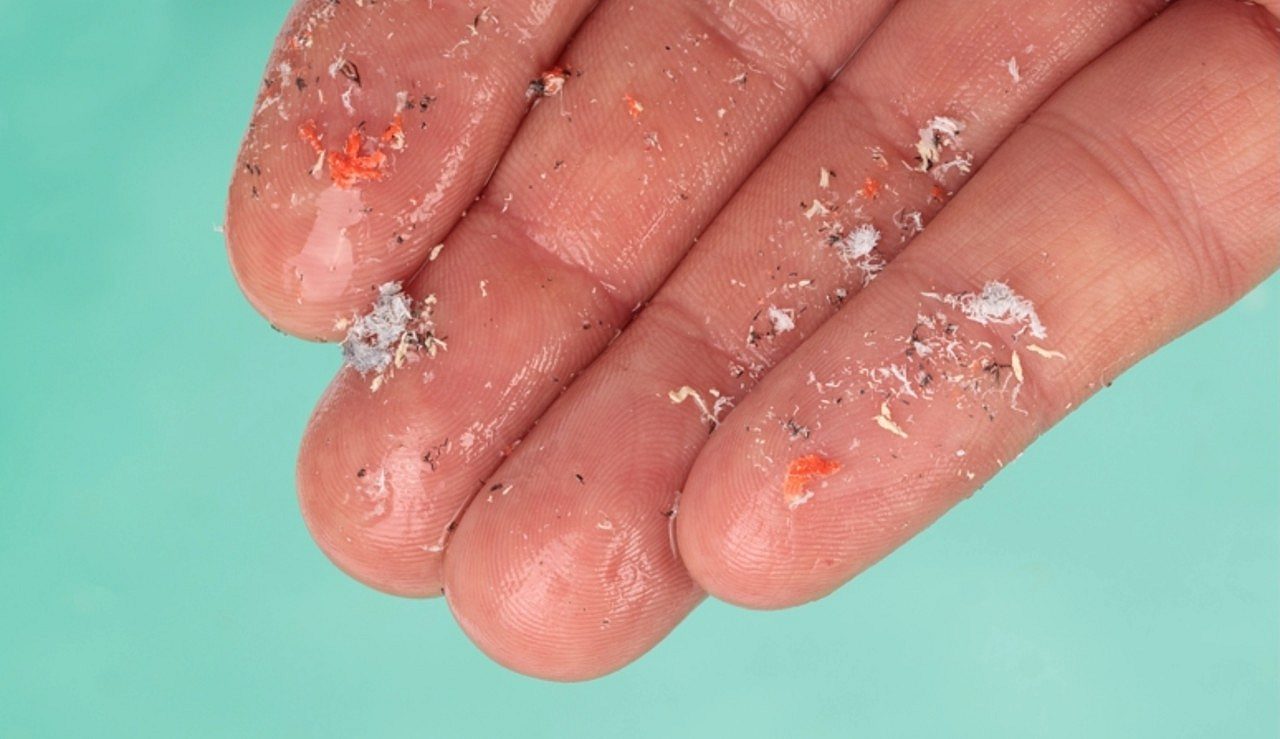
The measurements revealed the distinctions between the materials. In cups with PLA, researchers identified approximately 4.3 million nanoparticles per milliliter. In containers coated with PE, the number recorded was around 2.7 million particles per milliliter.
These nanoparticles are extremely small, having a thickness equivalent to approximately one thousandth of a human hair.
Details about the University of Queensland study results
The main findings of the experiment were:
- PE coatings released plastic particles in the presence of hot water.
- The same happened with PLA-coated cups.
- The total mass of particles released by PLA was approximately 12 times greater than that of PE.
- PLA cups had about 4.3 million nanoparticles per milliliter.
- In PE cups, approximately 2.7 million particles were recorded per milliliter.
Impact of plastic particles on human health remains uncertain
The research authors do not claim that drinking drinks in disposable cups causes health problems. It is still unclear what happens to these particles after they are ingested and reach the human body.
“This doesn’t necessarily mean that people should stop using paper cups, or that PLA is inherently unsafe,” Okoffo said.
For the researcher, it is essential that the materials used in products that come into contact with food are also evaluated for the amount of particles that can be released during routine use.
The research team suggests that consumers receive clear information about the materials present in cup linings. Furthermore, they advocate that regulatory bodies include micro and nanoplastic release tests in the safety assessment of products developed for hot drinks.
“Policymakers and regulators could consider whether micro- and nanoplastic release testing should be part of the safety assessment of food contact materials, especially products designed for hot drinks,” he said.