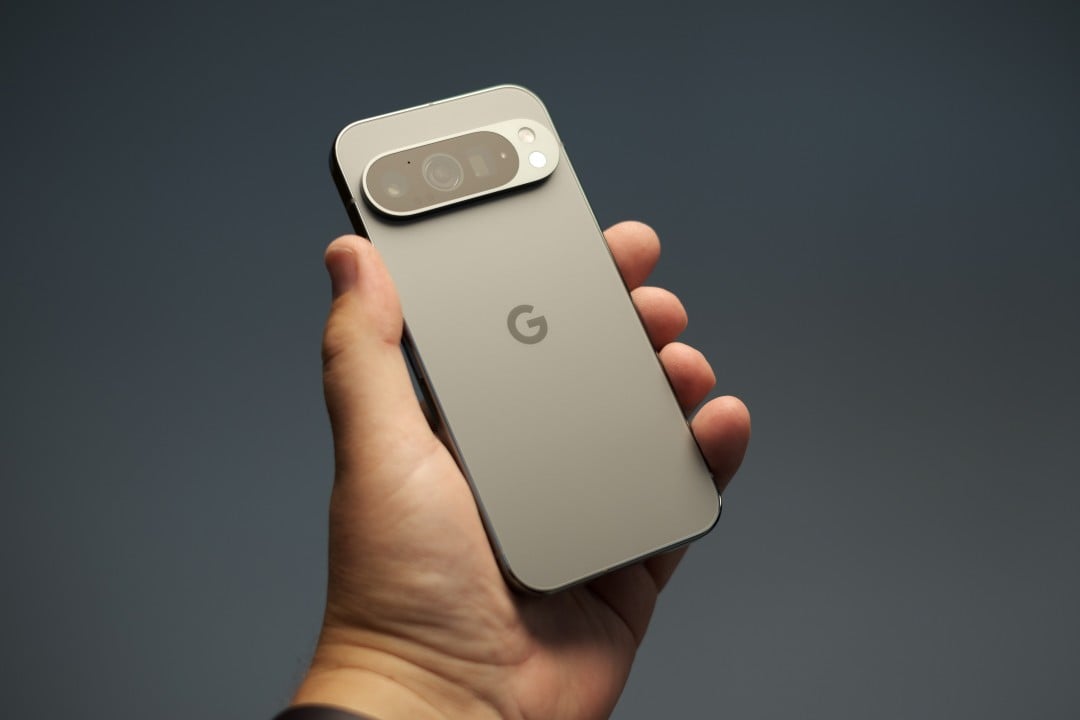
The latest Android system update, released in September, introduces new features for Pixel and Galaxy devices. The new features benefit applications such as Gemini, Find Hub and Google Messages, and what draws attention is the broad compatibility with older models, such as the Pixel 11 Pro and the Galaxy S26 Ultra, demystifying the idea that these advances are exclusive to high-end devices.
Among the additions, the Find Hub feature gains the ability to record the location of personal objects.
As announced by Google on its official Android blog in September, users can now ask the Gemini assistant to store information about where an item was left. This memory is then stored directly in Find Hub.
Thus, Gemini can record the position of objects without trackers, keeping this data available on Find Hub.
Google itself suggests a common use, such as asking: “Hey Google, remember on Find Hub that I put my passport in my bedroom drawer?”, with the option to attach an image. When the person needs the item, simply consult Gemini or access the new “remembered items” section in the app, making it easier to find objects without trackers.
Another new feature is the Movement Assistant, an interactive bubble that appears on the screen and moves in sync with the vehicle. The feature aims to reduce the feeling of nausea and disorientation by aligning visual perception with what the labyrinth (inner ear) detects. Users can automatically enable the feature, add it to quick shortcuts, and customize its shape, color, and transparency.
How does Android Motion Assist compare to other technologies?
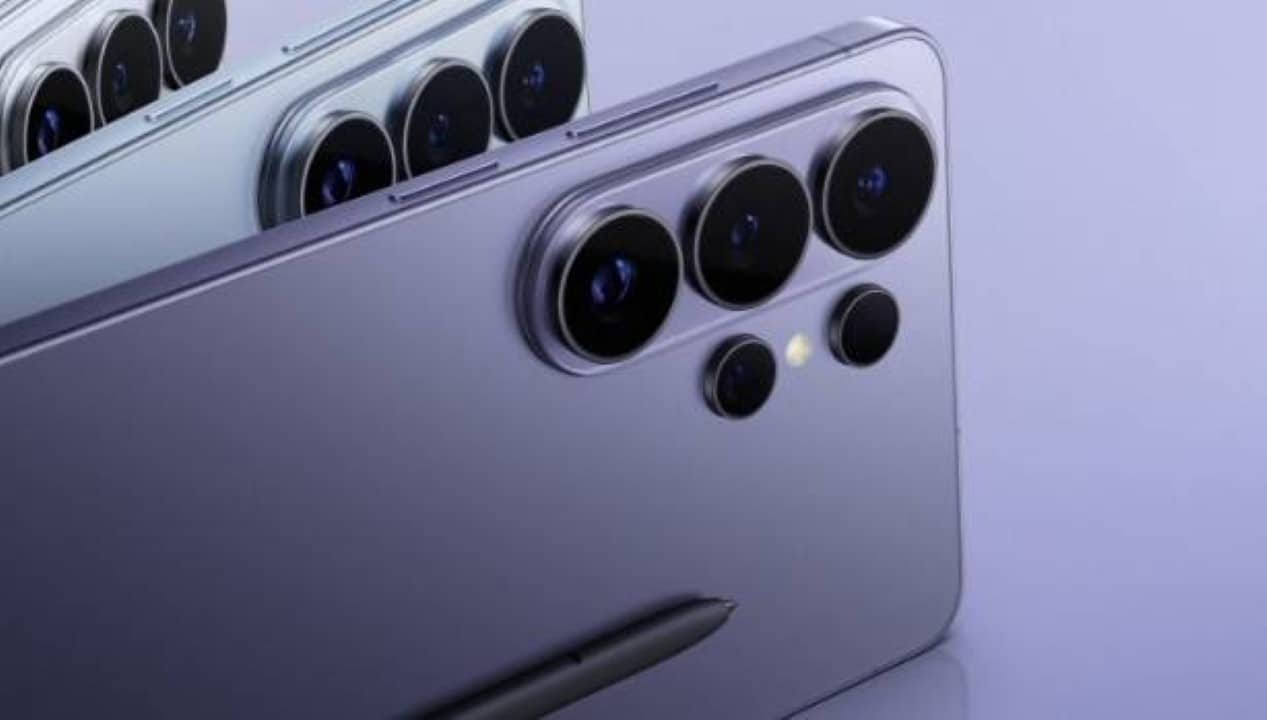
A characteristic of this type of “Drop” update is that the features are implemented through Google applications and services, and not through a complete operating system update. This explains the variation in version requirements for each feature.
The Movement Assistant functionality manifests itself with an overlay of bubbles on the screen, which follows the vehicle’s movement.
However, the Motion Assistant does not represent an innovation exclusive to Google. Apple had already introduced Vehicle Movement Indicators in iOS 18, with a similar effect of animated dots at the edges of the screen. Furthermore, companies like Oppo and Vivo have already had their own versions of Movement Indicators for some time.