Apple plans iPhone 18 Pro debut as major 2027 redesign nears

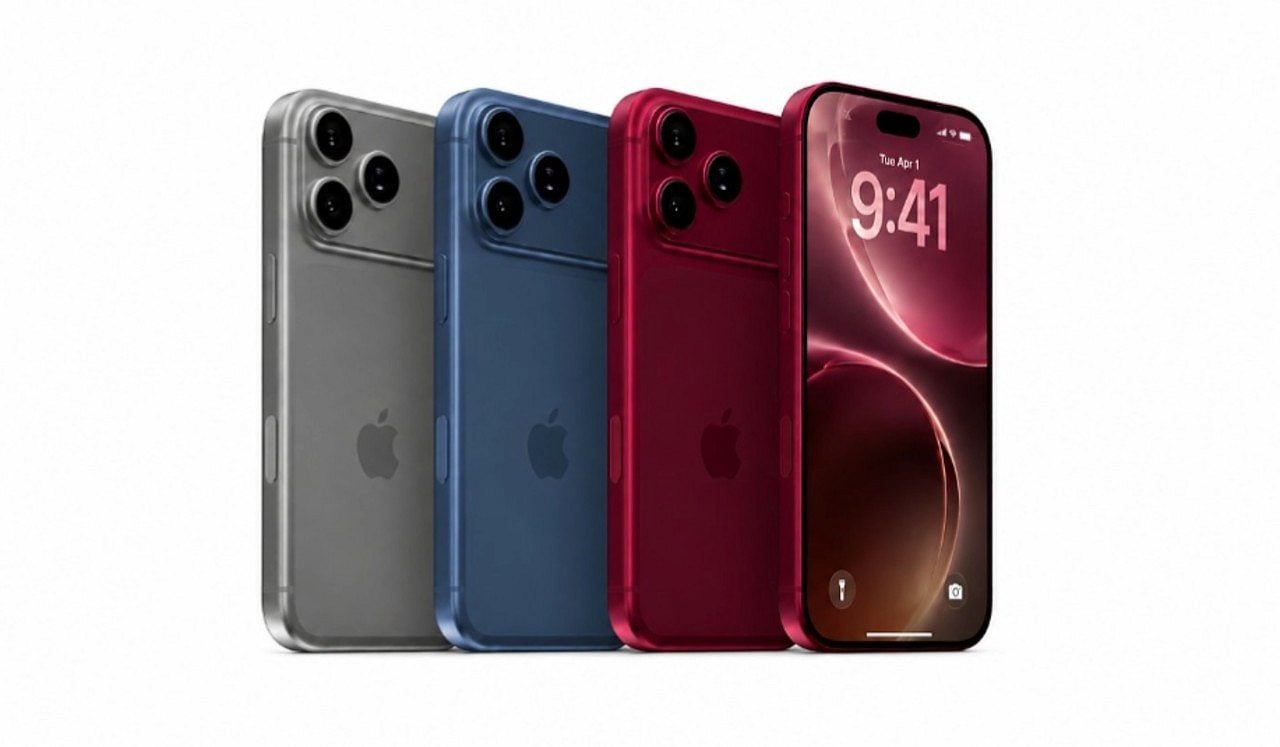
Apple prepares to unveil the iPhone 18 Pro and iPhone 18 Pro Max on September 9, 2026, retaining an exterior design largely identical to the iPhone 17 Pro line. The upcoming models feature internal adjustments while the company reserves a comprehensive visual overhaul for the 20th anniversary iPhone expected the following year.
The planned commemorative release skips the iPhone 19 branding to introduce the iPhone 20 with radical structural modifications. Engineering teams work with Samsung to produce an equal-depth quad-curved display where glass curves away on all four edges. This panel geometry hides the metal perimeter frame during standard handling to create an uninterrupted borderless surface.
Display modifications planned for future hardware
Samsung supplies the thinner OLED screens using Color Filter on Encapsulation technology to elevate brightness and trim electrical consumption.
This display construction eliminates layers to reduce the thickness of the panel stack while permitting higher light transmission. At the same time, Apple runs laboratory tests on under-display Face ID sensors and hidden cameras to remove the Dynamic Island cutout entirely.
Engineers place the authentication components directly below active pixels to reclaim top-edge display space. Hardware integration challenges leave the final deployment window for the hidden camera in the fall of 2027 uncertain. Similar screen redesigns mark the most substantial aesthetic shift since the iPhone X arrived in 2017.
Internal architecture and battery advancements
Development teams evaluate novel core components to distinguish the anniversary edition from the imminent iPhone 18 Pro.
- The second-generation 2-nanometer A21 Pro processor succeeds the upcoming A20 Pro chip.
- A silicon anode battery chemistry packs more lithium ions per gram to extend runtimes without increasing cell volume.
- Vertically stacked DRAM memory modules enhance data bandwidth to accelerate on-device artificial intelligence execution.
The silicon anode design increases chemical density within identical battery enclosures. Apple deploys high-bandwidth stacked memory configurations to sustain demanding artificial intelligence computations without draining processing cycles.
Camera hardware shift and control surfaces
Apple pursues self-developed stacked image sensors to replace the standard components historically sourced from Sony. The custom stacked image sensor developed by Apple incorporates lateral overflow integration capacitor technology to allow individual pixels to capture varying amounts of light, an engineering adjustment designed to deliver up to 20 stops of dynamic range. Laboratory units already operate in hardware test environments.
Apple built a working prototype.
Solid-state buttons are undergoing tests to substitute mechanical assemblies for the Side, Volume, Action, and Camera Control inputs. These haptic surfaces mount directly flush with the exterior chassis and simulate tactile feedback without mechanical travel.
Screen dimensions and delivery schedules
The iPhone 18 Pro and iPhone 18 Pro Max carry forward the 6.3-inch and 6.9-inch display sizes introduced on previous hardware. Prototyping data for the iPhone 20 Pro points instead to a 6.4-inch display, while the iPhone 20 Pro Max expands to a 7-inch diagonal screen. These dimensional adjustments pair with the four-sided curved glass to alter exterior hand feel.
Apple hardware schedules shift constantly.
Complex engineering targets regularly experience production slips of one or two years during hardware qualification. Under-display Face ID development has spanned five years of ongoing laboratory testing without reaching commercial readiness.