Mexican professional wrestler José Ángel Nájera, who performs under the stage identity El Hijo de Fishman, was released from police custody on Friday, October 9, 2026, following the death of 75-year-old referee Gerardo Germán Pineda. The veteran official, known throughout Mexican lucha libre circles as El Búho, died inside the squared circle after suffering a severe impact to his back and neck during an independent card held in Mineral de la Reforma, Hidalgo.
The tragedy took place during the early morning hours of Wednesday, October 7, 2026, inside the Centro Deportivo Cultural 11 de Julio. The arena was hosting an independent showcase promoted by El Patrón Espectáculos titled Deslealtades. Promotion officials immediately retained legal representation for the wrestler through the law firm Magallán, Reyes y Asociados while opening open discussions with Pineda’s surviving relatives.
Paramedics respond inside the ring following sudden in-match collapse
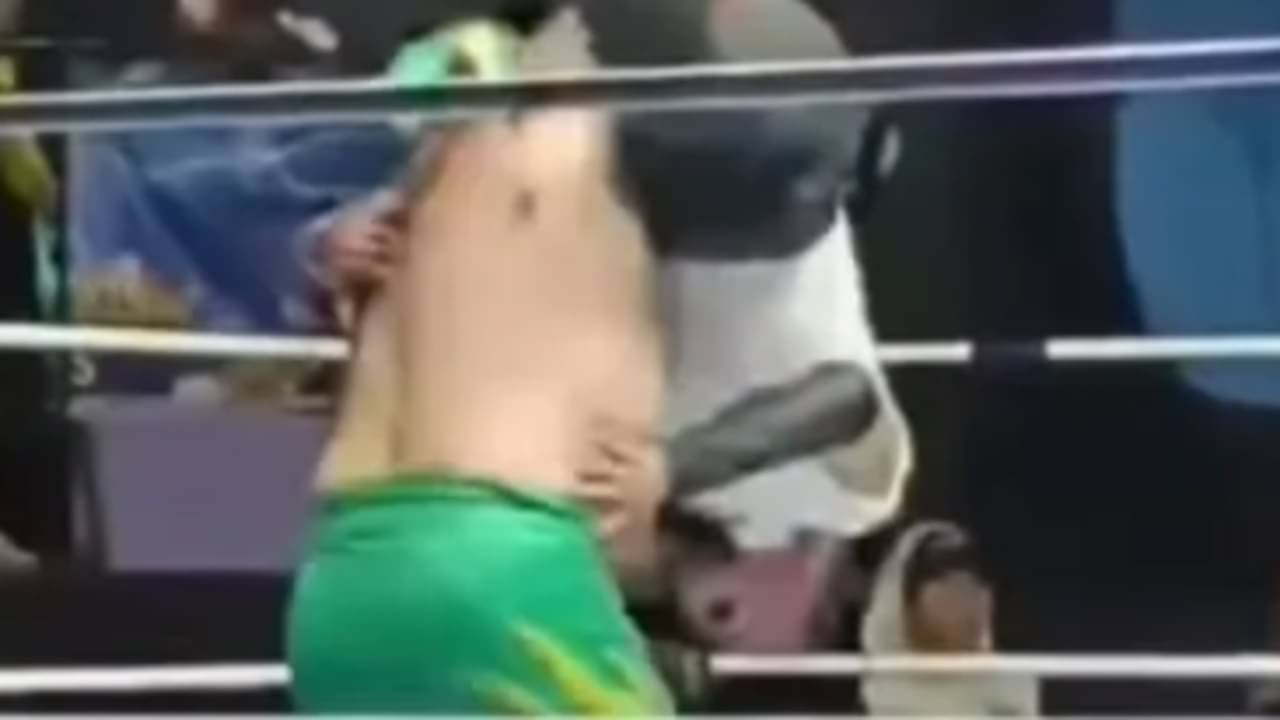
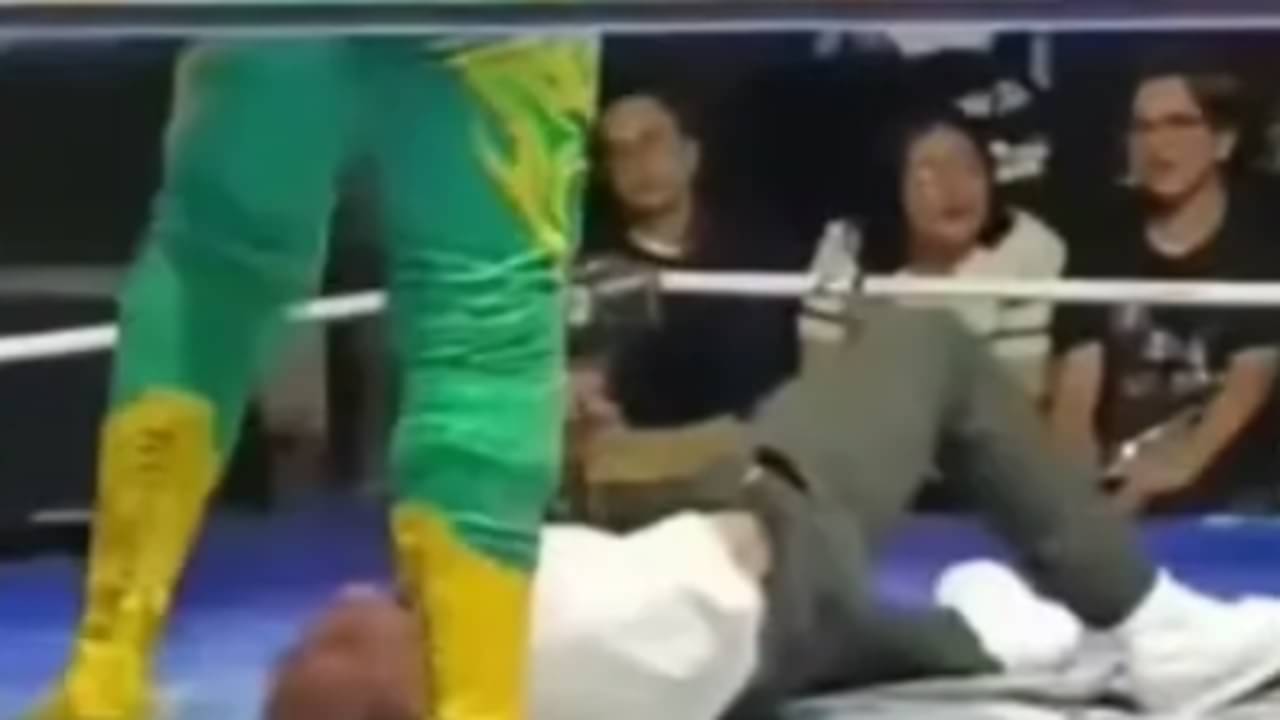
The event closed with a headline encounter featuring El Hijo de Fishman opposite Máscara Sagrada NG. During the staged action, Pineda became tangled in the physical interaction between the competitors and was hoisted by the performer before slamming heavily against the canvas. First responders deployed to the ringside perimeter quickly climbed between the ropes to administer CPR, but the elderly referee displayed no vital signs.
Municipal police officers deployed to the sports hall placed El Hijo de Fishman under arrest before he could leave the premises. Custody was formally transferred to the Hidalgo State Attorney General Office, the regional investigative agency known as the Procuraduría General de Justicia del Estado de Hidalgo. Investigators opened an initial inquiry to clarify the circumstances of the fatal incident and assess criminal accountability.
State prosecutors examine maneuver footage alongside venue permit violations
Initial spectator accounts claimed that Pineda had sustained a piledriver, known in Mexico as a martinete, which involves planting an opponent headfirst onto the floor. Athletic commissions across the globe strictly prohibit the piledriver due to the severe likelihood of cervical fractures, spinal trauma, and irreversible paralysis. Subsequent frame-by-frame analysis of venue recordings indicated that the referee took an awkward fall against his back and neck, without the vertical cranial compression characteristic of the illegal hold.
Keep reading: Ancient Aztec codex returns to Mexico for public display after 186 years abroad, marking cultural milestone
Municipal inspectors from Mineral de la Reforma subsequently enacted an administrative closure of the Centro Deportivo Cultural 11 de Julio. Municipal filings indicated that the venue management lacked appropriate public safety and municipal authorization permits for commercial sports gatherings on that date. Local authorities cited these structural infractions when ordering a partial shutdown of the building during the ongoing judicial probe.
Timeline traces tragic sequence from match opening to legal resolution
- October 6, 2026, late evening: Matches organized by independent promotion El Patrón Espectáculos commence at the sports venue.
- October 7, 2026, early morning: Main event collision results in the fatal fall of referee Gerardo Germán Pineda, followed by immediate police detention.
- October 8, 2026: Hidalgo state prosecutors publicly confirm a preliminary manslaughter investigation against the performer.
- October 9, 2026, early morning: Defense attorneys secure a formal compensation agreement that guarantees the immediate release of El Hijo de Fishman before the expiration of the statutory 48-hour custody window.
The swift resolution avoided the filing of formal criminal charges before a trial judge. Under Mexican criminal procedural guidelines, reparatory agreements between suspects and victims’ legal representatives can resolve involuntary manslaughter allegations without judicial incarceration.
Decades inside Mexican rings established referee legacy and family lineage
Gerardo Germán Pineda had officiated professional wrestling cards across Mexico for nearly 30 years prior to his death. Before transitioning into refereeing, he competed for 15 years as a masked luchador under the ring name El Búho Negro II alongside his brother, El Búho Negro I. Following memorial ceremonies attended by wrestling colleagues, family members arranged for his interment at the Pachuca Municipal Cemetery.
Learn more: Tropical Storm Isaias strengthens in Gulf of Mexico toward weekend landfall in southern United States
El Hijo de Fishman carries forward a notable Mexican wrestling legacy as the son of José Ángel Nájera Sánchez, who achieved national fame during the 1980s under the mask of Fishman, frequently called Veneno Verde. The younger performer adopted the costume, ring identity, and technical style of his father to pursue an international career on the independent wrestling circuit.
Official statements address legal backing while forensic teams await autopsy report
- Victim age: 75 years completed.
- Time served as an official: nearly 30 consecutive years.
- In-ring competitive career: 15 active years as a masked luchador.
- Investigating entity: Procuraduría General de Justicia del Estado de Hidalgo.
Promotion company El Patrón Espectáculos affirmed in an official release that it worked closely with the athlete’s defense team while preserving direct communication with Pineda’s relatives. Representatives emphasized that their actions focused on guaranteeing transparency, respecting all involved parties, and upholding statutory due process.
The state forensic medical agency, Servicio Médico Forense, has not yet released its final clinical autopsy documentation regarding Pineda’s precise cause of death. Forensic pathologists continue to evaluate whether the fatality stemmed from acute head trauma, cervical spine displacement, or a fatal cardiac event triggered by physical trauma on the ring canvas.