Osteoporosis affects 10 million Brazilians without early symptoms By Carolina Costa
5 min read
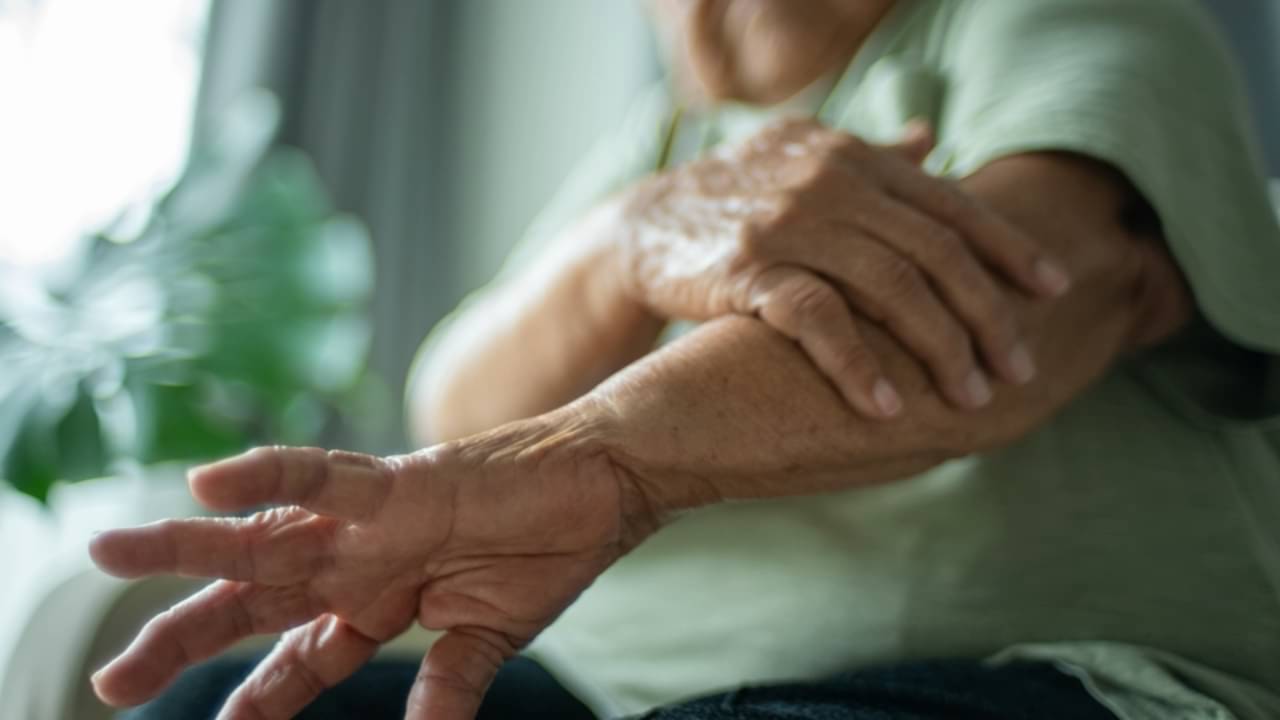 |
Osteoporosis affects around 10 million Brazilians, a condition that weakens the bones quietly and occurs more often in women. The estimate comes from the International Osteoporosis Foundation (IOF), cited by specialists and medical entities after the World and National Osteoporosis Day, marked on October 20, 2026. Up to 80% of patients who suffer a fracture remain without a diagnosis and without treatment for the underlying condition.
Because the disease causes no pain in its early stage, it is usually found only after minor trauma, such as a fall from standing height or a small movement that causes serious injuries to the wrist, the hip or the spine. The orthopedist José Luis Amim Zabeu, coordinator of Orthopedics at Vera Cruz Hospital, in Campinas (SP), recommends checking bone structure right in the emergency room. “Bone investigation should be part of fracture care, without waiting for the bone to heal. When we identify osteoporosis or another condition that compromises bone strength, we can start a treatment to reduce the risk of new fractures. Healing the injury does not end this follow-up,” said the specialist.
How many Brazilians are affected and how often fractures happen
Data released by the International Osteoporosis Foundation and by the Brazilian Society of Rheumatology (SBR) in October 2026 measure how many people have bone fragility and how little preventive screening takes place in the country.
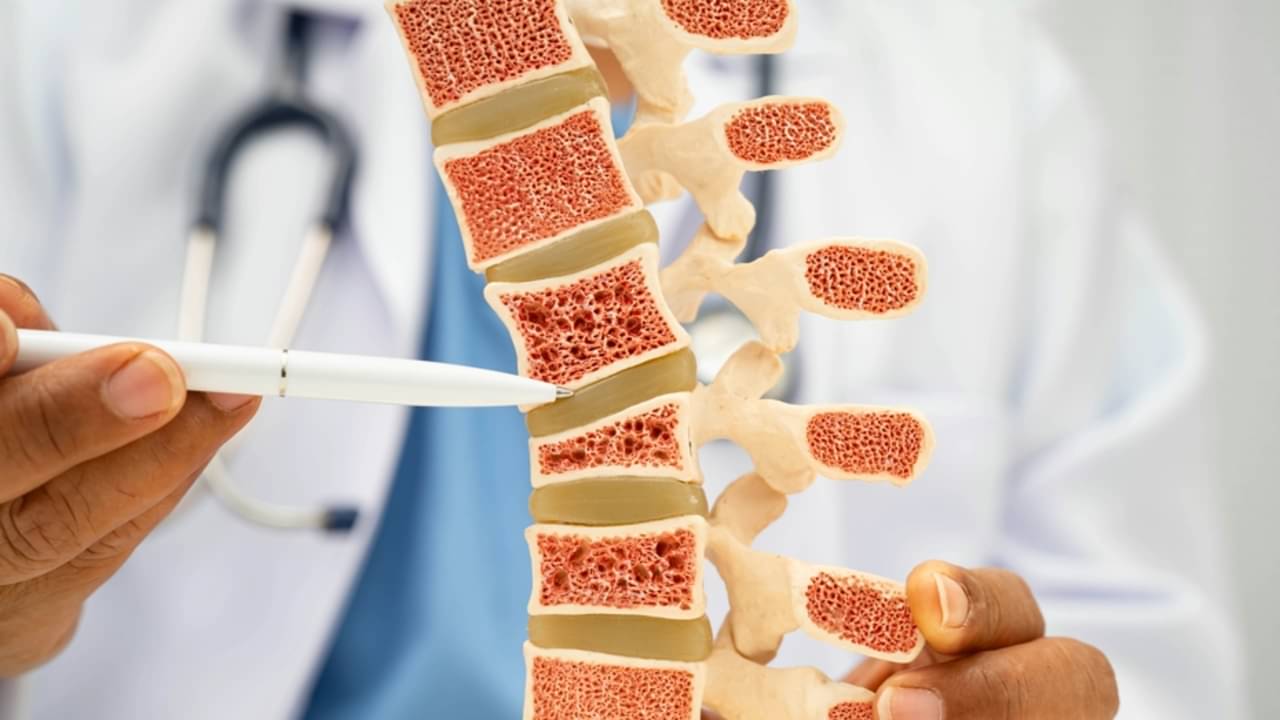
- About 400,000 fractures caused by bone fragility are recorded in Brazil every year.
- Only 20% of patients receive the diagnosis before their first fracture.
- People who already had a fracture face an 86% higher chance of suffering a new one, with the greatest danger in the first two years after the initial episode.
- Worldwide, 1 in 3 women and 1 in 5 men over 50 will have at least one osteoporosis-related fracture during their lifetime.
- After menopause, the condition affects 14% to 29% of women over 50 and reaches up to 73% of those over 80, according to SBR data.
Why bone loss goes unnoticed and why women are more affected
The rheumatologist Marcia Veloso Kuahara, who works at AMA Especialidades Jardim São Luiz, a unit managed by the Centro de Estudos e Pesquisas Dr. João Amorim (Cejam), says the absence of pain creates a false sense of safety. Patients tend to delay clinical tests as a result. “Bone is living tissue that is constantly remodeled throughout life. As we age and hormones change, the mineral is reabsorbed faster than new cells are formed. Because the process has no symptoms, the person does not feel the bone weakening. That is why actively investigating risk factors is essential before a fracture happens,” said the doctor.
In women, vulnerability increases sharply after menopause, when estrogen production falls abruptly. Estrogen helps protect and strengthen bone tissue, which is why doctors recommend attention to skeletal health from age 40, when the hormonal transition begins. Visible signs such as a loss of height and a progressively more curved back need medical evaluation, since they may point to silent changes or fractures in the vertebrae.
According to Zabeu, patients with predisposing factors should seek guidance even without a history of falls. “People with risk factors can talk to a health professional about evaluating bone health, even if they have never broken a bone. For those who have already had an episode, there is no need to wait for another one to investigate,” the coordinator of the Vera Cruz Hospital said.
What the 2030 forecast means and what SUS offers patients
The Brazilian scenario points to a sharp rise in orthopedic injuries if prevention rates do not improve in the coming years. A report from the International Osteoporosis Foundation, combined with projections analyzed by the Brazilian Society of Rheumatology, with the participation of the rheumatologist Vera Lucia Szejnfeld, a member of the society’s Commission of Osteometabolic Diseases and Osteoporosis, indicates that the annual number of fragility fractures in the country could rise by up to 60% by 2030. The increase is linked to population aging: the number of Brazilians over 60 is expected to grow from 33 million to more than 40 million by 2030.
Check out: FDA discute uso de testosterona em mulheres na menopausa em meio a desafios de acesso e dosagem
In the public health system, the Brazilian Society of Endocrinology and Metabology (SBEM) issued guidance on October 20, 2026, on free care for severe cases in the Sistema Único de Saúde (SUS). Under the Clinical Protocol and Therapeutic Guidelines (PCDT) of the Ministry of Health, the public network offers options including romosozumab, an injectable biologic drug that stimulates bone formation. It is indicated specifically for postmenopausal women at very high risk of fracture who have failed previous treatments.
Bone density test, exercise and home changes that lower risk
Early bone loss is detected in the doctor’s office through a clinical assessment and confirmed by bone densitometry, a low-dose X-ray exam that measures mineral concentration in the areas of the skeleton most prone to breaks. Exercise is also part of prevention. The physical education professional and exercise physiology specialist Jauan Anselmo highlights resistance training. “Strength training should also be seen as an investment in bone health. Bones respond to the mechanical stimuli they receive, and well-prescribed exercises can help preserve their structure over time. The key is to respect each student’s individuality, consider their history and progress safely and consistently,” said Anselmo.
Marcia Veloso Kuahara stresses that intense workouts or nutritional supplements should not be started on one’s own. “There is no standard or miracle approach to bone health. Recommending calcium and vitamin D supplements, or clearing someone for certain physical activities, requires a detailed evaluation of kidney, heart and metabolic function in each patient. The goal is to strengthen the skeleton with full safety for the body,” the doctor explained.
- Densitometry is indicated for women from age 65, men from age 70, or younger people with risk factors and a history of fracture from low impact.
- Lifestyle and genetic factors include family history, a sedentary routine, smoking, excessive alcohol use and low daily intake of calcium and vitamin D.
- Clinical factors include prolonged use of corticosteroids, previous bariatric surgery and chemotherapy treatments.
- At home, people can remove loose rugs, improve indoor lighting and install grab bars in bathrooms to reduce falls.
When osteoporosis is already established or a fracture follows a minor trauma, the doctor may prescribe specific medications and, in selected cases after a risk-benefit analysis, hormone therapy. Zabeu said exercise, proper diet and fall prevention are part of care but do not replace specific treatments when they are needed. “Monitoring allows the doctor to assess the response to treatment and adjust the guidance to each person’s condition,” he concluded.