Eiffel Tower closes as nationwide strike hits France on November 5 By Luís Henrique Costa
4 min read
 |
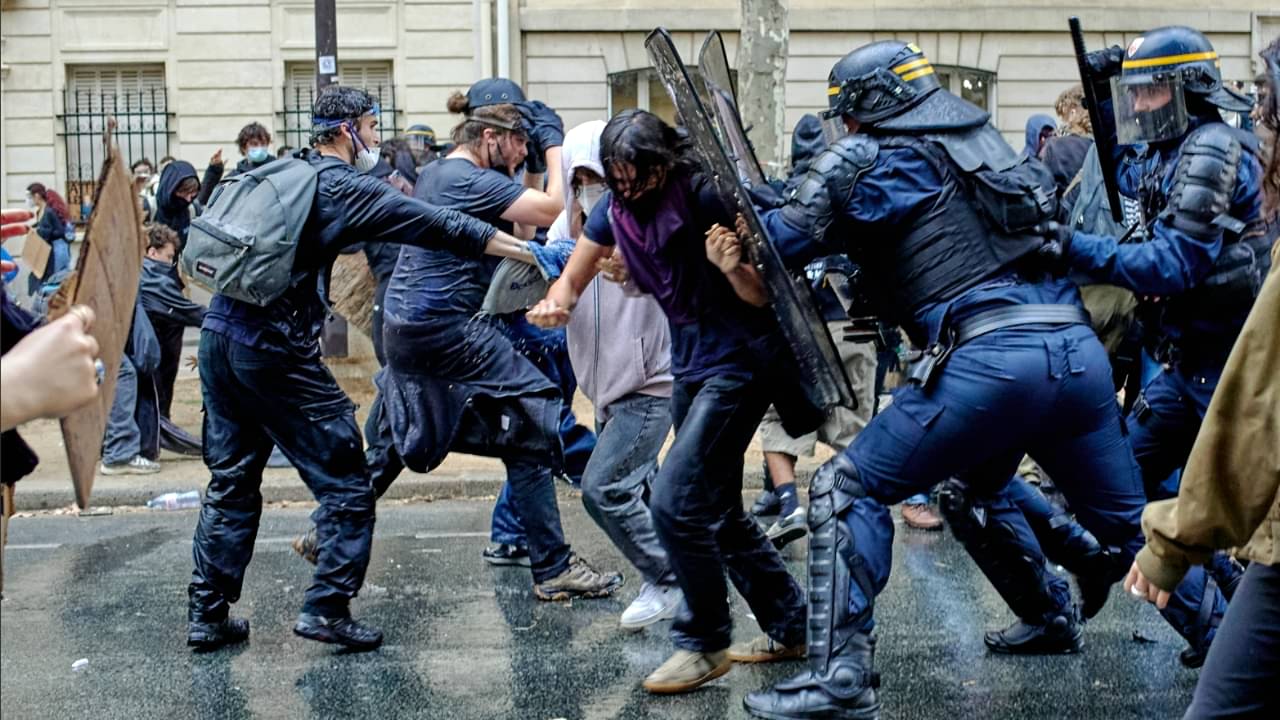
Thousands of people filled the streets of French cities on Thursday, November 5, 2026, as a nationwide general strike called by the country’s unions paralyzed public transport and shut the Eiffel Tower. The Interior Ministry sent 70,000 police officers and gendarmes, backed by armored vehicles, aircraft and drones, to contain protests planned at 260 locations across France. The movement denounces rising prices for everyday goods and demands immediate adjustments to the wage floor and retirement benefits.
The strike hit the rail network, urban bus lines and metro stations, and it suspended classes in hundreds of public and private high schools. The Eiffel Tower closed completely after its reception and security staff joined the walkout. The monument’s official website said the closure was due to the national strike movement.
Official projections estimated 500,000 to 700,000 participants in the provinces and 40,000 to 80,000 protesters in the capital. The large turnout reflects growing economic tension in the final months of President Emmanuel Macron‘s term, which ends in May 2027.
The discontent gained strength after fuel price increases and spending-cut targets set for the 2027 budget. Union leaders argue that workers’ purchasing power has eroded without adequate pay adjustments.
“Fuel, food, rent, gas, electricity… everything is going up except wages and pensions. The anger is immense. The situation in this country is fragile,” reads a joint statement from the organizations behind the strike. The text also calls for urgent social and environmental challenges to be addressed without delay.
Transport, metro and tourist sites face closures and delays
Riot police recorded incidents in regional capitals. In Rennes, men with covered faces built barricades on public roads and threw steel balls at police lines during the morning.
Read also: Cost-of-living protests in France: 320,000 people, tear gas and Paris clashes
Police used tear gas in Paris and Lyon to clear high schools and disperse projectiles. On the avenues of Marseille and Nantes, thousands of demonstrators carried banners against the government’s tax policy.
“We are continuing the movement because they do not listen to us. We are here to try to change things,” said Luce, a 15-year-old high school student, during the march through central Strasbourg. The high school movement has led the protests since September.
The strike caused severe disruption to urban mobility and to in-person services at public agencies. Public transport users and tourists should follow these guidelines:
- Rail and metro services run at extended intervals and some stations are closed, so riders should check the operators’ emergency schedules before travelling.
- Major tourist sites, including the Eiffel Tower, suspended entries, and ticket holders should request a refund or a new date through official channels.
- Roads leading to airports and urban highways have intermittent delays caused by blockades by protesters.
- Schools where teachers joined the strike keep classes cancelled until the base assemblies conclude.
Unions push wage demands as government defends budget targets
The movement brings together demands to recover losses accumulated since the start of the year. Its central demand is a higher interprofessional minimum wage, job stability and more funding for essential public services.
The government says it must keep fiscal responsibility targets to balance public accounts in 2027. Unions counter that lower-income people bear a disproportionate share of rising energy and basic goods prices.
Keep reading: Marseille youth faces barbarity charges after street protest flamethrower assault on woman
The social crisis has crossed French borders and prompted student and worker solidarity demonstrations in neighboring countries, including Spain, Italy, Belgium and Albania. The scale of the protests puts direct pressure on the French executive to open formal wage negotiations with labor leaders.
How the protests escalated from September to November 2026
Protests against the cost of living and the government’s economic policies have run for weeks. The timeline below lists the main milestones.
- September 2026: high school students began partial strikes and school blockades against rising education and living costs.
- October 17, 2026: street protests grew in dozens of cities, with urban clashes, vandalism and looting of retail shops.
- Late October 2026: trade union centrals joined youth demands to wage claims from public servants and private-sector workers, widening their support base.
- November 5, 2026: the general strike halted urban traffic, closed schools and tourist attractions, and drew 70,000 police to the streets.
The Interior Ministry is keeping monitoring teams in the main capitals to tally arrests and property damage. Interior Minister Laurent Nuñez had announced a security set-up identical to the one used on October 31.