
Stroke symptoms: face, arm and speech signs demand a call to 192

Stroke kills and disables millions of people around the world every year. In Brazil, an estimated 400,000 cases occur annually, and the damage reaches patients and their families for years. A stroke, popularly called “derrame,” happens when blood stops reaching the brain, either because an artery is blocked or because a vessel bursts. Recognizing the symptoms quickly and seeking medical care without delay are the main steps to reduce lasting harm and save lives.
The brain needs a constant supply of oxygen and nutrients carried by the blood. When a clot or a fatty plaque blocks an artery, or when a vessel ruptures, parts of the brain lose oxygen and brain cells can die within minutes. The ischemic type, caused by clots or plaques that block blood flow, accounts for about 85% of cases. The hemorrhagic type is less common and results from bleeding in the brain, often linked to high blood pressure or aneurysms. Both can cause paralysis, speech trouble and death if not treated quickly.
Several conditions raise the risk considerably, including high blood pressure, diabetes, high cholesterol, smoking, obesity and a sedentary lifestyle. Advanced age and family history also play an important role. Available data show that about 25% of strokes happen in people younger than 65, which is why prevention matters at every age. According to global studies, a balanced diet and regular exercise can cut the risk by up to 50%.
Warning signs that a stroke may be under way
Knowing the symptoms is the first step toward fast care. The most common signs include:
- Sudden weakness or numbness on one side of the body, in the arm, leg or face.
- Sudden difficulty speaking or understanding speech.
- Loss of vision in one or both eyes, or double vision.
- Dizziness, loss of balance or trouble walking.
- Severe headache with no clear cause, especially in hemorrhagic cases.
How a stroke damages the brain
When blood flow stops, brain cells begin to die within minutes, a process known as ischemia. In the ischemic type, the clot blocks the passage of blood and deprives brain tissue of oxygen. In the hemorrhagic type, blood leaking from a damaged vessel raises the pressure inside the skull, squeezing the brain and causing more injury. How severe a stroke is depends on the area affected and how long the tissue goes without adequate blood supply. Areas that control speech, movement or memory can be affected, which may leave permanent sequelae.
Speed of response is critical. Clot-dissolving drugs, known as thrombolytics, work only within the first 4.5 hours after symptoms begin in the ischemic type. Hemorrhagic strokes may require surgery to stop the bleeding. Hospitals with stroke units, specialized wards for this condition, have improved recovery rates and cut the risk of death by up to 20% compared with conventional care.
Risk factors that raise the chance of stroke
Many strokes can be prevented by changing habits and controlling medical conditions. High blood pressure is the main risk factor and is present in about 70% of cases. Controlling blood pressure with medication and eating less salt can lower the chance of an event considerably. Diabetes damages blood vessels over time and also increases the risk, especially when poorly controlled, so monitoring glucose and following a balanced diet are essential.
Smoking doubles the risk of stroke, because the chemicals in cigarettes damage arteries and favor clot formation. Quitting can reduce the risk by up to 50% within a few years. Heavy alcohol use and recreational drugs such as cocaine also raise blood pressure and can trigger hemorrhagic events. The commonly accepted guideline is no more than one drink a day for women and two for men.
See also: Brazil urges families to stock 72-hour emergency kits with water
Daily habits that lower stroke risk
A healthy lifestyle is the best strategy for reducing stroke risk. Practical steps include:
- Eating plenty of fruits, vegetables, whole grains and healthy fats, such as those found in fish and olive oil.
- Doing at least 150 minutes of moderate exercise a week, such as walking or swimming.
- Checking blood pressure, cholesterol and glucose regularly.
- Managing chronic stress, which can raise blood pressure, through practices such as meditation or yoga.
- Having a yearly check-up, especially after age 40, to find and treat risk factors early.
Acting fast when someone may be having a stroke
Quick care can make the difference between life and death. If a stroke is suspected, the FAST test is a simple way to check for signs: face drooping, arm weakness and speech problems, with “T” standing for time to call for help. If any of these signs appear, the next step is to call emergency services at once, such as SAMU at 192 in Brazil. Every minute counts, because delayed treatment raises the risk of serious sequelae.
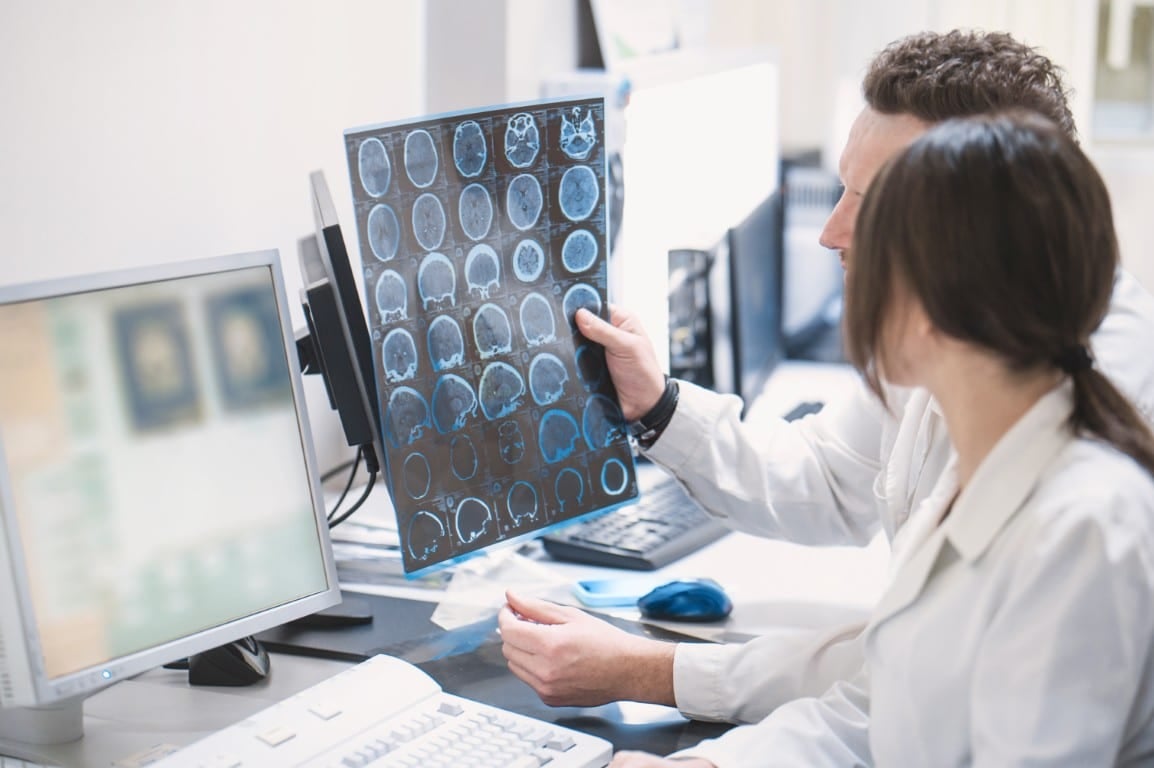
At the hospital, CT scans or MRI exams determine the type of stroke and the right treatment. For the ischemic type, clot-dissolving drugs or thrombectomy, a procedure that removes the clot mechanically, can restore blood flow. For the hemorrhagic type, controlling blood pressure and, in some cases, surgery to repair damaged vessels are essential. After initial treatment, rehabilitation with physical therapy, speech therapy and occupational therapy helps patients regain lost functions.
Costs and social toll of stroke in Brazil
Stroke affects not only the patient but also families and the health system. In Brazil, the yearly cost of treatment and rehabilitation exceeds R$ 2 billion, placing pressure on the Sistema Único de Saúde, the public health system known as SUS, and on private health plans. About 50% of survivors have sequelae that limit independence, such as motor or cognitive difficulties. Awareness campaigns, such as World Stroke Day on October 29, seek to educate the public about prevention and early recognition.
Access to care is also uneven. Poorer regions, such as the North and Northeast, have fewer specialized stroke units, which raises mortality rates. Investment in hospital infrastructure and training for health workers is needed to narrow those gaps. Telemedicine has also helped, allowing specialists to guide teams in remote areas during emergencies.
Yearly calendar for stroke awareness
Campaigns and initiatives against stroke follow a yearly calendar:
- January to December: continuous monitoring of risk factors such as blood pressure and cholesterol.
- October 29: World Stroke Day, with educational events in hospitals and communities.
- November: awareness month for cardiovascular health, focused on prevention.
- Throughout the year: emergency care training programs for health professionals.
New treatments and research under way
Medical advances have changed the outlook for stroke patients in recent years. Mechanical thrombectomy has extended the treatment window to as long as 24 hours in some ischemic cases, provided it is performed in specialized centers. Newer anticoagulants, which are safer, have also reduced the risk of repeat events in patients with atrial fibrillation, a condition linked to 20% of strokes.
Check out: Ministry of Health records 14 lightning deaths in Brazil through August 2026
Artificial intelligence is also changing diagnosis. Algorithms that analyze brain images can flag signs of stroke within minutes, speeding decisions in emergencies. Research is also exploring regenerative therapies, such as stem cells to repair damaged brain tissue, but these treatments remain experimental.
Obstacles in stroke care and access
Despite these advances, stroke care still faces major obstacles. Many people ignore early symptoms, which delays treatment. In Brazil, only 30% of stroke patients reach a hospital within the ideal treatment window. Educational campaigns need to reach communities with less access to information. The spread of risk factors such as obesity and high blood pressure keeps growing, driven by sedentary routines and diets rich in fat and sugar.
Long-term rehabilitation is another problem. Many patients struggle to reach physical therapy and speech therapy services, especially in rural areas. Psychological support is also essential, since stroke can lead to depression and anxiety in up to 30% of survivors. Governments and health organizations are expected to prioritize public policies that guarantee fair access to quality care.
Why prevention remains the main tool
Preventing stroke requires continuous, multi-part effort. Small changes in daily life, such as cutting back on salt, avoiding ultra-processed foods and adding physical activity to the routine, can have a significant effect. Communities also contribute through group activities such as walks or health fairs. Schools and workplaces can offer education on heart and vascular health.
Cooperation among governments, health professionals and society is essential to reduce the burden of stroke. Expanding stroke units in public hospitals and teaching health in schools can save many lives. Medicine keeps advancing, but prevention is still the most powerful tool against this condition.





