Ministry of Health records 14 lightning deaths in Brazil through August 2026 By Carolina Costa
5 min read
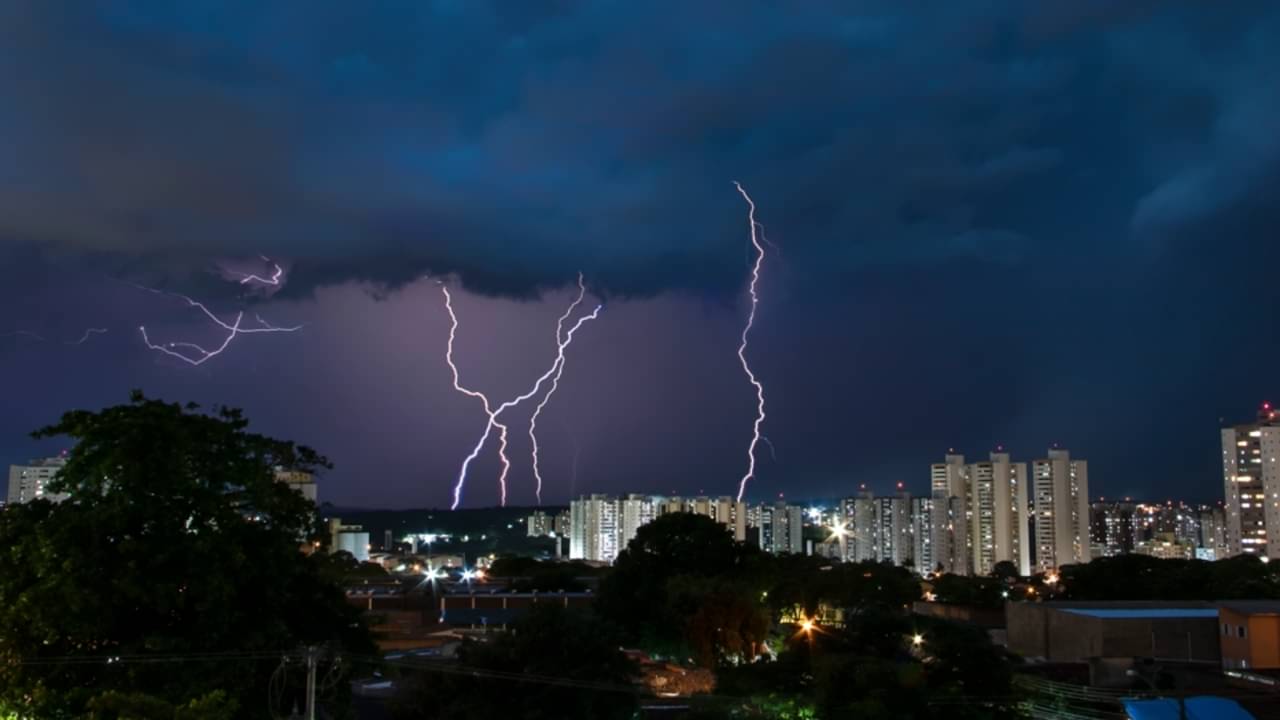 |
Brazil records between 100 million and 150 million lightning strikes a year, according to the National Institute for Space Research (Inpe). That volume places the country among the three with the highest incidence of lightning in the world, alongside the United States and the Democratic Republic of the Congo. Brazil’s position in the tropics and its continental size help explain how frequent the strikes are.
In one recent year of measurement, Inpe’s monitoring network logged 141 million lightning events on Brazilian soil. Inpe researcher Kleber Naccarato said the rising counts follow the increase in average global temperatures. “The Earth has already warmed almost 1.5°C over the last 100 years. So the hotter the environment, the greater the chance of storms forming and, with them, more lightning activity,” the specialist explained.
Public health system logged 14 deaths and 63 hospital cases
Hospital records and long-term projections from research centers show the impact of storms on people. Official surveys cover both the current toll on the public health network and the risk calculated for the coming decades. The figures for Brazil‘s Unified Health System (SUS) run through August 2026.
- SUS care through August 2026: 14 deaths confirmed and 63 hospital admissions or emergency visits at public facilities.
- Estimate for 2100: more than 200 million lightning strikes a year if the pace of global warming continues.
- Individual risk: the chance that a person is directly struck by lightning is one in a million.
Why each extra 1°C could raise lightning strikes by 15% to 40%
Storms need high humidity and intense heat to build heavy clouds quickly in many regions. Inside those clouds, ice particles collide constantly and separate electric charges until the potential difference overcomes the resistance of the air, producing the flash followed by thunder. Scientists calculate that each additional 1°C in average global temperature could raise lightning incidence by between 15% and 40%, the basis for the projection of more than 200 million records a year by the end of the century.
Local factors add to climate change and make storms more severe. Deforestation, air pollution and disorderly urban growth change wind patterns and intensify urban heat islands in big cities. The dynamic increases power outages, wildfires in native Cerrado vegetation and landslides caused by rocks fragmented by lightning. In Rio de Janeiro state, the power distributor Enel Rio reported more than 820,000 customers affected by lightning on its grid between January and the first week of September 2026, a rise of 283% over the same period of 2025.
Inpe study counts 2,194 deaths from 2000 to 2019
The Inpe Atmospheric Electricity Group examined the lethality of lightning and confirmed 2,194 deaths caused by electrical discharges in Brazil between 2000 and 2019. Men accounted for 82% of the deaths, and people aged 20 to 29 made up 24% of the victims. By season, summer caused 43% of the deaths and spring another 33%, a pattern that shows the influence of heat and humidity.
Learn more: Connor Metcalfe fires Australia ahead 2-1 against Brazil in Brisbane
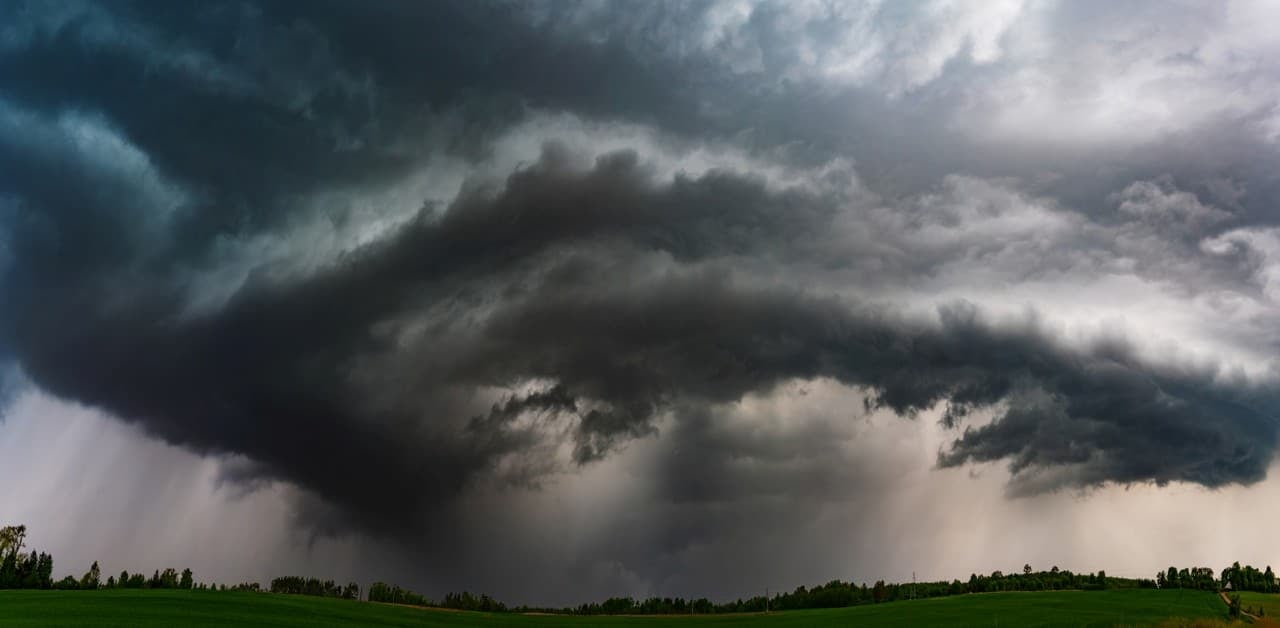
Inpe also mapped the exact places where victims were at the moment of the fatal strike. The breakdown shows deaths in open fields, inside homes, near water and under trees.
- Rural areas: 26% of confirmed deaths, with heavy concentration among agricultural workers.
- Inside homes: 21% of fatal cases, caused by electric current conducted through plumbing pipes or wiring.
- Near water: 9% of deaths, including fishing, promenades and sand strips on the coast.
- Under trees: 9% of the total deaths recorded by the national survey.
Fatal strikes at a 1996 training session and a 2026 beach death
The record includes deadly and near-fatal incidents at leisure and sports venues over the decades. On February 28, 1996, in São Paulo, physical trainer Altair Ramos was struck during a football training session and survived. On December 1, 1997, a lightning strike at Garopaba beach killed Cristian Duran and Aparecida Edileusa and left Gisely Bolanho seriously injured.
A fatal case on the Santa Catarina coast also entered the figures of the Ministry of Health, which counted 14 deaths and 63 public-network care cases through August 2026. On August 28, 2026, Edinara Gonçalves Areze, a 39-year-old tourist from Rio Grande do Sul, was hit by lightning at Praia da Pinheira, in Palhoça. Emergency staff took her to the Hospital Regional de São José, where the medical team confirmed her death on August 29, 2026.
See also: Brazil lead Australia 1-0 in Brisbane friendly as Vanderson scores early stunner
Experts urge shelter at the first thunder and avoid open structures
Meteorologist Rachel Albrecht, a professor at the University of São Paulo (USP), warned that people should seek shelter at the first sound of thunder. “If you hear thunder and you are in an open place, you are already exposed,” she said. She added that lowering the risk also depends on behavior: “People need to understand that if a storm is approaching, the safest thing is to seek shelter as soon as possible.”
Meteorologist Fabio Hochleitner, from the Federal University of Rio de Janeiro (UFRJ), said safety depends on physically separating people from open areas. “There is no way to tame nature, so there is no way to reduce the number of lightning strikes. That is why the main guidance is to reduce exposure to them, whether direct or indirect,” the researcher said. According to the two researchers, kiosks, beach tents and tree canopies offer no barrier against electricity, and staying inside masonry buildings or metal cars with the doors and windows closed is the safer option.
The Ministry of Health provided the balance of medical care for lightning accidents in 2026 directly. The data are still being consolidated and will be published on a public query panel once that process ends.