Donald Trump says Lula asked for neutrality in Brazil’s election, G20 talks pending By Luís Henrique Costa
4 min read
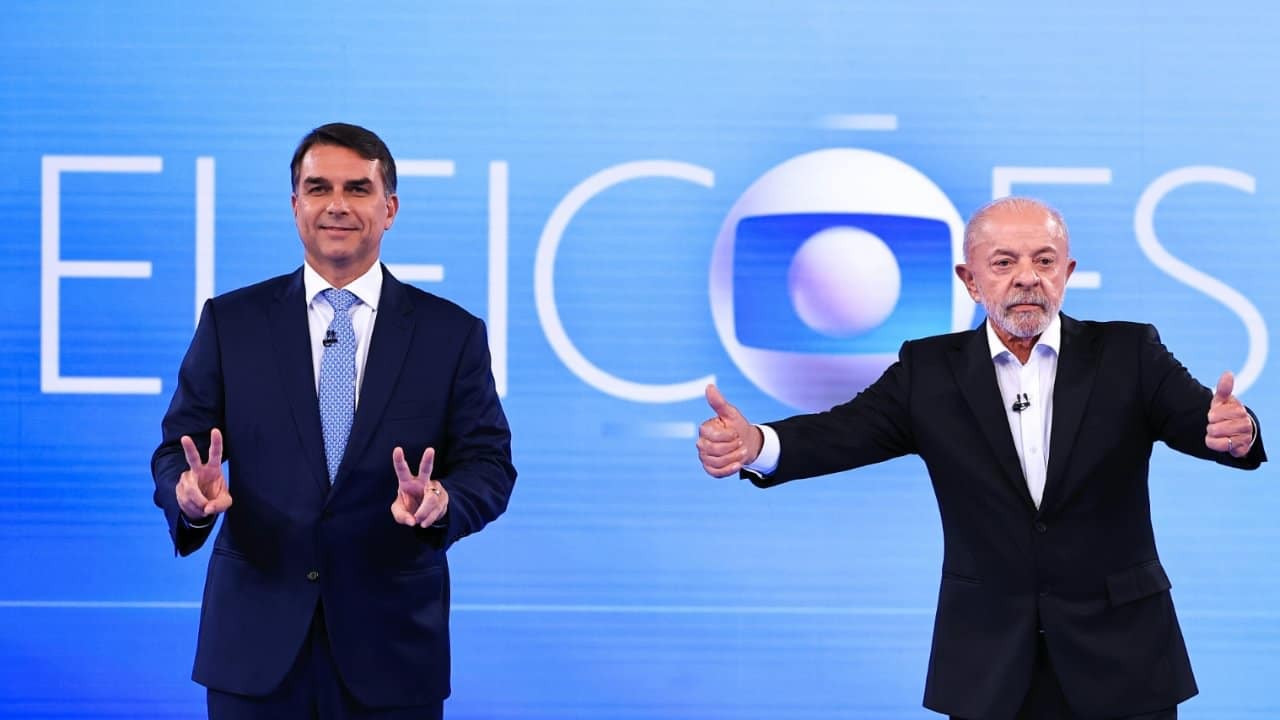 |
President Donald Trump said he stayed out of Brazil’s presidential election because Lula asked him to. Speaking to reporters in Washington on Thursday (29), he said he watched the vote without taking sides. He would not say whether he recognizes the result, and he called the election “a disgrace” that was a “great embarrassment” for Brazilians.
Trump said he let the process run its course and did not endorse any candidate in the final stretch of the campaign. According to Palácio do Planalto interlocutors, Lula called Trump in August, before the first round, and the two leaders mentioned the election only briefly. Brazil’s government had not commented immediately on Trump’s account that the request came from Lula.

Trump also said he will speak with Lula about the vote, and he cited swings in financial markets after the count. The Group of 20 (G20), the bloc of major economies that the United States presides over this year, holds its foreign ministers’ meeting in Atlanta on Friday (30) and Saturday (31). Foreign Minister Mauro Vieira and Secretary of State Marco Rubio will both attend, but Brazil’s foreign ministry told the press there is no formal commitment for a bilateral meeting between them.
Trump’s remarks on Brazil’s ballot count
Trump followed the Brazilian vote closely and chose not to back a candidate in the second round, held on Sunday (25) October 25, 2026. He presented Lula’s request as the reason for his silence, and he never issued a formal endorsement.
After the count ended, however, Trump began to criticize the process. He called the contest “strange” and offered no evidence of irregularities. He also said he allowed Senator Flávio Bolsonaro, who lost the presidential race, to enter the United States, and the US government authorized his entry and a visa for his family.
Flávio Bolsonaro flew by private jet from Argentina to Ecuador and then to the United States, landing on Wednesday (28). Brazil’s Superior Electoral Court (TSE) said the vote ran in full normality and certified Lula’s victory. The Liberal Party (PL) recognized the official result but filed formal requests asking the electoral justice for clarifications.
How trade tariffs split Washington and Brasília
The economic relationship between the Lula and Trump governments reflects opposing views on protectionism and global production chains. The US government relies on higher general tariffs and on protecting its domestic market, applying punitive rates to keep manufacturing chains inside the country.
Check out: Brazil 2026 presidential runoff places Flávio Bolsonaro at 50.02% and Lula at 49.98% in TSE count
Brazil is pursuing a different course, seeking to diversify trade partners and expand exports to emerging markets through coordination inside the BRICS bloc. While Washington pushes bilateral barriers and questions broad multilateral deals, the Planalto Palace argues for balance in trade with Americans and wider commodity contracts with Asia.
The disagreements hit the agribusiness and steel chains most directly:
- Brazilian semi-finished iron and steel products keep facing quota threats and surtaxes in the US market.
- Brazilian meat and grain producers aim to widen their presence in the Global South, reducing exposure to non-tariff barriers from Washington.
- Brazilian industrial policy seeks investment in the energy transition, while Trump’s guidelines favor fossil fuel incentives and heavy traditional manufacturing.
Climate and multilateral deals divide the two governments
Climate policy and decarbonization targets mark the widest gap between the two governments. Trump backs tougher environmental deregulation, cuts to subsidies for renewable energy, and the US withdrawal from commitments such as the Paris Agreement.
Lula has placed Amazon conservation, the shift to clean energy, and the fight against climate change at the center of his foreign policy. Brazil demands that developed nations contribute to preservation funds and that emission targets agreed at global summits be met.
Follow: Lula holds 57.66% to Flávio Bolsonaro's 42.34% as STF extends voting
The US retreat from decision-making bodies on preservation weakens multilateral mechanisms for environmental finance. Brazil, in turn, works to consolidate the leadership of developing countries in raising money to protect tropical biomes, without direct financial cooperation from the White House in forest conservation funds.
Midterm elections on November 3 put Trump’s party under pressure
Trump’s remarks on Brazil come amid strong domestic pressure in US politics. On Tuesday (3), November 3, 2026, American voters will go to the polls to renew seats in the House of Representatives and the Senate.
Electoral projections point to real chances that Democrats win a majority in both chambers of Congress. Facing the risk of losing control of the legislature in the last two years of his term, the Republican has publicly signaled he may condition acceptance of the vote on his own assessment of its transparency.
The US domestic climate tends to intensify nationalist rhetoric and tougher diplomacy. If the Democratic opposition takes the congressional majority, the White House would have less room to pass unilateral fiscal measures and could turn to executive orders on foreign policy.