As Hurricane Milton barrels towards the Gulf Coast of Florida, the state prepares for one of the most severe weather events in recent history. Currently categorized as a powerful Category 4 hurricane, Milton has already prompted widespread evacuations and severe weather warnings across multiple counties, including Tampa, Fort Myers, and Orlando. The storm, packing winds near 155 mph, threatens to unleash devastating storm surges, catastrophic flooding, and life-threatening winds across the region.
The Path of Destruction
Hurricane Milton has intensified over the past few days, transitioning from a Category 3 to a strong Category 4 storm as it draws closer to Florida. Forecasts indicate that it will make landfall late Wednesday, bringing with it severe weather conditions. Florida is no stranger to hurricanes, having already experienced the wrath of storms like Hurricane Helene earlier this year. However, Milton’s magnitude and the areas it is expected to impact make it particularly dangerous.
Residents in coastal cities such as Tampa and Fort Myers have been urged to evacuate or seek shelter immediately, with officials warning of potential storm surges as high as 15 feet in some areas. The National Hurricane Center has emphasized that these surges, coupled with torrential rain, could lead to catastrophic flooding, especially in low-lying regions.
Preparations Underway
Ahead of the storm, Florida’s emergency services have been working around the clock to mitigate the impact. Tampa General Hospital, the only Level I trauma center in the region, has erected a 10-foot AquaFence around its perimeter to protect the facility from storm surges. Essential infrastructure like hospitals and emergency shelters are being fortified to ensure they remain operational during and after the hurricane.
Thousands of residents have already left their homes, with evacuation orders in effect for dozens of counties. Highways have seen a surge of traffic as people rush to leave the danger zones, while airlines have canceled flights in and out of the affected areas. Despite these precautions, concerns remain about those choosing to stay behind, with local authorities stressing the importance of heeding evacuation orders.
Impact on Infrastructure and Utilities
As with any major hurricane, power outages are a significant concern. Utility companies have deployed crews to prepare for the inevitable damage to the electrical grid, with projections indicating that millions of people could lose power as Milton makes landfall. In previous storms, restoring electricity has taken days or even weeks, depending on the severity of the damage.
In addition to power outages, transportation has already been severely affected. Major roads, including the iconic Sunshine Skyway Bridge in Tampa, have been closed as high winds make travel increasingly dangerous. Florida’s ports are also on high alert, with many closing operations as the storm approaches, disrupting not only local traffic but also commercial shipping.
Tornado Threats and Flash Floods
Beyond the storm surge and high winds, Milton has already sparked several tornado warnings in Florida. Tornadoes associated with hurricanes can form quickly and with little warning, adding another layer of danger for residents. Areas like Naples, Pahokee, and Lakeport have experienced tornado activity, leading to additional evacuations and emergency responses.
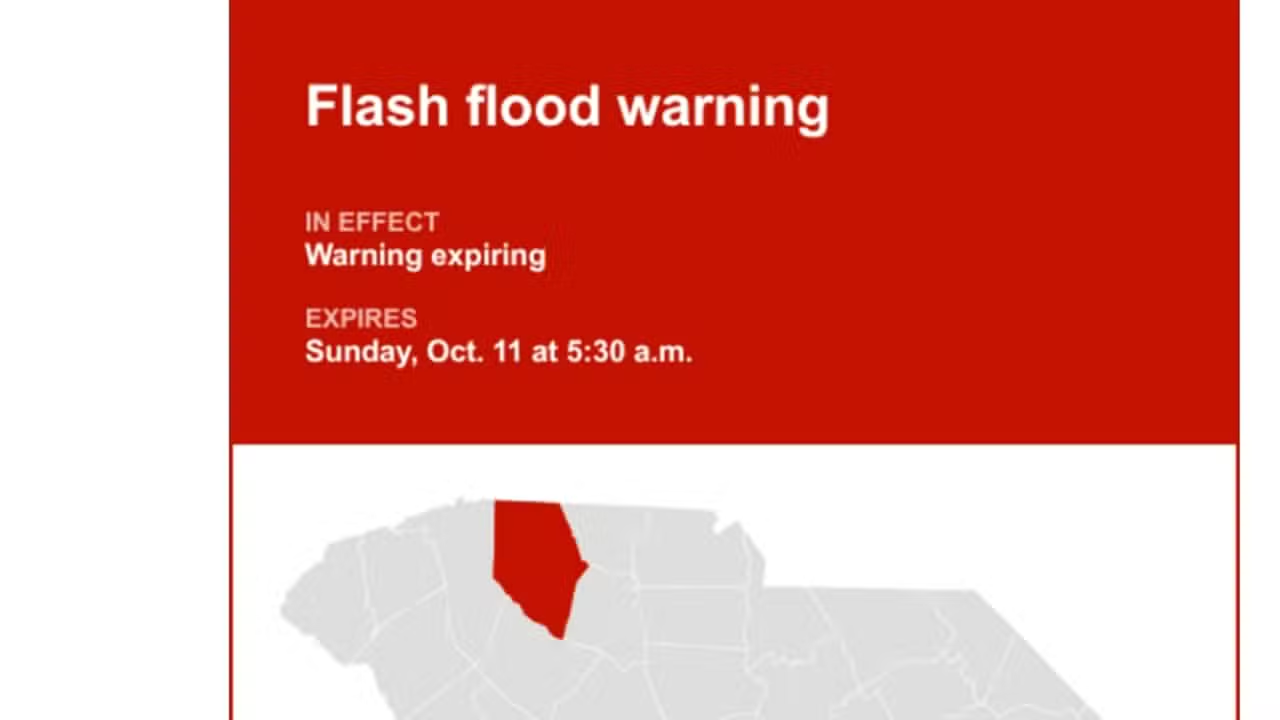
Flash floods are also a growing concern, with warnings issued across much of the state’s west coast. Heavy rains, compounded by already saturated ground from previous storms, are expected to cause widespread flooding. In some areas, flash flood emergencies have already been declared, as rivers and streams overflow their banks, threatening homes and businesses.
The Road Ahead: What to Expect
As Hurricane Milton approaches landfall, conditions in Florida will continue to deteriorate. Experts predict that the storm’s impact will be felt well beyond the immediate coastal regions, with heavy rains, strong winds, and flooding extending far inland. Areas as far north as Orlando are preparing for possible hurricane-force winds and tornadoes, while coastal communities brace for the full force of the storm.
Emergency services are preparing for search and rescue operations in the aftermath, with the potential for widespread damage and displacement. Recovery efforts will likely take weeks, if not months, depending on the scale of the destruction.
Timeline of Hurricane Milton
- October 5, 2024: Milton is first classified as a Category 1 hurricane as it moves across the Caribbean.
- October 7, 2024: The storm strengthens to a Category 3 hurricane, prompting early warnings in Florida.
- October 9, 2024: Milton becomes a Category 4 storm, nearing Florida’s Gulf Coast. Evacuation orders are issued across 35 counties.
- Late October 9, 2024: Expected landfall near Tampa, with winds of up to 155 mph.
Key Precautions and Recommendations
Residents in the path of Hurricane Milton are advised to:
- Evacuate immediately if in a mandatory evacuation zone.
- Stock up on essential supplies, including food, water, and medications, for at least three days.
- Ensure that homes are secured, with windows boarded up and outdoor furniture stored away.
- Follow local authorities for the latest updates and advisories.
The Aftermath: Preparing for Recovery
Once Hurricane Milton has passed, the state will face the monumental task of recovery. Damage assessments will begin immediately, with both local and federal agencies coordinating relief efforts. The Federal Emergency Management Agency (FEMA) is expected to play a significant role in providing financial aid and resources to those affected.
However, the recovery process is likely to be long and arduous. Given the severity of the storm, it could take weeks to restore power and basic services to some areas. Moreover, the economic impact on industries like tourism, agriculture, and shipping could be felt for months.
While Florida has endured many hurricanes over the years, the intensity of Hurricane Milton serves as a stark reminder of the increasing frequency and strength of these storms, possibly exacerbated by climate change. As the state braces for the immediate impact, the long-term consequences of this storm will likely be studied and discussed for years to come.
Hurricane Milton is a powerful and dangerous storm that poses a serious threat to Florida. With its impending landfall, residents are urged to take every precaution to protect their lives and property. The storm’s destructive potential—ranging from storm surges to tornadoes—requires swift action and cooperation from all affected communities.
Authorities are working tirelessly to ensure that emergency services are prepared for the worst, but the cooperation of residents is critical in minimizing the loss of life. As the storm moves inland, its full impact will become clearer, but one thing is certain: Florida is facing a major weather disaster that will leave a lasting mark on the state.
Hurricane Milton, Category 4 hurricane, Florida landfall, storm surge, tornado warnings, evacuation orders, Tampa, Fort Myers, flash floods, power outages, Hurricane Milton landfall Florida, Florida hurricane evacuation orders, Tampa hurricane preparations, power outages during Hurricane Milton,