Trump unleashes tariffs: Dow drops 650 points as Canada, Mexico, and China face new levies Por Luís Henrique Costa
8 min de leitura
 |
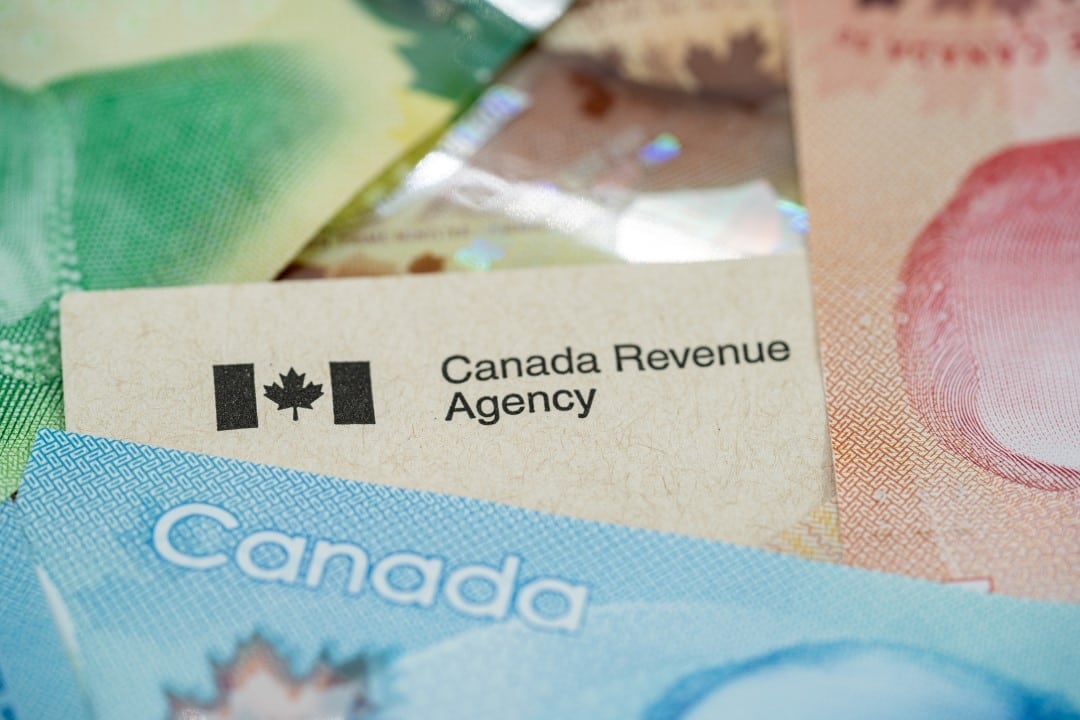
A seismic shift in global trade erupted on Monday, March 3, as President Donald Trump confirmed that steep tariffs on Canada, Mexico, and China would take effect at midnight, sending U.S. financial markets into a tailspin. The Dow Jones Industrial Average plummeted 650 points, closing at 43,191, while the S&P 500 and Nasdaq Composite fell 1.76% and 2.64%, respectively, marking the S&P’s worst single-day drop of the year. Speaking at a White House press conference, Trump announced 25% tariffs on goods from Canada and Mexico, alongside a hike in Chinese import duties from 10% to 20%, citing unmet demands to curb fentanyl trafficking. The move, affecting over $1.4 trillion in annual imports, fulfills a cornerstone of Trump’s economic agenda but has sparked fears of inflation, retaliation, and economic instability. Investors, already jittery from a slowing manufacturing sector, braced for impact as the VIX, Wall Street’s fear gauge, soared to its highest level in 2025. The tariffs, paired with plans for reciprocal levies by April, signal a bold escalation in Trump’s strategy to reshape America’s trade landscape.
The announcement came with little room for negotiation, as Trump declared Canada and Mexico had “no room left” to avoid the levies, urging them to shift production to the U.S. to dodge the costs. Commerce Secretary Howard Lutnick, speaking alongside the president, highlighted a $100 billion investment by Taiwanese chipmaker TSMC as a model for tariff avoidance, suggesting global firms follow suit. Meanwhile, the hike in Chinese tariffs doubles down on earlier measures, with Trump accusing Beijing of failing to address the flow of illegal drugs across borders. The day’s market rout erased gains from the post-election “Trump bump,” with analysts warning of prolonged volatility as businesses and consumers face higher prices.
Siga o Mix Vale no Google e veja nossas notícias primeiro
Adding to the tension, Trump signed an executive order targeting “external products,” hinting at agricultural tariffs set for April 2, aimed at boosting U.S. farmers. The sweeping policy changes, dwarfing the $380 billion in tariffs from his first term, have drawn mixed reactions—optimism from some domestic producers, dread from importers and economists. As shipping containers stack up at ports and oil prices dip, the immediate fallout is clear: America’s economy is entering uncharted territory.
Enhance client conversations by integrating trusted financial news from #DowJonesNewswires into your AI tool for more informed discussions. Minimize misinformation and deliver client-ready insights with Dow Jones GenAI Feed.
— Dow Jones (@DowJones) March 3, 2025
Learn more: https://t.co/HwMQpEBLSv… pic.twitter.com/WrfWZMREeC
Markets in freefall: tariffs trigger steep declines
Stocks took a nosedive as Trump’s tariff confirmation rattled Wall Street. The Dow’s 650-point plunge capped a volatile day, with losses peaking at nearly 900 points before a late recovery softened the blow. The Nasdaq’s 2.64% drop pushed it 6.5% below its January 20 level, reflecting broader unease since Trump’s inauguration.
Investors cited uncertainty as a key driver, with the CNN Fear and Greed Index slipping into “extreme fear” territory. Major tech stocks like Nvidia, down 8.7%, dragged markets lower, while the 10-year Treasury yield fell to 4.16%, signaling concerns over growth.
Global trade under pressure: Canada, Mexico, and China targeted
The tariffs hit America’s top trading partners hard. Canada and Mexico, facing 25% duties on $900 billion in annual exports, now confront a stark choice: relocate production or absorb higher costs. China’s new 20% rate adds $500 billion to its tariff burden, intensifying a trade war that began in Trump’s first term.
Economic ripple effects: winners and losers emerge
The tariffs promise a complex mix of outcomes for the U.S. economy. Analysts from Goldman Sachs predict a boost for domestic manufacturers as imported goods become pricier, potentially spurring demand for American-made products. Companies like TSMC, investing heavily in U.S. plants, stand to benefit by sidestepping the levies entirely. Trump underscored this shift, urging Canada and Mexico to “build their car plants” stateside to avoid the 25% hit, a move that could create jobs in key industrial states.
However, the downsides loom large. Higher import costs threaten to raise prices for consumers, particularly on everyday items like groceries and electronics. Domestic producers reliant on Canadian or Mexican raw materials, such as automakers, face increased production expenses, potentially offsetting any gains. Retaliation looms as well—Canada’s Energy Minister Jonathan Wilkinson warned of economic pain on both sides of the border, predicting hikes in U.S. gasoline and electricity prices if energy imports take a hit.
Bitcoin slumped 8.6% to $85,600, erasing weekend gains tied to Trump’s crypto reserve announcement, while European defense stocks soared amid fears of reduced U.S. support for Ukraine. The manufacturing sector, already showing signs of strain per the latest Institute for Supply Management survey, saw activity slow despite remaining in expansion, with tariff fears dominating responses.
Tariff timeline: key dates to watch
Trump’s trade overhaul unfolds across multiple stages. Here’s the schedule of events:
- March 4: 25% tariffs on Canada and Mexico and 20% on China take effect at midnight.
- April 2: Reciprocal tariffs on “external products,” including agricultural goods, begin, targeting nations with duties on U.S. exports.
- April 1: White House economic study on trade imbalances due, potentially shaping further tariff hikes.
These deadlines anchor Trump’s aggressive push to realign global trade in America’s favor.
Voices from the ground: industry reactions
Businesses scrambled to adapt as the tariff reality sank in. Importers of Canadian lumber and Mexican auto parts voiced concerns over rising costs, with some predicting price hikes by mid-March. U.S. farmers, however, saw a silver lining—Trump’s April 2 pledge to shield agricultural markets sparked cautious optimism among Midwest producers facing years of export declines.
Analysts like Jason Draho from UBS Global Wealth Management warned of short-term volatility but maintained a positive medium-term outlook, expecting growth-focused policies to emerge. Gina Bolvin of Bolvin Wealth Management echoed this, calling herself a “bull” despite forecasting modest gains for 2025.
Tariffs unpacked: what they mean for consumers
The immediate fallout of Trump’s tariffs will hit American wallets. Imported goods from Canada, Mexico, and China—ranging from oil to avocados to electronics—face steep price increases, with estimates suggesting a 5-10% hike on affected items within weeks. Domestic producers may see a surge in demand, but only if they can scale up quickly.
Retaliation risks amplify the stakes. China, which imported $29.25 billion in U.S. agricultural goods in 2024, is poised to target American farmers, while Canada and Mexico could hit back with duties on U.S. exports like machinery and energy. The Goldman Sachs note highlighted a dual threat: higher costs for U.S. manufacturers and lost export markets, both squeezing economic output.
Oil markets felt the strain too, with WTI crude dropping 2% to its lowest since December after OPEC+ signaled increased production in April, compounding tariff-related uncertainty.
Facts behind the tariffs: key numbers and insights
Here’s what stands out about Trump’s tariff blitz:
- $1.4 trillion in annual imports now face duties, tripling the $380 billion from his first term.
- The S&P 500’s 1.76% drop was its steepest of 2025, per market data.
- Canada exports $421 billion to the U.S. yearly, Mexico $483 billion—25% tariffs hit nearly all of it.
- China’s fentanyl seizures at the U.S. border fell 50.5% in January 2025, yet Trump demands more action.
- TSMC’s $100 billion U.S. investment showcases tariff-dodging potential.
These figures frame a policy shaking global trade to its core.
Looking ahead: navigating an uncertain future
As midnight approaches, businesses brace for a transformed economic landscape. Importers rush to clear shipments, while manufacturers weigh relocation costs against tariff burdens. The April 2 reciprocal tariffs loom as a second wave, with Trump’s Truth Social post rallying farmers to ramp up domestic production—a move that could reshape agricultural markets if foreign retaliation doesn’t derail it.
Volatility is set to persist, with Draho predicting a rocky road until Trump’s growth agenda clarifies. The manufacturing slowdown, evidenced by the Institute for Supply Management’s latest dip, hints at broader challenges ahead, yet optimists like Bolvin see resilience in the U.S. economy’s fundamentals. For now, the world watches as Trump’s tariff gamble unfolds.