Polar Vortex Collapse Threatens US and Canada with Extreme Cold in
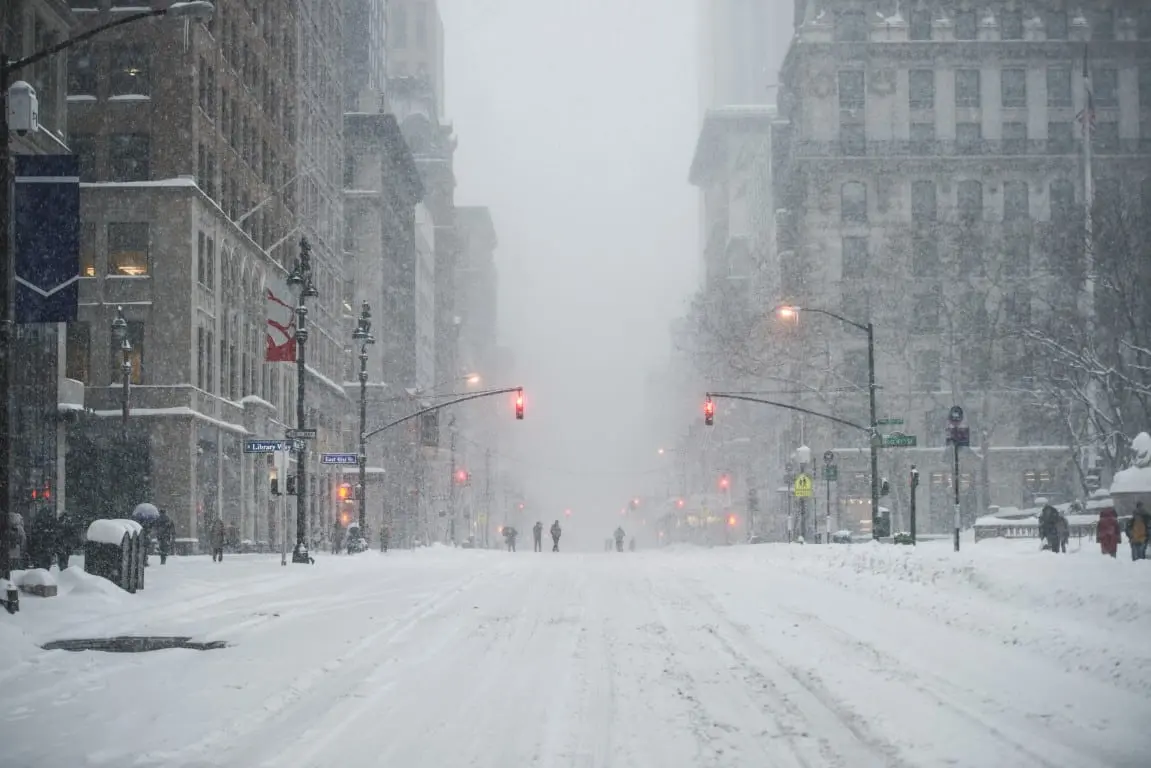
A massive weather event is set to strike North America in mid-March 2025, bringing freezing temperatures, intense blizzards, and biting winds that will test the infrastructure and resilience of millions across the United States and Canada. This marks the second polar vortex collapse of the year, a phenomenon that already defined the 2025 winter with a devastating cold snap in February, impacting over 150 million people and paralyzing entire regions. Driven by a Sudden Stratospheric Warming, this looming collapse is expected to breach the natural barrier of the polar jet stream, unleashing Arctic air masses southward across the continent. Unlike the earlier event, this one could stun with its intensity, even during a transitional season when milder weather is typically anticipated. Cities like Chicago, Minneapolis, Toronto, and Winnipeg are bracing for lows reaching as far as -40°C, while officials warn of risks to transportation, power outages, and disruptions to daily life. In the US, the Midwest and Northeast, still reeling from February’s chaos, face yet another endurance test. In Canada, provinces like Ontario and Manitoba expect even harsher conditions, with fierce winds amplifying the glacial wind chill. The forecasted severity has already spurred emergency efforts, with governments and residents racing to mitigate the fallout of a winter refusing to relent.
What Drives the Polar Vortex Collapse
The polar vortex is a critical atmospheric structure for the Northern Hemisphere’s climate. Composed of a swirling mass of cold, low-pressure air in the stratosphere, about 30 kilometers above Earth, it encircles the Arctic with winds exceeding 250 km/h. Throughout winter, this natural barrier traps frigid air in polar regions, but abrupt shifts, such as Sudden Stratospheric Warming, can destabilize it, triggering a collapse. When stratospheric temperatures spike by up to 50°C in mere days, the vortex’s winds weaken or reverse direction. This causes the polar jet stream to wobble, allowing Arctic air to spill into mid-latitudes, including central US and southern Canada.
Heightened Preparations Across North America
Facing the looming threat, US cities like Chicago and Minneapolis stockpile road salt and bolster heating systems. In Canada, Toronto distributes emergency kits, while Manitoba issues warnings for rural areas prone to blizzards.
No mesmo tema: Polar vortex collapse set to bring record cold to North America in March
Acting as an atmospheric shield, the polar vortex regulates winter weather by confining cold air around the North Pole. Its stability hinges on the jet stream, which, when undisturbed, prevents icy air masses from invading warmer regions. Disruptions like stratospheric warming, however, upset this balance, unleashing extreme events that affect millions in areas unaccustomed to such low temperatures.
Historical Polar Vortex Events
Cold waves tied to the polar vortex are not new. In 2014, the US Midwest endured a storm that canceled over 5,000 flights and claimed 16 lives. In 2019, tens of millions experienced subzero temperatures in the same region. The 2025 winter, however, stands out with two collapses in quick succession, a rarity over the past decade.
Key Facts About the Polar Vortex
- Located in the stratosphere, about 30 km above Earth.
- Winds can exceed speeds of 250 km/h.
- 2025 collapses: two events recorded by March.
- Typical impact: temperature drops of 10°C to 15°C below seasonal averages.
Most Affected Areas in March 2025
- US Midwest and Northeast: temperatures may plummet to -34°C.
- Ontario and Manitoba in Canada: lows forecast at -42°C.
- US East Coast: blizzards and freezing rain expected.
Predicted Impacts in the US and Canada
Forecasts for mid-March signal a chaotic weather scenario across vast swaths of North America. In the United States, the Midwest, still recovering from February’s collapse, could see temperatures drop to -34°C in cities like Chicago and Minneapolis, paired with 70 km/h winds that will heighten the extreme wind chill. Major airports, such as Minneapolis-Saint Paul, anticipate mass flight delays and cancellations, while interstate highways face closure risks due to snow accumulation. Energy demand is expected to surge, straining power grids already weakened by prior events, with potential blackouts affecting thousands of homes. Coastal areas like New York and Boston brace for heavy precipitation, including up to 30 cm of snow and freezing rain, which could turn streets into ice rinks and halt urban traffic. In Canada, the outlook is equally dire. Provinces like Ontario and Manitoba prepare for temperatures as low as -42°C in Winnipeg, with blizzards blocking rural roads and isolating communities. Toronto, one of the nation’s largest cities, expects lows of -25°C, raising health risks, particularly for the elderly and vulnerable populations. The mix of extreme cold and strong winds will likely overwhelm emergency services, while spiking energy use threatens local grid stability. Along Atlantic coastal areas, Arctic air meeting moisture could spawn prolonged snowstorms, disrupting everything from public transit to essential supply chains.
Authorities in both nations ramp up efforts to tackle the polar vortex collapse. In the US, Midwest cities like Chicago reinforce power lines and distribute blankets to shelters for the unhoused. Minneapolis plans de-icing operations at airports and highways, while Boston activates warming centers to protect the most vulnerable. In Canada, Toronto expands shelter capacity and hands out 50,000 emergency kits to low-income families. Winnipeg stockpiles 300,000 liters of generator fuel, gearing up for possible power failures. These steps underscore the urgency to avoid February’s disruptions, when over 2,300 US flights were canceled and 190,000 people lost power.
February’s collapse exposed vulnerabilities now guiding March preparations. In the US, blackouts left communities in the dark, while in Canada, blizzards cut off rural areas, hampering access to basic services.
Mais sobre o assunto: Polar vortex collapse threatens North America with extreme cold this month
Polar Vortex Curiosities
Under normal conditions, the polar vortex goes unnoticed, locking cold air in the Arctic. Its existence was pinpointed in the 1950s as scientists delved deeper into stratospheric studies. Extreme events like those in 2025 are tracked by satellites and advanced models detecting sudden stratospheric temperature shifts. The link between Arctic warming and the rising frequency of these collapses fascinates researchers exploring whether global climate change amplifies the phenomenon.
Veja Também

Após décadas de mau cheiro, Canadá começa a remover molho de peixe podre de fábrica abandonada

Evento drag com RuPaul no Canadá bate recorde mundial do Guinness
Impacto da política ‘América Primeiro’: viagens de canadenses para os EUA caem drasticamente
- US: Temperatures of -34°C, blizzards up to 30 cm, blackout risks.
- Canada: Lows of -42°C, strong winds, paralyzed transport.
- Duration: Effects could linger for up to two weeks.
The year 2025 has already logged two major polar vortex collapses. February’s first event delivered record cold to the central and eastern US, with heavy snow in cities like Boston and Detroit. March promises a second collapse, forecast for mid-month, with greater reach and intensity. Scientists monitor the stratosphere to predict further events before winter’s end, while officials refine plans based on prior impacts.
In the US, February’s collapse led to over 2,300 flight cancellations and 23,000 delays in a single day. About 190,000 people lost power across seven states, including Maryland and Kansas. In Canada, Alberta faced blizzards piling up to 40 cm of snow, isolating rural communities for days. March forecasts suggest temperature drops 15°C below seasonal norms, affecting an even broader area than the prior event.
The US Midwest, including states like Illinois and Minnesota, is on high alert. Cities like Chicago expect 70 km/h winds and extreme lows. In Canada, Ontario and Quebec mobilize emergency teams, while Manitoba fears rural isolation. The US East Coast, from New York to Washington, braces for heavy precipitation and sharp temperature drops.
Local Preparations
Chicago bolsters its electrical infrastructure post-February blackouts. Minneapolis stockpiles salt and activates snow-clearing crews. Toronto expands shelters, and Manitoba warns of hypothermia risks in rural zones. Michigan schools weigh suspending in-person classes, while Ontario businesses adapt operations.
Saiba mais: Extreme cold hits North America in March with blizzards and winds after polar collapse
In 2014, a polar vortex collapse canceled over 5,000 US flights and left 16 dead in the Midwest. In 2019, subzero temperatures hit tens of millions in the region. February 2025 saw 30 cm of snow in Boston and stalled Detroit traffic. March projections point to up to 40 cm of snow in some areas, with winds magnifying effects.
Between 2014 and 2021, at least five significant polar vortex collapses struck North America. The 2019 event was the harshest until then, with Chicago dipping to -40°C. The 2025 winter, with two collapses in a row, is already deemed one of the decade’s most extreme.
Global Climate Influence
Arctic warming, narrowing the thermal gap between the pole and mid-latitudes, may be weakening the polar vortex. Observed since 2010, this trend hints at rising collapse frequency. Researchers track the Arctic with cutting-edge tools to unravel these ties.
Power grids in the US and Canada risk buckling under soaring heating demand. February saw 190,000 homes lose power, a scenario March could repeat. Transport, including trains and planes, faces mass shutdowns, impacting millions of travelers.