One UI 7 brings Android 15 to 46 Galaxy phones and tablets in 2025: explore AI upgrades and 5G enhancements
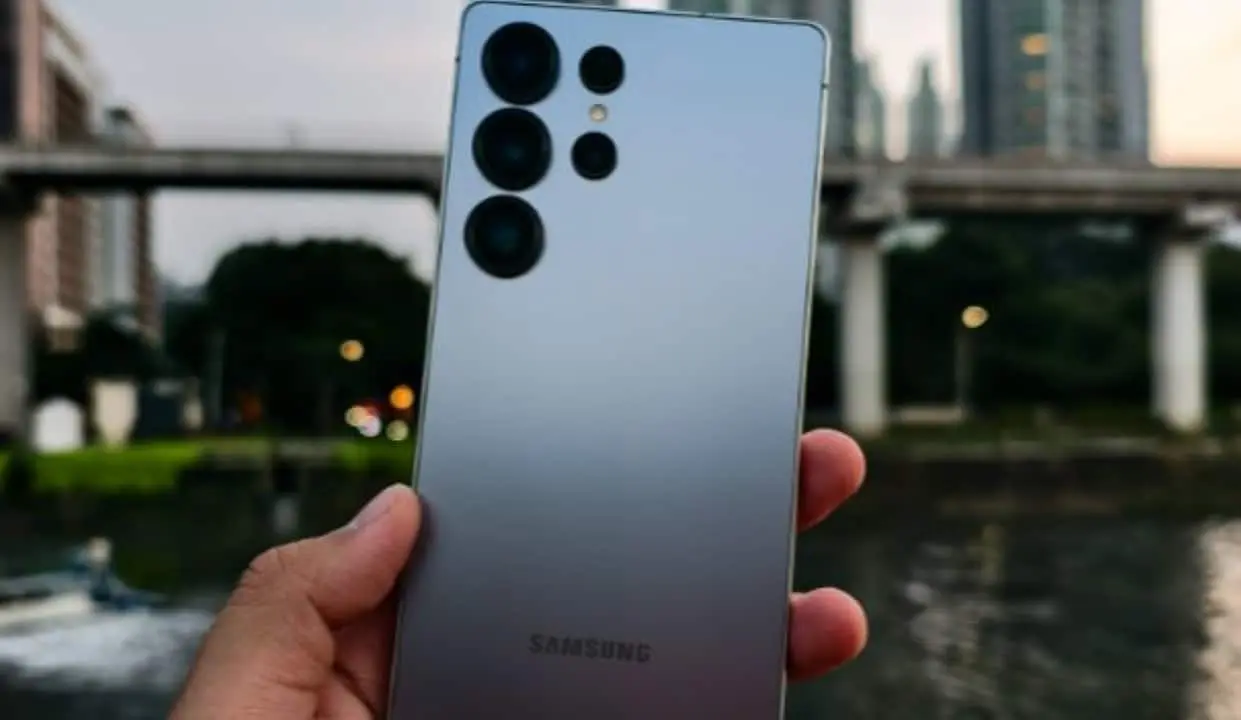
Samsung announced in April 2025 the expansion of One UI 7, its interface based on Android 15, to 46 devices in the Galaxy lineup, covering smartphones, tablets, and foldables. The update, which began rolling out in 2024, reaches from the newly launched Galaxy S25 series to mid-range models like the Galaxy A54, delivering advanced artificial intelligence, a refreshed design, and optimized 5G connectivity. With this move, the South Korean tech giant strengthens its commitment to providing a unified and accessible experience to millions of users worldwide, including Brazil, a key market for the brand. The rollout is phased, ensuring devices across various categories receive the new features throughout the year.
Artificial intelligence stands out as the centerpiece of One UI 7, with assistants that learn user habits and suggest practical actions, such as organizing schedules or tweaking power settings for efficiency. The design has been revamped with streamlined icons and smooth animations, making navigation more intuitive on both smartphones and tablets. Connectivity also sees significant upgrades, with reduced latency and improved stability on 5G networks, which are becoming the standard in many regions. Tablets like the Galaxy Tab S9 gain enhanced multitasking capabilities, while foldables such as the Z Fold 6 leverage flexible displays with greater efficiency.
Samsung’s strategy balances innovation with accessibility, catering to users of both premium and mid-range devices. In Brazil, where models like the Galaxy A54 and M34 are widely popular, the update promises to elevate the user experience with features previously exclusive to flagships. The company estimates that over 100 million devices will be updated by the end of 2025, positioning One UI 7 as one of the most extensive software rollouts in its history.
Initial rollout milestones
The deployment of One UI 7 kicked off in the second half of 2024, starting with premium devices like the Galaxy S24 series and foldables Z Fold 6 and Z Flip 6. In 2025, the update extends to a broader range, encompassing the S, Z, A, M, and Tab series. The Galaxy S25 lineup, launched in January 2025, came pre-installed with the new interface, harnessing next-generation processors to deliver seamless performance in tasks like video editing and social media browsing.
Devices such as the Galaxy S24, S24+, and S24 Ultra received the update in September 2024, showcasing noticeable improvements in battery life and photography. The camera app now uses AI to make real-time adjustments, such as removing unwanted objects or enhancing lighting, producing near-professional results. Users report that these tools make daily tasks more efficient, particularly for work or entertainment purposes.
Foldable devices were also prioritized. The Galaxy Z Fold 6 and Z Flip 6 received tailored enhancements to maximize flexible displays, enabling users to run up to three apps simultaneously with simplified navigation. This functionality suits professionals juggling spreadsheets, emails, and video calls, as well as enthusiasts enjoying gaming and streaming in unique formats. Early feedback from tech communities praises the smoothness and versatility of the updated devices.
- Initial devices updated:
- Galaxy S series: S25, S25+, S25 Ultra, S24, S24+, S24 Ultra, S23, S23+, S23 Ultra.
- Galaxy Z series: Z Fold 6, Z Fold 5, Z Flip 6, Z Flip 5.
- Galaxy Tab series: Tab S9, S9+, S9 Ultra, Tab S8, S8+.
Artificial intelligence redefines usability
One UI 7 takes artificial intelligence to new heights, with assistants that analyze user patterns and provide tailored suggestions. For instance, the system might recommend shortcuts for replying to messages or adjusting display settings based on the time of day, minimizing manual tweaks. On devices like the Galaxy S25 Ultra, AI optimizes processor performance, balancing power and efficiency for tasks ranging from gaming to photo editing.
Photography benefits significantly. The native camera app now removes background noise in videos and corrects portrait imperfections automatically. These tools, once limited to paid software, are available even on mid-range devices like the Galaxy A54, broadening access to high-quality features. Tests show battery life can improve by up to 15% during heavy use, such as extended streaming, thanks to intelligent power management.
Customization options have also expanded. Users can personalize the interface with detailed themes and widgets, creating a unique experience. On tablets like the Galaxy Tab S9, AI enhances multitasking, allowing multiple floating windows without performance dips. These advancements reflect Samsung’s focus on making devices more intuitive and aligned with modern demands.
Enhanced security for a digital age
Safeguarding personal data is a core focus of One UI 7. The interface introduces granular permission controls, letting users restrict app access to features like location, camera, or microphone. For example, location access can be limited to when an app is actively in use, reducing risks of unwanted tracking. This approach resonates in a world where privacy concerns are increasingly prominent.
Samsung Knox, the company’s security platform, has been upgraded with real-time monitoring, blocking suspicious activity before it causes harm. Paired with Android 15, the system provides robust defenses against malware, critical for users storing sensitive data like financial information. Premium devices, such as the Galaxy S25, include additional protective layers, ensuring confidence in online transactions.
Compatible devices will receive security updates for up to five years, depending on the model. This policy extends device longevity, particularly in markets like Brazil, where frequent upgrades are less common. The strategy bolsters Samsung’s credibility in an increasingly complex digital landscape, serving both individual and corporate users.
Saiba mais: Samsung updates 50 Galaxy models with One UI 7 and AI tools by June
Detailed rollout schedule
The distribution of One UI 7 follows a structured timeline to ensure stability and quality. The process began in 2024 and continues through 2025, covering various device categories. Below are the key phases:
- September to October 2024: Galaxy S24, S24+, S24 Ultra, Z Fold 6, Z Flip 6.
- January to March 2025: Galaxy S23, S23+, S23 Ultra, S22, S22+, S22 Ultra, Tab S9, Tab S8.
- April to June 2025: Galaxy A74, A54, A34, M54, M34, and other mid-range models.
- July to December 2025: Final adjustments for remaining and regional devices.
Users can check availability in software settings, with unlocked models typically prioritized. Samsung advises keeping devices connected to stable Wi-Fi and charged above 50% during updates. In Brazil, a significant market, the company aims to minimize delays, though regional variations may affect the pace.
Extended support for older models
While recent devices take precedence, Samsung maintains partial support for older models. The Galaxy S21 series, launched in 2021, won’t receive the full One UI 7 experience but remains eligible for security patches until 2026 in select regions. This ensures older devices stay functional, even without the latest features.
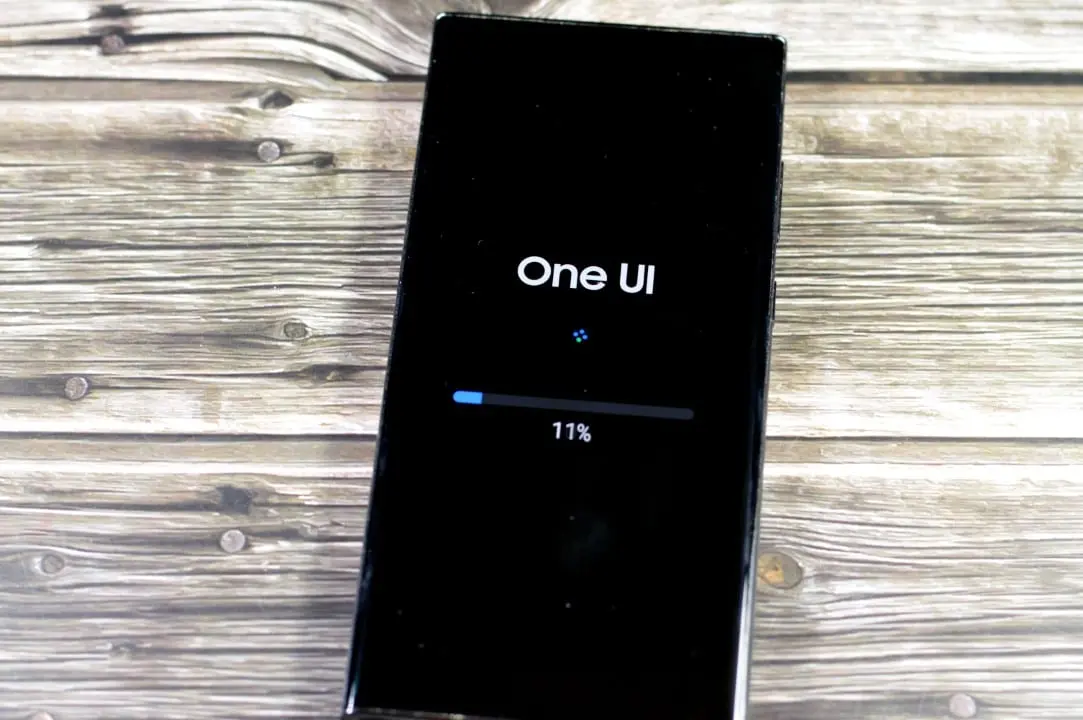
Mid-range models like the Galaxy A53 also benefit. In Brazil, where entry-level and mid-range devices dominate sales, extended support is vital. Including models like the Galaxy M34 in the 2025 lineup underscores Samsung’s commitment to a broad user base, particularly in emerging markets.
User feedback shapes this strategy. Online forums in regions like Europe and Asia show demand for greater mid-range support, prompting Samsung to expand its update list. Engaging with the community helps align the company’s priorities with market expectations.
5G connectivity optimized for tomorrow
One UI 7 places 5G connectivity at its core. The interface minimizes latency on fifth-generation networks, ensuring fast data transfers and stable video calls. In urban areas with established 5G coverage, devices like the Galaxy S25 deliver consistent performance, even during peak usage.
In rural regions, where 5G infrastructure is still developing, One UI 7 smooths transitions between 5G and 4G, preventing connection drops. This flexibility is crucial in markets like Brazil, where 5G availability varies by state. Mid-range models, such as the Galaxy A54, show measurable speed improvements, making the technology more accessible.
- Connectivity features:
- Reduced 5G latency for calls and streaming.
- Seamless 5G-to-4G transitions in unstable coverage areas.
- Tools to manage data usage, ideal for limited plans.
Advancements for Galaxy tablets
Tablets in the Galaxy Tab S9 and S8 series gain significant upgrades with One UI 7. The interface optimizes tasks like video editing, project management, and streaming, aligning the tablet experience with that of smartphones. Multitasking features allow multiple floating windows, perfect for students and professionals.
Mais sobre o assunto: Samsung unveils Galaxy devices to receive One UI 7 with Android 15 in 2025
Veja Também



Compatibility with accessories, like the S Pen, has improved. On the Galaxy Tab S9, stylus latency is reduced, enhancing precision for note-taking and sketching. Battery life also benefits, with optimizations extending usage time by up to 20% during light tasks like web browsing or presentations.
Integration with the Galaxy ecosystem adds versatility. Users can sync notes between the Tab S9 and smartphones like the Galaxy S25, streamlining workflows. These enhancements position tablets as viable laptop alternatives for lightweight productivity, appealing to a wide audience.
Foldables take center stage
Foldable devices, including the Galaxy Z Fold 6 and Z Flip 6, receive tailored One UI 7 enhancements. The interface maximizes flexible displays, supporting advanced multitasking with up to three apps running simultaneously. This suits users switching between tasks, such as replying to emails while watching videos.
Navigation is streamlined with intuitive gestures, simplifying screen splitting. For entertainment, the experience is smooth, with no lag, even in unique formats. One UI 7 also lowers power consumption on foldable displays, extending hardware durability, a key factor for these devices.
Users report improved efficiency in extended tasks, like document editing or gaming, particularly on the Z Fold 6. These upgrades solidify foldables as practical options for both work and leisure, expanding their appeal in a growing market segment.
Impact on the Galaxy ecosystem
One UI 7 strengthens integration across Galaxy devices, enabling seamless transitions between smartphones, tablets, smartwatches, and earbuds. For example, a call started on the Galaxy S25 can be transferred to the Galaxy Tab S9 without interruption. Native apps like Samsung Notes sync data in real time, enhancing productivity.
No mesmo tema: Samsung rolls out One UI 7 with Android 15 to 46 Galaxy devices in 2025: check models and features
Wearable integration has also expanded. The Galaxy Watch now displays detailed One UI 7 notifications, allowing quick replies without touching the phone. This functionality boosts ecosystem convenience, encouraging brand loyalty. Samsung’s approach mirrors closed ecosystems but offers greater price diversity, appealing to varied consumers.
In Brazil, where Galaxy users are numerous, ecosystem integration is a competitive edge. Professionals using phones and tablets for work report higher efficiency, while casual users value the ease of data sharing. This strategy reinforces Samsung’s market position.
- Ecosystem benefits:
- Real-time data syncing across devices.
- Fluid call and task transfers.
- Enhanced wearable support, like the Galaxy Watch.
Mid-range models in focus
Including mid-range devices like the Galaxy A54 and M34 broadens One UI 7’s reach. Popular in Brazil, these models gain flagship features, such as AI-driven photo editing and smart battery optimizations. This democratizes innovation, attracting users seeking quality without high costs.
The Galaxy A54, launched in 2023, excels in versatility. With One UI 7, it matches premium devices in tasks like browsing and social media. Its AI-enhanced camera captures sharp images in low light, a standout in its price range.
The M series, focused on long battery life, also benefits. The Galaxy M34 pairs One UI 7’s power-saving features with its robust battery, ideal for users needing extended usage. These advancements strengthen Samsung’s edge in affordable market segments.
Key One UI 7 features
One UI 7 introduces transformative features, blending practicality and innovation. Below are some highlights:
- Revamped design with modern icons and fluid animations.
- AI-driven personalization and task automation.
- Up to 15% better battery life with smart optimizations.
- Enhanced camera with real-time editing and noise reduction.
- Upgraded Samsung Knox for real-time security.
These features, combined with 5G advancements, position Galaxy devices as future-ready, meeting the needs of an evolving market. Samsung projects millions of users, particularly in Brazil, will benefit throughout 2025.
Samsung’s global strategy
Samsung solidifies its Android leadership with up to four years of system updates and five years of security patches for premium models. This rivals brands known for longevity, enhancing Galaxy device value over time.
Brazil, with its large user base, is a priority market. Samsung tailors its approach to local regulations, like privacy and connectivity standards, ensuring compliance and performance. Integration with third-party services, such as voice assistants, adds versatility, enabling complex tasks directly on devices.
Large-scale rollouts face challenges, like hardware fragmentation in mid-range models. Samsung invests in robust servers to streamline updates, but regional differences may cause delays. Still, the company remains committed to reaching a wide audience with consistent updates.
Mais sobre o assunto: Samsung unveils which Galaxy devices get One UI 7 with Android 15 in 2025
Preparing for emerging trends
One UI 7 equips Galaxy devices for future technologies, like augmented reality and cloud computing. The interface supports dynamic refresh rates up to 120 Hz, optimizing power usage on compatible displays. These tweaks are vital for upcoming applications, such as immersive gaming and interactive experiences.
Samsung plans to advance AI in future iterations. Internal tests suggest One UI 8, expected in 2026, will enhance on-device processing, reducing reliance on online connections. This forward-thinking approach keeps Galaxy devices aligned with market trends.
The update marks a significant step in the Galaxy ecosystem’s evolution, reinforcing Samsung’s competitive stance. With 46 devices confirmed, One UI 7 caters to tech enthusiasts and casual users alike, delivering a blend of performance, security, and practicality.