The Subaru Outback 2026, unveiled in April 2025 at the New York International Auto Show, marks the seventh generation of one of the Japanese brand’s most iconic SUVs, now featuring a more rugged design aligned with the midsize SUV segment. With a revamped look, the model moves away from its station wagon silhouette, adopting boxy lines, a larger front grille, and a more imposing stance, measuring 192.3 inches in length and 68.3 inches in height. Equipped with standard symmetrical all-wheel drive (AWD) and 8.7 inches of ground clearance, the Outback retains its adventurous spirit, enhanced by the Wilderness variant, which includes all-terrain tires and exclusive details. Available with 2.5-liter (180 hp) or 2.4-liter turbo (260 hp) boxer engines, the vehicle blends efficiency and power, while a new 12.1-inch multimedia system and technologies like EyeSight with hands-free driving assistance elevate comfort and safety. With an estimated starting price of $30,000 in Brazil, the model will hit dealerships in early 2026, poised to compete with the Jeep Grand Cherokee and Hyundai Santa Fe.
The new generation brings significant interior upgrades, with more space for passengers and cargo, now offering 35 cubic feet in the cargo area, a 2-cubic-foot increase over the previous model. The cabin features recycled materials, such as a headliner made from plastic bottles, and a streamlined dashboard with physical climate controls, addressing complaints about sluggish digital systems. The Outback 2026 will be offered in six trims: Premium, Limited, Touring, Limited XT, Touring XT, and Wilderness, with 19-inch wheels available for the first time.
Subaru has bolstered safety with the latest EyeSight version, including automatic emergency braking and lane-keeping assist at speeds up to 85 mph. The AWD system, paired with an optimized X-MODE, ensures performance on challenging terrains, while a towing capacity of up to 3,500 pounds (1,587 kg) with the turbo engine meets the needs of adventurers. With 97% of Outbacks sold in the last 10 years still on the road, the model’s durability is a standout, and the brand aims to solidify its leadership in Brazil’s midsize SUV segment, where it has sold over 50,000 units since 1995.
- Key features of the Outback 2026:
- SUV design with boxy lines and a larger grille.
- Boxer engines: 2.5L (180 hp) or 2.4L turbo (260 hp).
- 12.1-inch multimedia system with wireless Android Auto and Apple CarPlay.
- Expanded cargo capacity to 35 cubic feet.
Revamped design for adventures
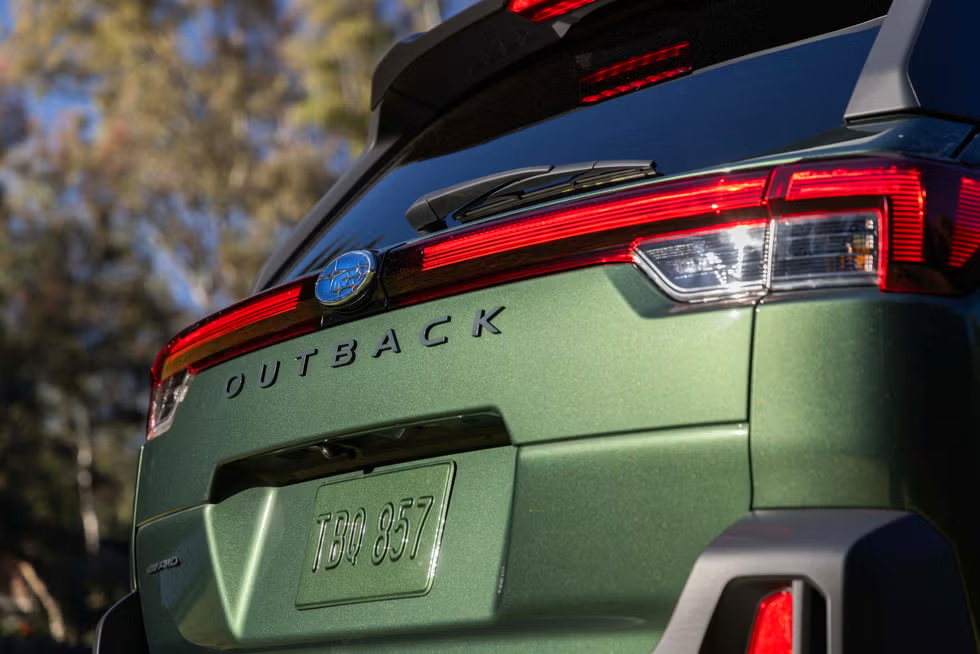
The Subaru Outback 2026 showcases a design that breaks away from the wagon aesthetics of past generations, embracing a silhouette closer to traditional SUVs. The front features a hexagonal grille with horizontal slats, flanked by split LED headlights for superior visibility. The rear, more upright, includes angular taillights and the word “Subaru” stamped on the bumper, a first for the model that reinforces brand identity. The Wilderness variant, geared for off-road use, adds copper accents, extra underbody protection, and 17-inch Yokohama Geolandar A/T tires.
The Outback’s dimensions have slightly increased, with 1.6 inches added to the length (192.3 inches), 0.5 inches to the width (73 inches), and 2 inches to the height (68.3 inches), maintaining a 108.1-inch wheelbase. The taller, flatter roofline boosts interior space, especially for rear passengers, and simplifies transporting long cargo. The roof rack’s static load capacity rises to 800 pounds, up from 700 pounds, making it ideal for camping tents.
The model retains 8.7 inches of ground clearance, except in the Wilderness, which offers 9.5 inches, rivaling off-road SUVs like the Honda Passport. The Wilderness’s signature blue paint, seen in teasers, enhances its rugged appeal, while colors like Crystal Black Silica and Autumn Green Metallic offer customization options. Reduced plastic cladding on the body adds a refined touch, catering to buyers seeking sophistication without sacrificing toughness.
Technology and comfort in the cabin
The Outback 2026’s interior blends functionality and modernity, targeting millennial buyers. The new 12.1-inch multimedia system, oriented horizontally, replaces the previous 11.6-inch vertical display criticized for sluggishness. The faster system features intuitive vertical menus, cloud-based navigation, and wireless Android Auto and Apple CarPlay integration. Physical climate controls with buttons and knobs ensure ease of use, even with gloves, a standout compared to competitors relying solely on touchscreens.
The cabin offers more space, with increased headroom and door-mounted bottle holders accommodating up to 32 ounces. Seats, available in ventilated Nappa leather in the Touring trim, feature power adjustments and heating, while the Wilderness includes copper accents and water-resistant StarTex upholstery. The 12.3-inch digital instrument cluster, similar to Audi’s MMI system, allows widget customization, such as full-screen maps, prioritizing driver needs.
Interior acoustics improved by 10%, thanks to thicker glass and enhanced insulation, making the Outback quieter on highways. Sustainable materials, like the recycled headliner, reflect Subaru’s eco-conscious approach. The cargo area, now at 35 cubic feet with rear seats up, surpasses the Jeep Grand Cherokee’s 34.4 cubic feet, cementing the Outback as a practical choice for families and adventurers.
Engines and performance for all terrains
The Outback 2026 retains its reliable four-cylinder boxer engines, known for durability and a low center of gravity. The base 2.5-liter naturally aspirated engine delivers 180 horsepower and 176 lb-ft of torque, with a slight 2-hp reduction but a 2 lb-ft torque gain compared to the 2025 model. The optional 2.4-liter turbo, available in XT and Wilderness trims, produces 260 horsepower and 277 lb-ft of torque, ensuring robust acceleration and a 3,500-pound towing capacity, ideal for light trailers or camping gear.
Both engines pair with a Lineartronic CVT transmission featuring an eight-speed manual mode, tuned to mimic a traditional automatic, reducing CVT noise. The standard symmetrical AWD, coupled with X-MODE, optimizes traction on slippery surfaces like snow or mud. The Wilderness variant includes an advanced X-MODE with deep snow and mud settings, enhancing off-road capability.
Fuel efficiency details are pending, but the 2.5-liter engine is expected to maintain the 2025 model’s 26/32 mpg (city/highway), while the turbo should hover around 22/29 mpg. A confirmed hybrid variant, combining a boxer engine with an electric motor and AWD, will debut in 2026, addressing demand for greener powertrains, though power and electric range specifics remain undisclosed.
- Outback 2026 technical specs:
- Base engine: 2.5L, 180 hp, 176 lb-ft torque.
- Turbo engine: 2.4L, 260 hp, 277 lb-ft torque.
- Transmission: Lineartronic CVT with 8 simulated gears.
- Drivetrain: Symmetrical AWD with optimized X-MODE.
Enhanced safety with advanced EyeSight
Subaru upgraded safety in the Outback 2026 with the evolved EyeSight Driver Assist system, now offering hands-free driving assistance at speeds up to 85 mph under certain conditions. The system includes automatic emergency braking, reducing pedestrian collisions by up to 35%, per IIHS studies, and emergency steering to avoid obstacles if space permits.
In emergencies, the Outback can detect unresponsive drivers, issuing visual and audible alerts. If no response is detected, it parks the vehicle, activates hazard lights, and contacts emergency services, a feature akin to luxury SUVs like the BMW X5. Additional features include 360-degree cameras in the Wilderness, adaptive cruise control, and pre-collision throttle management to minimize frontal impact damage.
The chassis, reinforced with high-strength steel, maintains torsional rigidity, while standard front, side, and curtain airbags enhance protection. Visibility, a strong suit, improves with thinner A-pillars and larger side windows, reducing blind spots. These advancements position the Outback as one of the safest SUVs in its class, rivaling the Toyota RAV4 and Honda CR-V.
Wilderness variant: built for off-road
The Wilderness variant of the Outback 2026 takes off-road capability to new heights with standout features. Powered by the 260-hp turbo engine, it boasts 9.5 inches of ground clearance, Yokohama Geolandar all-terrain tires, and enhanced underbody protection, ideal for rocky trails. The front grille displays “Subaru” in bold letters, with copper accents on fog lights and the rear adding a rugged aesthetic.
The Wilderness interior blends practicality and refinement, with water-resistant StarTex upholstery, copper dashboard details, and ventilated Nappa leather seats, a first for the model. The advanced X-MODE, with deep snow and mud modes, optimizes traction in extreme conditions, while the 800-pound static roof load capacity supports robust camping tents.
Initial tests suggest the Wilderness maintains smooth handling on paved roads but excels in rugged terrain, outmaneuvering competitors like the Jeep Grand Cherokee off-road. Set to be among the first variants to arrive in Brazil, priced at around $40,000, it targets buyers seeking a versatile SUV for urban and rural adventures.
Competition in the Brazilian market
The Outback 2026 will face established rivals in Brazil, such as the Jeep Grand Cherokee, Hyundai Santa Fe, and Toyota RAV4, in a midsize SUV segment that grew 15% in sales in 2024. The Grand Cherokee, with its V6 engine and premium finish, leads in power but lags in fuel economy at 18 mpg. The Santa Fe, redesigned in 2024, offers an efficient hybrid and modern design, but its AWD system doesn’t match Subaru’s X-MODE in tough terrain.
The RAV4, with its Adventure trim, is the top competitor in efficiency, achieving 35 mpg combined in its hybrid variant, but falls short of the Wilderness’s off-road prowess. The Outback stands out for its durability and versatility, with 97% of models sold in the last decade still on the road, compared to 92% for the RAV4. Subaru aims to sell 10,000 units in Brazil in 2026, fueled by rising demand for adventure-oriented SUVs.
Starting at $30,000 for the Premium trim, the Outback is competitively priced, especially against the Grand Cherokee, which begins at $36,000. The Touring XT, priced near $38,000, offers luxuries like a sunroof and Harman Kardon audio, appealing to buyers seeking sophistication without sacrificing ruggedness. The hybrid’s arrival could broaden its appeal in a market where hybrids grew 20% in 2024.
Timeline of Subaru Outback milestones
The Subaru Outback has a 30-year history marked by innovations that cemented its reputation. Below are key moments:
- 1995: First generation launched, based on the Subaru Legacy, with AWD.
- 2003: Turbo boxer engine introduced in the XT trim, with 250 hp.
- 2010: Fourth generation increases ground clearance to 8.7 inches, boosting off-road appeal.
- 2020: Sixth generation debuts EyeSight with automatic braking and advanced X-MODE.
- 2026: Seventh generation adopts SUV design, hybrid engine, and 12.1-inch multimedia.
Expectations for the Brazil launch
The Subaru Outback 2026 will arrive in Brazil in early 2026, with deliveries expected in the first quarter. Subaru plans a marketing campaign focused on outdoor adventures, showcasing the Wilderness variant at off-road events and auto shows, like the São Paulo Motor Show. Dealerships are accepting pre-orders with deposits starting at $1,000, and the brand will offer financing with 3.9% annual rates until April 2026, mirroring the current 2025 model campaign.
Production will be centered at the Lafayette, Indiana plant, with adjustments to meet Brazilian standards, such as reinforced suspension for rough roads. The hybrid variant, combining a boxer engine with an electric motor, will be imported in limited batches, priced around $34,000, targeting eco-conscious urban buyers. Subaru expects the hybrid to account for 20% of Outback sales in Brazil by 2027.
The dealership network, which grew 10% in Brazil in 2024, is undergoing training on the new multimedia system and safety technologies. Subaru also plans to expand service centers, particularly in the Northeast, where midsize SUV demand rose 12% last year. The Outback 2026’s launch reinforces Subaru’s position as a leader in adventure vehicles, emphasizing durability and innovation.
Why the Outback 2026 stands out
The Outback 2026 blends tradition and modernity, preserving Subaru’s adventurous essence while incorporating cutting-edge technology. The symmetrical AWD system, a hallmark since 1995, ensures stability in harsh conditions, from heavy rain to muddy trails. The Wilderness variant, with its bold design and enhanced off-road capability, appeals to buyers seeking an SUV that tackles extreme terrain without compromising comfort.
Safety, bolstered by EyeSight, positions the Outback as a segment leader, with features rivaling premium SUVs. The faster, more intuitive 12.1-inch multimedia system addresses past criticisms, while the hybrid aligns with global sustainability trends. Expanded cargo capacity and a reinforced roof rack make the Outback ideal for long trips, from weekend getaways to remote expeditions.
In Brazil, where SUVs account for 40% of new vehicle sales, the Outback 2026 has strong potential to attract both loyal Subaru fans and new buyers. Its competitive pricing, proven durability, and technological advancements ensure it remains a benchmark, challenging giants like Jeep and Toyota with a unique blend of adventure and reliability.
- Reasons to choose the Outback 2026:
- Symmetrical AWD for maximum stability.
- Advanced safety with EyeSight and hands-free assistance.
- Modern SUV design with increased interior space.
- Hybrid variant for efficiency and sustainability.