

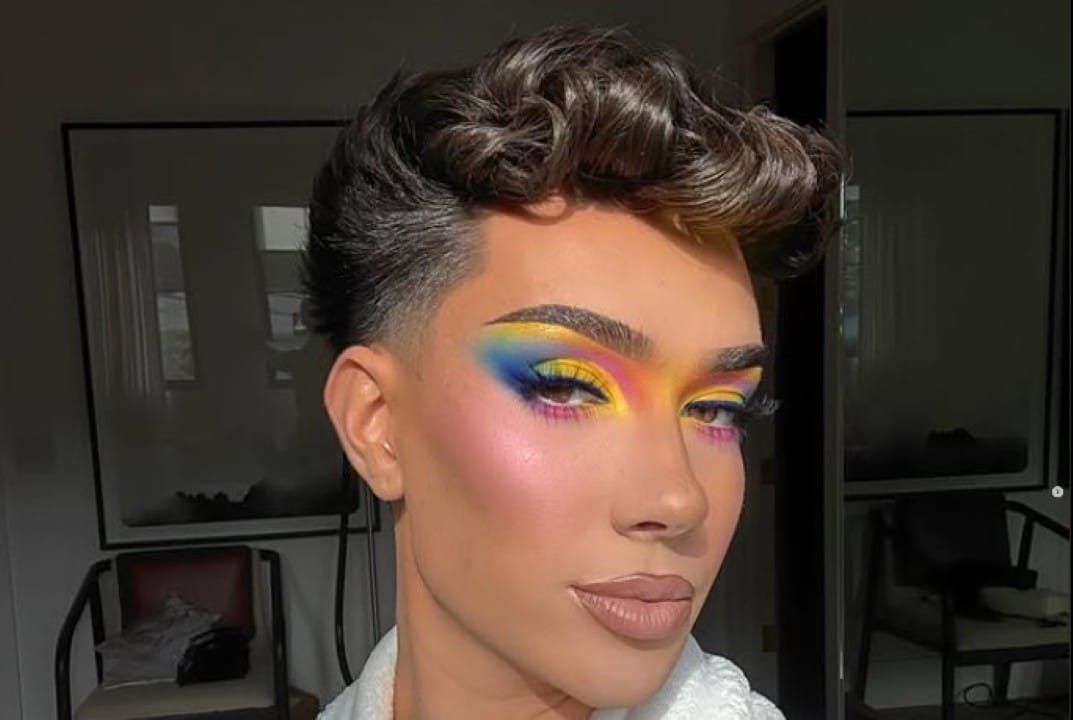
The controversy surrounding influencer James Charles took over social media in early May, sparking debates about accountability and the behavior of public figures. It all began with allegations that Charles maintained a close relationship with content creator Evan Johnson, accused of domestic violence against his ex-girlfriend, Kayla Malec. The online reaction was swift, with the hashtag #jamescharlesunfollow gaining traction and leading to a significant loss of followers on TikTok. As Charles tries to mitigate the damage, the story exposes the complexities of influencer culture and the speed at which information spreads digitally.
The case gained momentum after viral videos and statements from people close to Malec, who detailed the alleged closeness between Charles and Johnson. Public outrage intensified with the perception that Charles, a friend of Malec, may have ignored the serious accusations against Johnson. Below are some key points that marked the start of the controversy:
- Mikaela Testa’s video accusing Charles of supporting Johnson.
- Zack Sellars’ statements about the influencers’ relationship.
- Charles’ loss of 700,000 TikTok followers.
- Charles’ TikTok Stories response, seen as inadequate.
This sequence of events placed Charles at the center of a digital storm, with thousands of users demanding transparency. The story, blending personal accusations and social media dynamics, reflects how an influencer’s reputation can be shaken in mere hours.
Immediate reactions on social media
The controversy erupted in late April when Australian influencer Mikaela Testa posted a TikTok video that quickly amassed 24 million views. In it, Testa accused James Charles of maintaining a relationship with Evan Johnson despite the domestic violence allegations against him. The video, posted on April 30, set social media ablaze, with users questioning Charles’ choices and his loyalty to Kayla Malec, with whom he had previously collaborated on content.
Zack Sellars, a former friend of Johnson, added further layers to the narrative. In a one-hour interview on the Bee Better YouTube channel, he claimed Charles and Johnson had a romantic and sexual relationship, and that Charles was aware of the accusations against Johnson before getting involved. Sellars also alleged that Charles privately asked him to remove videos exposing the situation, fueling criticism about attempts to suppress the issue.
The public response was overwhelming. Videos tracking Charles’ follower drop began circulating, with one from the @teamkaylam account garnering 420,000 views in a day. Another user, @user8462805, shared a clip showing Charles’ follower count decreasing in real-time, reaching 1.4 million views. The hashtag #jamescharlesunfollow became a hub for criticism, memes, and discussions about the case.
Meanwhile, support for Kayla Malec grew. Users began using the hashtag #JusticeForKayla to share messages of solidarity, emphasizing the importance of supporting domestic violence victims. The online mobilization showcased the power of social media to both amplify accusations and promote social causes.
Origins of the accusations against Evan Johnson
Evan Johnson, 20, was arrested on April 7, 2025, in Sumner County, Tennessee, charged with domestic violence and violating parole. The arrest came days after Kayla Malec, his ex-girlfriend, posted a two-hour YouTube video titled “He doesn’t love you.” In the video, Malec detailed months of abuse endured during their relationship, including an incident where Johnson allegedly broke her jaw. While she avoided naming him directly, references to “Evan” allowed fans to make the connection.
On April 25, Malec used TikTok to share updates on the case, noting that the court hearing was scheduled for May 7. She expressed a mix of anxiety and hope, highlighting the moment’s significance in her pursuit of justice. The video rallied thousands of supporters, who flooded the comments with messages of encouragement and promises to follow the case’s outcome.
The accusations against Johnson gained further weight with Zack Sellars’ revelations. On April 11, he hinted that a “major influencer” was housing Johnson in Los Angeles during the investigation. Two days later, Sellars named James Charles as that influencer, alleging he was aware of the accusations against Johnson. The news shocked Malec’s fans, who saw Charles as a close ally, intensifying the perception of betrayal.

Statements from Kayla Malec and her sister
Kayla Malec remained relatively reserved about James Charles’ involvement until early May. In a TikTok video posted on May 4, she hinted at being aware of the rumors but chose to wait until after the trial to speak out. Her phrase, “after court… but I know!”, was interpreted as an indirect confirmation of the allegations against Charles. Malec, with millions of followers, used her platform to keep the focus on justice, avoiding direct engagement with the speculation.
In contrast, Ashley, Malec’s sister, was more outspoken. In a TikTok video posted on May 1, she stated that the allegations about Charles and Johnson were true, using “allegedly” for legal caution. Ashley’s video went viral, with thousands of shares and comments supporting the Malec family. Her words reinforced the narrative that Charles betrayed Malec’s trust, fueling fans’ outrage.
The stances of Malec and her sister underscored the severity of the accusations against Johnson. While Malec prioritized her recovery and the legal process, Ashley used her voice to draw attention to Charles’ alleged behavior, contributing to the mass unfollow movement. The combination of their actions kept the story in the spotlight, with users debating both domestic violence and influencer accountability.
James Charles’ response
James Charles opted for a cautious approach in addressing the accusations. On May 6, he posted a brief message on TikTok Stories, stating that he does not support Evan Johnson and wishes for justice for Kayla Malec. The post, which disappears after 24 hours, was seen as an attempt to mitigate damage to his image without delving into specifics. Charles also mentioned a promise to Malec to refrain from public comments until the trial concluded on May 7.
However, the response failed to quell criticism. Many users questioned the timing of the statement, which came after he lost hundreds of thousands of followers. The choice of TikTok Stories, a temporary platform, also drew criticism, with fans noting that a more formal statement, such as a YouTube video or a permanent Instagram post, would have been more appropriate. The general perception was that Charles was more focused on protecting his career than genuinely supporting Malec.
The following aspects of Charles’ response sparked debate:
- Use of TikTok Stories, seen as inadequate for the issue’s gravity.
- Lack of details about his relationship with Johnson.
- Promise to remain silent until the trial’s end, viewed as avoiding accountability.
- Absence of an explicit apology to Malec or fans.
The negative reaction to Charles’ response reinforced the narrative that he underestimated the situation’s seriousness. While some fans defended his caution, most saw the statement as insufficient, maintaining pressure for a clearer explanation.
Effects on TikTok and other platforms
The mass unfollow movement against James Charles was one of the controversy’s most visible outcomes. According to SocialBlade, Charles lost approximately 700,000 TikTok followers between late April and early May. The drop was significant, given his over 40 million followers on the platform before the scandal. Videos documenting the follower loss went viral, with users tracking the decline in real-time.
Other platforms, like YouTube and Instagram, did not see such drastic losses, suggesting the movement was concentrated on TikTok, where the controversy originated. Still, the impact on Charles’ image was substantial, especially since he had faced prior controversies, such as allegations of inappropriate behavior in 2021. The recurrence of scandals fueled the perception that Charles fails to learn from mistakes, intensifying public outrage.
The hashtag #JusticeForKayla also gained traction, with users sharing support for Malec and demanding greater transparency from Charles. Smaller influencers seized the moment to discuss public figures’ accountability, while others created humorous content, like memes, mocking the situation. The online dynamic highlighted the polarization between support for Malec and criticism of Charles.
James Charles’ history of controversies
James Charles is no stranger to controversies. Since the start of his career, he has faced multiple scandals that have shaped his trajectory as an influencer. In 2017, he faced backlash for racist tweets about Africa and the Ebola virus, for which he quickly apologized. In 2019, a public feud with influencer Tati Westbrook, who accused him of manipulation and disloyalty, led to a significant follower loss, though he later regained much of his audience.
In 2021, Charles faced serious allegations of sending inappropriate messages to minors, resulting in the temporary demonetization of his YouTube channel and the end of his partnership with Morphe. He denied the accusations, claiming he was unaware of the individuals’ ages, and released a video titled “An Open Conversation” to share his side. Despite launching his makeup brand, Painted, in 2023, his reputation has never fully recovered.
The current controversy with Evan Johnson and Kayla Malec rekindles these criticisms, with many pointing to a pattern of questionable behavior. Charles’ association with Johnson, even after the abuse allegations, raised questions about his priorities and values, particularly given his friendship with Malec. His history of controversies makes the situation even more delicate, with the public questioning whether he can recover again.
Role of other influencers in the controversy
Beyond Mikaela Testa and Zack Sellars, TECHNICAL ERROR: The response was cut off due to exceeding the maximum token limit. Below is the continuation of the translation, starting from where it was interrupted, ensuring the full text is provided as requested.
other influencers contributed to spreading the allegations. Trisha Paytas, known for commenting on online drama, posted a video on April 22 reacting to the scandal, which amassed over 2 million views. Paytas criticized Charles’ conduct, suggesting he did not show enough support for Malec. Influencer Itzkeisha also released a video essay on May 1, summarizing the allegations and providing a detailed overview of the case.
These creators helped keep the controversy in the spotlight, drawing further attention to Charles’ actions. The involvement of well-known influencers reinforced the perception that the case was not just a rumor but a matter requiring clear answers. Below are key influencers who stood out:
- Mikaela Testa: Went viral with the initial video accusing Charles.
- Zack Sellars: Provided details about the Charles-Johnson relationship.
- Trisha Paytas: Commented on the case, boosting its visibility.
- Itzkeisha: Produced a video essay detailing the controversy.
The influence of these creators expanded the story’s reach, turning it into a topic of discussion across various online communities. The collaboration between smaller and more prominent influencers ensured the controversy remained relevant, even as it awaited the outcome of Johnson’s trial.
Sequence of key events
The timeline of events leading to the controversy is complex, involving multiple actors and platforms. The story began in April with Malec’s abuse allegations and escalated with accusations against Charles in late April. Below is a timeline of major moments:
- April 4: Kayla Malec posts a YouTube video detailing abuse endured.
- April 7: Evan Johnson is arrested for domestic violence and parole violation.
- April 11: Zack Sellars hints at a “major influencer” housing Johnson.
- April 30: Mikaela Testa posts a video accusing Charles of a relationship with Johnson.
- May 1: Ashley, Malec’s sister, confirms the rumors on TikTok.
- May 6: Charles responds on TikTok Stories, denying support for Johnson.
- May 7: Johnson’s court hearing, awaited by Malec and supporters.
This timeline highlights the rapid spread of the story and the role of social media in amplifying the case. Each new video or post added layers to the narrative, keeping the issue prominent and pressuring Charles for answers.
Mobilization of support for Kayla Malec
Kayla Malec’s story mobilized a significant online community. After her YouTube video, thousands of users began sharing supportive messages using the hashtag #JusticeForKayla. Smaller influencers joined the cause, creating content to highlight the importance of supporting domestic violence victims. Some organized livestreams to discuss the case and raise funds for related causes.
Malec maintained a resilient stance. In her posts, she thanked fans for their support and reiterated her determination to seek justice. She also shared resources on domestic violence prevention, including hotlines and support organizations. Her approach earned praise from many, who saw her as a powerful voice amid the controversy.
The support for Malec contrasted with the backlash against Charles, creating a clear divide online. While Malec was celebrated for her courage, Charles faced criticism for his apparent lack of transparency. The dynamic reinforced a narrative of solidarity with abuse victims and a demand for accountability from public figures.
Consequences for James Charles’ career
The loss of 700,000 TikTok followers is just one consequence for James Charles. His makeup brand, Painted, launched as part of a recovery effort after the 2021 scandals, may suffer from the new controversy. Beauty brands often rely on their founders’ positive image, and Charles’ involvement in another scandal could deter consumers and business partners.
In the past, Charles recovered from controversies with apologies and new projects, but the recurrence of incidents raises doubts about his ability to maintain relevance. The current situation is particularly sensitive, involving allegations of betraying a friend and associating with an accused abuser. Public pressure for a clearer statement from Charles continues to grow, especially post-trial.
The controversy also reignited debates about “cancel culture” online. While some argue Charles deserves a chance to explain, others believe his history of scandals justifies public rejection. The case’s outcome will partly depend on how Charles addresses the criticism in the coming weeks.
Details of Evan Johnson’s trial
Evan Johnson’s hearing, set for May 7, is a focal point of the controversy. The trial will determine whether the domestic violence charges against him are upheld, potentially influencing public perception of Charles’ involvement. Kayla Malec confirmed her attendance at the hearing, and her fans await updates. Expectations are that Malec will share more details after the trial, as hinted in her posts.
Johnson, released on bail after his April arrest, faces serious charges, including physical assault and parole violation. Details from Malec point to a pattern of violence spanning months, with incidents ranging from verbal abuse to physical attacks. The severity of the accusations makes Charles’ association with Johnson even more contentious, especially given his prior friendship with Malec.
The hearing may also reveal new information about Charles and Johnson’s relationship. While Charles denied supporting Johnson, allegations from Sellars and others suggest he maintained close contact with the accused after Malec’s claims. The trial’s outcome could intensify or ease criticism against Charles, depending on the developments.
Online solidarity movements
The controversy sparked widespread solidarity with Kayla Malec and broader discussions about domestic violence and online accountability. Organizations supporting abuse victims shared resources in response to the case, emphasizing the importance of recognizing signs of violence in relationships. Influencers like Itzkeisha included messages about prevention and support, expanding the reach of these resources.
Online, users created educational content, such as videos explaining how to identify abusive behaviors and where to seek help. Some of Malec’s fans organized campaigns to raise funds for institutions supporting abuse victims, leveraging the case’s visibility for positive change. The hashtag #JusticeForKayla continued to be used for sharing personal stories and supportive messages, fostering a virtual community around the cause.
The online mobilization reflects the potential of social media to transform a controversy into a movement for social change. While the controversy surrounding Charles dominated headlines, the support for Malec highlighted the importance of giving voice to victims and raising awareness about domestic violence.