

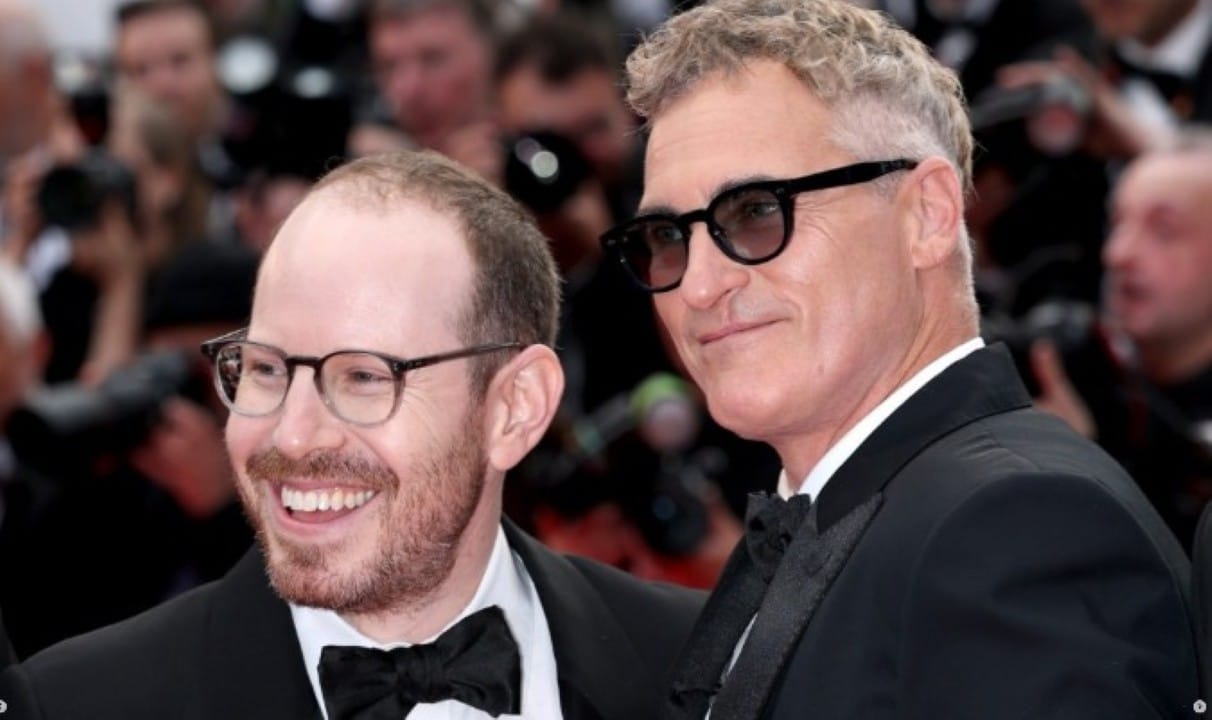
The 78th Cannes Film Festival lit up on May 16, 2025, as Ari Aster’s ‘Eddington,’ a provocative contemporary Western, took center stage. Joaquin Phoenix, anchoring the film as a conflicted sheriff, was overcome with emotion, visibly tearing up during a five-minute standing ovation that reverberated through the Palais des Festivals. Joined by co-stars Emma Stone, Austin Butler, and Pedro Pascal, Phoenix stood at the heart of a moment that blended triumph and tension. Yet, the film’s incisive take on American societal fractures prompted varied responses, with some attendees slipping out before the credits rolled.
Set in May 2020, ‘Eddington’ captures a small New Mexico town unraveling amid a clash between its sheriff and mayor. The A24 production, Aster’s first at Cannes, stirred debate with its blend of Western grit and COVID-era allegory. The premiere drew a global spotlight, amplified by the star-studded cast and Aster’s reputation for bold storytelling. As the ovation faded, the film’s polarizing edge was clear, setting the stage for its July 18 release.
The night was a milestone for Aster, whose self-deprecating remarks revealed his nerves. “I’m not sure what you thought, but thank you for being here,” he told the crowd, his voice tinged with gratitude. The festival’s electric atmosphere underscored the high stakes of unveiling such a daring work.
- A24’s gamble: Backing Aster’s vision for a politically charged Western.
- Cannes debut: Aster’s first festival appearance heightened anticipation.
- Star ensemble: Phoenix, Stone, Butler, and Pascal drove the film’s buzz.
Phoenix’s emotional peak
Joaquin Phoenix’s tearful reaction was a defining image of the premiere. His portrayal of a sheriff grappling with a divided town demanded intense emotional depth, a challenge the Oscar winner met head-on. Sources close to the set described Phoenix’s months-long preparation, including time spent studying rural law enforcement dynamics. The Cannes ovation, lasting five minutes, overwhelmed him, with Stone and Pascal offering support as the crowd roared. For attendees, Phoenix’s vulnerability highlighted the film’s raw power, cementing his status as a festival standout. The moment resonated beyond the Palais, sparking posts on X praising his commitment.
A polarizing narrative
‘Eddington’ unfolds in the early days of the COVID-19 pandemic, a choice that roots its story in a time of global unease. The film follows a tense standoff between Phoenix’s sheriff and Pascal’s mayor, a conflict that fractures the fictional town of Eddington, New Mexico. Aster’s script weaves Western archetypes with modern political commentary, exploring themes of mistrust and division. The deliberate pacing, marked by long silences and sudden violence, drew praise from some critics but alienated others. At least 20 audience members left during the screening, particularly from the upper tiers, suggesting the film’s bold choices didn’t land universally.
- Setting: May 2020 anchors the story in a moment of societal strain.
- Themes: Division and mistrust echo contemporary American tensions.
- Style: Aster’s mix of slow-burn drama and dark humor divides viewers.
Aster’s festival milestone
Ari Aster’s Cannes debut was a career-defining leap. Known for ‘Hereditary’ and ‘Midsommar,’ the 37-year-old filmmaker had never before navigated the festival’s high-stakes stage. His earlier films bypassed Cannes, with ‘Beau Is Afraid’—also starring Phoenix—opting for a direct theatrical release. At the premiere, Aster’s humility shone through as he thanked the audience while admitting uncertainty about the film’s reception. The Palais setting, steeped in cinematic history, amplified the moment’s weight. A24’s backing signaled confidence in Aster’s ability to deliver a festival hit, despite the risks of his provocative approach.
Cast chemistry
The ensemble cast elevated ‘Eddington’ to must-see status. Emma Stone, playing a local caught in the town’s chaos, brought subtlety to a role that balanced vulnerability and resolve. Austin Butler’s volatile performance as a catalyst for conflict added intensity, while Pedro Pascal’s charismatic yet ruthless mayor clashed memorably with Phoenix. Supporting actors, including Luke Grimes and Clifton Collins Jr., enriched the narrative with nuanced portrayals. Early reviews praised the cast’s ability to navigate Aster’s dense dialogue, with Phoenix and Pascal’s scenes singled out for their electric tension. The ensemble’s star power was a key draw, packing the Palais with eager festivalgoers.
- Phoenix’s depth: His sheriff role builds on his knack for tormented characters.
- Stone’s nuance: Her performance grounds the film’s escalating drama.
- Pascal’s menace: The mayor’s charm masks a calculating edge.
- Butler’s fire: His role injects unpredictability into the story.
Audience divides
The Cannes crowd’s response was as varied as the film’s themes. While the five-minute ovation signaled strong support, the trickle of departures—especially from the rafters—hinted at unease. Some attendees found the film’s political allegory too overt, while others were unsettled by its unrelenting tone. Posts on X captured the split, with some hailing ‘Eddington’ as a bold triumph and others calling it divisive. The international audience, less attuned to U.S. political nuances, may have struggled with the film’s context, according to festival observers. Still, the ovation’s intensity underscored the film’s ability to captivate a significant portion of the room.
Filming under pressure
Producing ‘Eddington’ was no small feat. Shot in New Mexico in 2023, the film faced strict COVID-19 protocols that shaped its approach to crowd scenes and logistics. Aster and cinematographer Pawel Pogorzelski crafted a visual language that balanced the desert’s vastness with intimate character moments. The $40 million budget, a step up from Aster’s leaner past projects, reflected A24’s investment in the vision. Supply chain delays and labor shortages tested the crew, but their perseverance paid off in a film that’s both expansive and claustrophobic. The New Mexico landscape, stark and unforgiving, became a character in its own right.
- Budget: $40 million marked a new scale for Aster’s work.
- Location: New Mexico’s deserts posed logistical challenges.
- Protocols: COVID measures influenced filming techniques.
A24’s bold play
A24’s support for ‘Eddington’ underscores its knack for backing daring projects. The studio, behind hits like ‘Moonlight’ and ‘Midsommar,’ saw potential in Aster’s genre-blending vision. The July 18 release aims to capitalize on summer audiences, with marketing leaning into the film’s Western roots and star-driven drama. Trailers highlight the desert setting and tense character dynamics, teasing the political edge without spoiling key moments. A24’s Cannes track record, including ‘The Lighthouse’ and ‘The Florida Project,’ bodes well for translating festival buzz into box office draw. The studio’s social media push, active on X, amplifies cast interviews and behind-the-scenes glimpses.
Critical takes
Early critical reactions from Cannes were largely positive, though not without caveats. Reviewers lauded Phoenix and Pascal’s performances, with Stone and Butler earning strong mentions. The film’s visuals, shot by Pogorzelski, and Bobby Krlic’s haunting score were praised for their immersive quality. Some critiques targeted the pacing, noting that certain scenes dragged, while others felt the political commentary risked overshadowing the story. Trade outlets like Variety and The Hollywood Reporter highlighted ‘Eddington’ as a potential awards contender, citing its ambition and execution. Social media buzz on X echoed these sentiments, with posts calling it a “divisive masterpiece.”
- Visuals: Pogorzelski’s cinematography blends grandeur and intimacy.
- Score: Krlic’s music amplifies the film’s emotional stakes.
- Debate: The political themes spark both praise and critique.
Western roots
‘Eddington’ taps into the Western genre’s rich history of grappling with societal fault lines. Classics like ‘High Noon’ used the frontier to explore moral conflicts, a tradition Aster reinterprets for a modern audience. The film’s small-town setting mirrors Western staples, where community tensions reveal larger truths. By grounding the story in May 2020, Aster ties it to a moment of global disruption, much like ‘Unforgiven’ reflected its era’s anxieties. The Cannes audience, familiar with the genre’s legacy, recognized these echoes, even as the film’s contemporary lens sparked debate.
Cannes spotlight
The 2025 Cannes lineup was fiercely competitive, making ‘Eddington’ stand out. The festival’s reputation for championing bold cinema aligned with Aster’s vision, and Phoenix’s prior Cannes win in 2017 added gravitas. Stone’s recent festival appearances further heightened interest. The Palais des Festivals, a cinematic landmark, magnified the premiere’s impact, drawing global press and industry insiders. The five-minute ovation, while not record-breaking, was fervent, reflecting the film’s ability to provoke. Festival programmers positioned ‘Eddington’ as a key title, cementing its place in the 2025 narrative.
Release buildup
A24’s marketing for ‘Eddington’ emphasizes its genre hooks and cast. Trailers, launched post-Cannes, showcase the desert’s stark beauty and the cast’s intense exchanges, hinting at the film’s themes. The July 18 release targets summer audiences seeking bold dramas, a slot that pits it against blockbusters. A24’s social media strategy, active on X, shares cast insights and festival highlights, building momentum. The studio’s success with films like ‘Hereditary,’ which thrived on buzz, informs its approach, betting on word-of-mouth to drive ‘Eddington’ forward.
- Trailers: Visuals tease the Western aesthetic and character tension.
- Timing: The summer release aims for broad appeal.
- Buzz: Social media amplifies festival reactions.
Broader resonance
‘Eddington’ lands at a time when cinema is wrestling with division and relevance. Its portrait of a splintered town, set during a global crisis, mirrors real-world tensions. The Western genre, often a lens for American identity, is repurposed here to question those narratives, aligning with Aster’s provocative style. The Cannes premiere, with its mix of adoration and dissent, reflects the polarized responses that greet bold works. As the film nears its release, its potential to fuel discussion positions it as a cultural touchstone, ready to spark debate beyond the festival.