
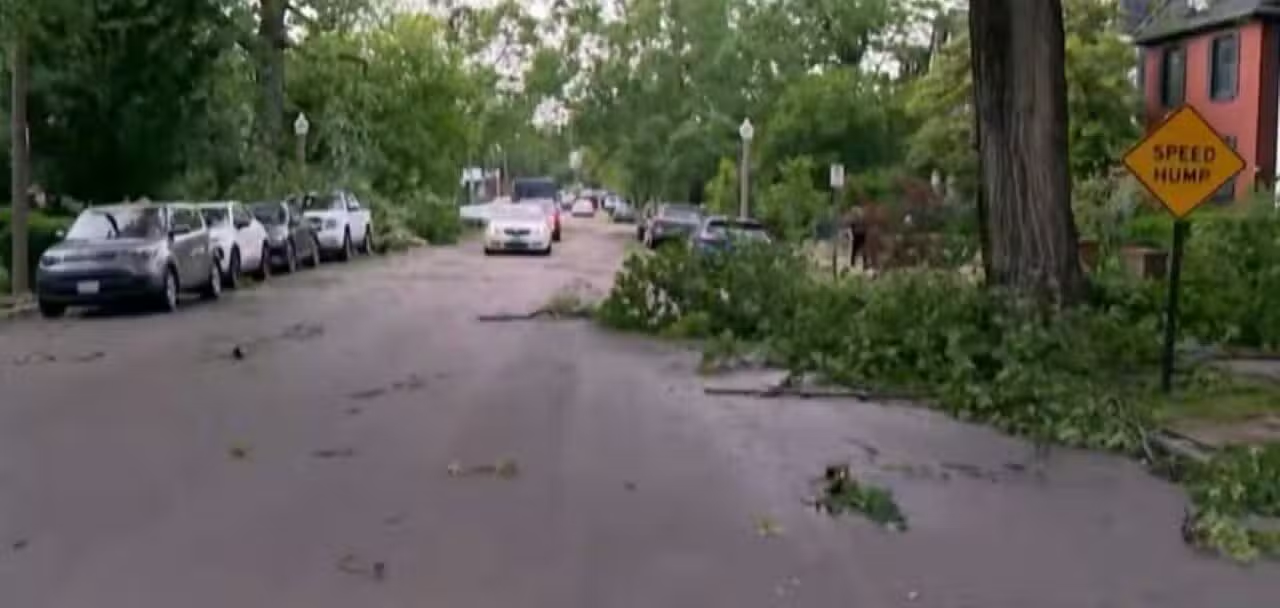
Tornadoes tore through St. Louis on May 16, 2025, leaving a trail of destruction across neighborhoods. From collapsed buildings to uprooted trees, the region faced intense storms that brought heavy winds and hail. The National Weather Service confirmed at least two tornado touchdowns, with damage reported in areas like North City and the Central West End. Residents are now grappling with the aftermath of one of the most severe weather events of the year.
The storms struck in the early afternoon, catching many off guard. Videos and photos flooded social media, showing rubble-strewn streets and shattered windows. Emergency responders worked swiftly to secure affected areas. Key impacts included:
- Collapsed buildings, including the Harlem Tap Room in North City.
- Widespread tree damage across Maryland Heights and Lemay.
- Hailstones pummeling vehicles and homes, some as large as golf balls.
North City bore the brunt of the destruction, with Clarence Avenue resembling a war zone. Bricks and debris littered the streets, and businesses struggled to assess losses. The Central West End, known for its vibrant community, saw trees topple onto roads, disrupting traffic and daily life.
As St. Louisans begin recovery efforts, the scale of the damage is becoming clearer. Firefighters and police remain on high alert, ensuring safety amid ongoing assessments.
North City’s Clarence Avenue in ruins
Clarence Avenue in North City became a symbol of the storm’s ferocity. A building’s roof was ripped off, scattering bricks across the street. Photos captured by local resident Stephanie showed debris blocking pathways, with emergency crews cordoning off the area. The destruction left residents stunned, as many had only moments to seek shelter.
The National Weather Service issued tornado warnings around 2:30 p.m., urging residents to take cover. Eyewitnesses reported hearing a deafening roar as the tornado passed through. One local described the scene as “apocalyptic,” with debris flying through the air. No injuries were reported on Clarence Avenue, but the structural damage was extensive.
- Debris scattered across multiple blocks, hindering access.
- Emergency responders secured the area by 3:00 p.m.
- Residents urged to avoid the zone due to safety concerns.
Cleanup efforts began immediately, with city crews clearing debris to restore access. The emotional toll on residents was palpable, as many faced the daunting task of rebuilding.
Harlem Tap Room collapses under storm’s wrath
At 4161 Martin Luther King Drive, the Harlem Tap Room suffered catastrophic damage. The building collapsed during the storm, prompting a swift response from firefighters. A 5 On Your Side crew documented the scene, showing rubble where the popular venue once stood. The collapse sent shockwaves through the community, as the Tap Room was a beloved local gathering spot.
Firefighters arrived by 3:15 p.m., ensuring no one was trapped in the debris. The cause of the collapse was attributed to the tornado’s powerful winds, estimated at over 100 mph. Nearby businesses also reported damage, though none as severe as the Tap Room.
The loss of the Harlem Tap Room struck a chord with patrons. One regular described it as “a second home,” highlighting the cultural significance of the venue. City officials pledged support for affected businesses, with assessments ongoing to determine the full extent of losses.
Central West End faces widespread tree damage
The Central West End, a bustling neighborhood known for its historic charm, was not spared. Maryland Avenue saw multiple trees uprooted, blocking roads and damaging property. A 5 On Your Side crew reported fallen branches littering the area, with some crashing onto parked cars. The Kingside Diner, a local favorite, had its storefront windows shattered by the storm’s force.
Residents described the sudden onslaught of winds that swept through around 2:45 p.m. One witness recalled seeing trees sway violently before snapping. The neighborhood’s tree-lined streets, typically a point of pride, became a hazard as branches blocked pathways.
- Uprooted trees disrupted traffic on Maryland Avenue.
- Kingside Diner’s windows blown out, forcing temporary closure.
- Power lines damaged, causing outages in parts of the area.
- City crews prioritized clearing roads by late afternoon.
The Central West End’s community rallied to assist with cleanup, with neighbors helping clear debris. Local businesses, including the Kingside Diner, began boarding up windows to prevent further damage.
Hail pounds Maryland Heights and beyond
Hail added to the chaos, with Maryland Heights residents reporting stones as large as golf balls. Videos captured by Shannon Hopson showed hail pelting vehicles, shattering windshields, and damaging rooftops. The barrage lasted for nearly 20 minutes, leaving a trail of destruction across suburban areas.
Meteorologists noted that the hail was driven by powerful updrafts within the storm system. The National Weather Service recorded hail sizes ranging from one to two inches in diameter. Homeowners faced significant repair costs, with some reporting cracked windows and dented cars.
- Hail caused widespread damage to vehicles and homes.
- Maryland Heights saw the largest hailstones in the region.
- Insurance companies mobilized to handle claims.
Residents were advised to inspect properties for hidden damage, as hail often causes issues not immediately visible. Local hardware stores reported a surge in demand for repair materials.
North Riverfront business torn apart
On the North Riverfront, the Coatings Application & Waterproofing Company at 5125 N. 2nd Street suffered severe damage. The storm tore off the building’s roof and part of its side, exposing the interior to the elements. A KSDK viewer submitted photos showing the extent of the destruction, with debris scattered across the property.
The business, a longstanding fixture in the area, faced an uncertain future as owners assessed losses. Employees were sent home for safety, and the site was secured by emergency responders. The damage highlighted the vulnerability of industrial areas to extreme weather.
Nearby businesses reported minor damage, but the Coatings Application & Waterproofing Company bore the worst of the storm’s impact. City officials promised to expedite permits for repairs, recognizing the economic importance of the North Riverfront.
Gateway Arch offers a somber view
A striking photo from the Gateway Arch captured the storm’s aftermath. Taken from the western windows, the image showed a haze over downtown St. Louis, with dark clouds lingering. The iconic landmark, a symbol of the city’s resilience, stood untouched, but the view underscored the severity of the day’s events.
The Gateway Arch Park Foundation shared the photo, noting that the park itself sustained minimal damage. However, the image resonated with residents, many of whom saw it as a poignant reminder of the city’s challenges. Social media posts echoed this sentiment, with users expressing both awe and sorrow.
The photo also highlighted the storm’s broad reach, as downtown St. Louis saw scattered debris and minor structural damage. The Arch remained open to visitors, serving as a focal point for those reflecting on the day’s events.
Lemay’s Jefferson Barracks hit by fallen trees
In Lemay, the Jefferson Barracks area saw significant tree damage. A photo shared on X by user KAY2RUN showed a large tree toppled across a road, blocking access. The historic site, known for its military significance, faced disruptions as crews worked to clear debris.
The fallen trees posed risks to drivers, with several roads temporarily closed. Emergency responders prioritized high-traffic areas to restore normalcy. No injuries were reported, but the damage added to the region’s growing list of storm-related challenges.
- Fallen trees blocked key roads in Jefferson Barracks.
- Crews worked through the afternoon to clear debris.
- Residents advised to avoid non-essential travel in the area.
The community expressed relief that the damage was limited to trees, but the incident underscored the storm’s widespread impact. Local officials coordinated with state agencies to ensure a swift response.
Emergency response in high gear
Firefighters, police, and city crews sprang into action as the storms subsided. By 3:30 p.m., emergency responders were deployed across St. Louis, addressing collapsed buildings, downed power lines, and blocked roads. The National Weather Service’s confirmation of tornado touchdowns heightened the urgency of the response.
In North City, firefighters secured the Harlem Tap Room site, ensuring no one was trapped. Police cordoned off Clarence Avenue, directing traffic away from hazardous areas. In the Central West End, city crews focused on clearing Maryland Avenue to restore access.
The coordinated effort drew praise from residents, who noted the rapid response. City officials urged the public to stay indoors and avoid downed power lines, emphasizing safety as assessments continued.
Economic toll on local businesses
The storms dealt a blow to St. Louis businesses, particularly in North City and the Central West End. The Harlem Tap Room’s collapse was a high-profile loss, but smaller businesses also faced challenges. The Kingside Diner’s shattered windows forced a temporary closure, disrupting operations.
In the North Riverfront, the Coatings Application & Waterproofing Company’s damage raised concerns about job impacts. Owners estimated repair costs in the tens of thousands, with insurance claims expected to take weeks. Other businesses reported minor damage, such as broken signs and flooded interiors.
- Harlem Tap Room’s collapse disrupted a community hub.
- Kingside Diner faced repair costs for shattered windows.
- North Riverfront businesses assessed structural damage.
- Local chambers offered support for affected owners.
The economic ripple effects were immediate, with some businesses uncertain about reopening. City officials vowed to streamline aid processes to support recovery.
Community resilience shines through
St. Louis residents showed remarkable resilience in the storm’s aftermath. Neighbors in the Central West End worked together to clear debris, while North City residents shared resources to cope with disruptions. Social media posts highlighted acts of kindness, from offering shelter to helping with cleanup.
Local organizations stepped up, with community centers providing temporary refuge for those displaced. Volunteers distributed food and water in hardest-hit areas, reinforcing the city’s tight-knit spirit. The response underscored St. Louis’s ability to rally in times of crisis.
The storms, while devastating, brought out the best in the community. Residents expressed determination to rebuild, with many already planning recovery efforts.
Weather patterns fuel extreme conditions
The May 16 storms were part of a broader weather pattern affecting the Midwest. Meteorologists pointed to a powerful low-pressure system that fueled the tornadoes and hail. Warm, moist air colliding with strong winds created ideal conditions for severe weather.
The National Weather Service noted that St. Louis’s location makes it prone to such events, particularly in spring. The region’s history of tornadoes, including a significant outbreak in March 2025, underscored the ongoing risk. Forecasters urged residents to stay vigilant, as additional storms were possible in the coming days.
- Low-pressure system drove tornado formation.
- Warm air and strong winds amplified storm intensity.
- St. Louis’s geography increases tornado risk.
- Forecasters advised preparedness for future storms.
The storms served as a stark reminder of the region’s vulnerability to extreme weather. Residents were encouraged to review emergency plans and monitor alerts.