

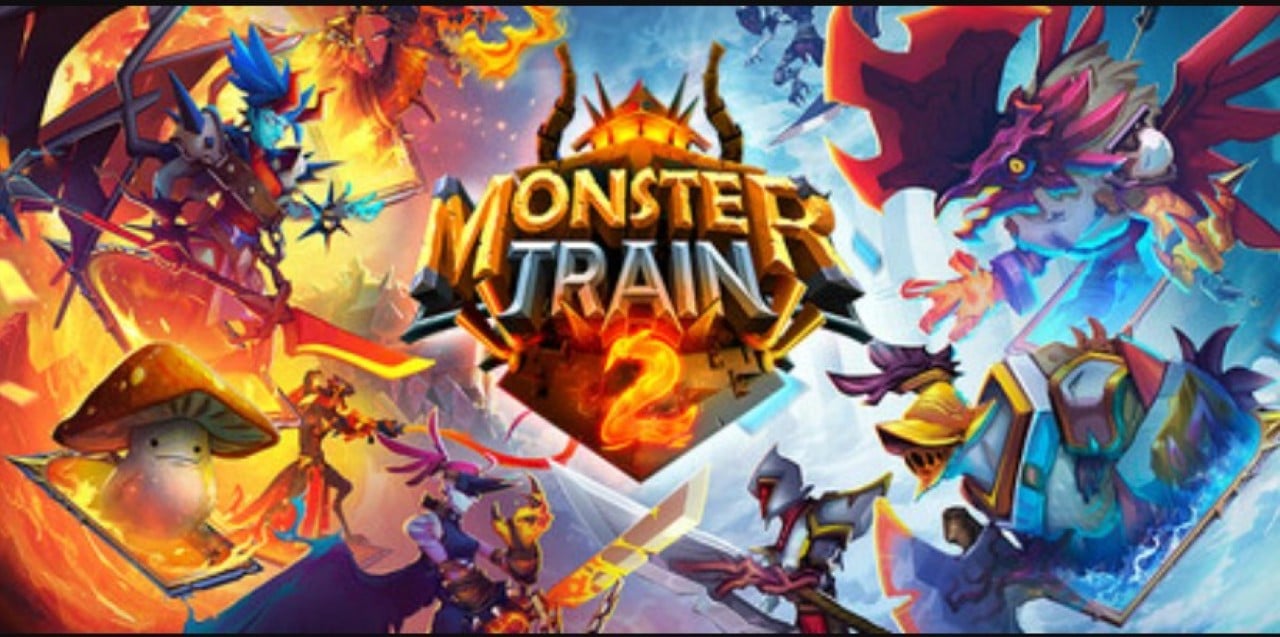
The release of Monster Train 2 has sent ripples through the gaming community, captivating players with its intricate deckbuilding mechanics and vibrant new factions. Building on the success of its 2020 predecessor, this roguelite masterpiece introduces a wealth of fresh systems, from equipment cards to room enhancements, ensuring every run feels distinct. Fans of the original have eagerly embraced the sequel’s expanded complexity, while newcomers are drawn to its accessible yet deep gameplay. With over 90 hours of playtime already logged by some, the game promises endless replayability.
- Five new clans offer unique playstyles, from mushroom-spawning Underlegion to potion-mixing Lazarus League.
- Equipment cards add customizable buffs, enhancing strategic depth.
- Endless Mode challenges players with escalating difficulty beyond the final boss.
The game’s ability to balance accessibility with complexity has made it a standout in the crowded roguelite genre. Each decision, from faction pairings to card upgrades, carries weight, creating a dynamic experience that keeps players hooked.
New factions reshape strategic gameplay
The introduction of five entirely new clans marks a significant evolution from the original Monster Train. Each faction brings a distinct flavor, encouraging players to experiment with diverse strategies. The Underlegion, for instance, excels at stacking damage-over-time effects like Decay, melting enemies over multiple turns. Meanwhile, the Pyreborne dragons thrive on accumulating gold through Avarice, funding powerful upgrades.
Players can pair two factions at the start of each run, multiplying the potential for creative synergies. The Lazarus League, with its Frankenstein-inspired units, allows players to transfer equipment from fallen units to others, creating resilient builds. This faction’s focus on potion-mixing adds another layer, granting effects like Rage or Resurrection. The Banished, fallen angels driven by Valor, reward dynamic positioning with spells that shift units across floors.
- Underlegion: Specializes in Decay and spawning mushroom soldiers.
- Pyreborne: Leverages gold and Pyregel for explosive damage.
- Lazarus League: Combines equipment grafting and potion effects.
- Banished: Builds Valor through movement and Revenge triggers.
- Luna Coven: Harnesses Moon Cycle bonuses and Conduit stacks for spell-focused builds.
These factions, paired with the game’s cartoonish yet charming art style, ensure that every run feels visually and mechanically fresh. The ability to swap Pyre Hearts, which alter the train’s core mechanics, further enhances customization.
Equipment cards add tactical depth
One of Monster Train 2’s most innovative additions is the equipment system, which allows players to buff units with specialized gear. These cards, shuffled back into the deck each battle, grant abilities like Spikes, Trample, or Life Steal. Players can combine two pieces of equipment to create hybrid effects, such as a weapon that boosts floor capacity and unit growth simultaneously.
This system encourages constant experimentation. For example, equipping a Pyreborne dragon with a Life Steal weapon can sustain it through prolonged battles, while a Banished unit with Spikes can punish aggressive enemies. The ability to pay for upgrades ensures equipment remains available during critical deployment phases, offering strategic consistency.
The game’s developers have carefully balanced randomness and control. While card draws remain unpredictable, the guaranteed deployment phase at the start of each battle allows players to position units strategically before combat begins. This tweak addresses a common frustration from the original, where spell-heavy decks could falter without early units.
Room cards enhance battlefield control
Another layer of complexity comes from Room cards, which modify the three floors of the player’s train. These cards apply persistent effects, such as boosting attack damage or reducing spell costs. Some rooms trigger dramatic effects, like dealing 50 damage to all units on a floor each turn, forcing players to weigh risks and rewards.
For instance, a room that grants Reanimation can synergize with Lazarus League units, making them stronger with each death. Conversely, a room that generates cash for every defeated enemy pairs well with Pyreborne’s gold-focused strategy. These cards, combined with faction-specific abilities, create a sandbox of possibilities.
- Attack Boost: Adds +15 damage to all attacks on a floor.
- Reanimation: Strengthens units with each death.
- Spell Cost Reduction: Lowers the energy needed for spells.
- Cash Generation: Rewards players for defeating enemies.
- Nuke Effect: Deals heavy damage to all units on a floor.
The strategic interplay between Room cards, equipment, and faction abilities ensures that no two runs feel identical, even when using the same starting setup.
Endless Mode pushes player limits
Monster Train 2 introduces Endless Mode, a post-game challenge that ramps up difficulty after defeating the final boss. This mode tests even the most optimized builds, with enemies growing stronger in each subsequent battle. Players report struggling to progress beyond the second encounter, highlighting the mode’s punishing design.
The mode’s appeal lies in its ability to keep seasoned players engaged. By combining Endless Mode with the game’s 10 challenge tiers, which unlock progressively tougher runs, Monster Train 2 offers near-infinite replayability. Daily Challenges, featuring randomized mutators, add further variety, while 21 Dimensional Challenges provide hand-crafted scenarios with unique rewards, such as new Pyre Hearts.
Despite the absence of leaderboards for Dimensional Challenges, the game’s Community Challenges allow players to design and share custom scenarios, fostering a vibrant community. These modes collectively ensure that Monster Train 2 remains engaging long after the initial campaign.
Reworked mechanics improve accessibility
Several quality-of-life improvements distinguish Monster Train 2 from its predecessor. The ability to reset a turn or restart a battle without cheating allows players to experiment without fear of permanent mistakes. While these actions place an asterisk on leaderboard scores, they serve as valuable learning tools, particularly for mastering new mechanics like unit special abilities.
Special abilities, such as shield slams or dragon fire breath, add tactical depth but require careful timing due to their cooldowns. The game’s interface highlights these abilities with prominent icons, though some players report occasionally overlooking them in the heat of battle. The deployment phase further enhances accessibility, ensuring players can set up their units before enemies strike.
These changes make Monster Train 2 more forgiving for newcomers while retaining the complexity that veterans crave. The ability to preview major bosses at the start of a run allows for strategic planning, reducing the frustration of unexpected counters.
Vibrant clans bring personality to battles
Each clan’s unique aesthetic and mechanics infuse Monster Train 2 with personality. The Underlegion’s fungal theme, with its gooey Decay effects, contrasts sharply with the Pyreborne’s treasure-hungry dragons. The Lazarus League’s mad scientist vibe, complete with grafted equipment and volatile potions, evokes a playful horror aesthetic.
The Banished, with their fallen angel lore, emphasize mobility and resilience, while the Luna Coven’s lunar magic adds a mystical flair. These thematic distinctions extend to the game’s soundtrack, which features jaunty tunes that complement the cartoonish art style. Visual novel-style cutscenes between runs introduce a light narrative, focusing on the conflict between fallen angel Fel and her corrupted brother Seraph.
- Underlegion: Fungal decay and mushroom soldiers create a grotesque yet effective playstyle.
- Pyreborne: Gold-hoarding dragons fund lavish upgrades.
- Lazarus League: Mad science meets strategic grafting.
- Banished: Mobile angels build strength through adversity.
- Luna Coven: Lunar cycles amplify spell-based strategies.
While the story takes a backseat to gameplay, its optional nature ensures it doesn’t detract from the core experience. The goofy interactions between factions add charm without overwhelming the strategic focus.
Pyre Heart system shakes up runs
The Pyre Heart, a swappable component of the train, introduces run-altering effects that keep gameplay unpredictable. Some Pyre Hearts grant one-time boosts, like extra energy or card freezing, while others replace starting cards with random draws, forcing players to adapt. Unlocking new Pyre Hearts through challenges adds a sense of progression.
For example, a Pyre Heart that freezes cards for a round can synergize with spell-heavy Luna Coven builds, ensuring key cards remain available. Conversely, a Pyre Heart that generates energy pairs well with Banished units that rely on frequent movement. This system encourages players to rethink their strategies with each run, amplifying replayability.
The ability to customize Pyre Hearts, combined with faction pairings and equipment, creates a near-infinite array of possibilities. Players can tailor their runs to specific playstyles or embrace randomness for a fresh challenge.
Strategic positioning remains critical
Monster Train 2 retains the original’s three-tiered tower defense structure, where unit placement is as crucial as card selection. Positioning strong units to protect weaker ones or optimizing spell order to maximize energy efficiency can determine a run’s success. The game’s reset and restart mechanics make it easier to test different configurations without committing to costly mistakes.
The interplay between positioning, equipment, and Room cards creates a delicate balance. For instance, placing a Banished unit with Revenge in a room that boosts armor generation can create an unkillable tank. Conversely, a poorly positioned Luna Coven unit may fail to capitalize on Moon Cycle bonuses, weakening spell output.
These mechanics reward careful planning while allowing for creative improvisation. The game’s forgiving reset options ensure players can refine their strategies without losing progress, making it accessible yet challenging.
Community and challenges foster engagement
The game’s Community Challenges, where players can create and share custom scenarios, have sparked significant interest. These user-generated challenges complement the game’s Daily and Dimensional Challenges, offering endless variety. While some players lament the lack of leaderboards for Dimensional Challenges, the existing boards for Community Challenges provide ample competitive opportunities.
The game’s Steam Deck compatibility has also broadened its appeal, allowing players to enjoy its vibrant visuals and complex mechanics on the go. With over 90 hours logged by some players, Monster Train 2’s portability enhances its addictive quality. The promise of new unlocks, from Pyre Hearts to cosmetic train customizations, keeps players invested.
Narrative elements add light context
While Monster Train 2 prioritizes gameplay, its visual novel-style cutscenes provide a light narrative framework. The story centers on Fel, a fallen angel, and her quest to reclaim Heaven from the Titans. Interactions between factions, such as the greedy Pyreborne dragons and honorable Underlegion mushrooms, inject humor into the otherwise serious plot.
The narrative’s optional nature ensures it doesn’t overshadow the gameplay. Players can skip cutscenes without missing critical mechanics, making the story a supplementary feature rather than a focal point. The jaunty soundtrack and cartoonish designs further enhance the game’s playful tone.
Replayability drives long-term appeal
Monster Train 2’s greatest strength lies in its replayability. The combination of new clans, equipment, Room cards, and Pyre Hearts ensures that no two runs are identical. Endless Mode and escalating challenge tiers keep veterans engaged, while quality-of-life improvements make the game accessible to newcomers.
The game’s ability to balance randomness and control, from guaranteed deployment phases to boss previews, creates a rewarding experience. Whether players prefer strategic planning or chaotic experimentation, Monster Train 2 accommodates a wide range of playstyles. Its vibrant community and robust challenge systems ensure it will remain a staple for deckbuilding fans.