British Royal Family to Retire Royal Train, Keeps £86.3M Grant Amid Cost Cuts

The British royal family announced the retirement of the iconic royal train by 2027 as part of cost-cutting measures, while continuing to receive a £86.3 million (approximately $109 million) Sovereign Grant funded by taxpayers. Revealed in the annual financial report of the Royal Household on June 30, 2025, the decision comes amid growing criticism from anti-monarchy groups calling for the abolition of public funding for the monarchy. The train, in use since 1842, will be replaced by helicopters, deemed a more cost-effective option. The royals conducted over 1,900 public engagements last year, but the high costs of palace maintenance and travel have sparked debates over the grant’s justification.
The Royal Household emphasized that retiring the royal train, introduced in 1977 for Queen Elizabeth II’s Silver Jubilee, aligns with efforts to reduce operational expenses. The report detailed that a single trip by the king to Staffordshire cost £44,822 ($56,700), while another to Bentley’s headquarters in Cheshire reached £33,000 ($41,750). Additionally, storing the train in a secure facility in Wolverton, England, incurs significant annual costs.
Efforts to modernize the royal fleet include transitioning to biofuels and electrifying vehicles, such as the king’s Bentleys. Helicopters, with an average cost of £3,370 ($4,260) per trip, were highlighted as a practical alternative. The royals completed 140 helicopter trips last year, signaling a shift toward more efficient transport options.
- Key points of the decision:
- Royal train to be retired by 2027 due to high costs.
- Sovereign Grant of £86.3 million maintained for 2025.
- Shift to helicopters and a more sustainable vehicle fleet.
- Anti-monarchy groups criticize use of public funds.
History of the royal train and its financial burden
The royal train, a symbol of British tradition since Queen Victoria’s first journey in 1842, has served the monarchy for over 180 years. The current train, equipped with nine carriages including sleeping quarters and offices, was designed for comfort and security during official duties. However, rising operational costs have made its upkeep unsustainable.
The Royal Household’s financial report revealed that train expenses far exceed those of other transport options. Beyond per-trip costs, maintaining the train in a secure Wolverton facility adds a substantial fixed annual expense. The decision to retire it reflects pressure for greater financial efficiency, particularly as the UK government navigates economic challenges.
The report noted that the train would require “significant investment” to remain operational beyond 2027. This led the Royal Household to prioritize alternatives like helicopters, already widely used. The move aims to balance tradition with modernization while addressing criticism over public spending.
Sovereign Grant: Structure and purpose
The Sovereign Grant, set at £86.3 million for the 2025 fiscal year, is the primary source of public funding for the British monarchy. It covers expenses such as palace maintenance, official travel, staff salaries, and public events. In return, the monarch surrenders profits from the Crown Estate, a vast portfolio of properties including central London real estate, Ascot Racecourse, and offshore seabeds around the UK.
The grant comprises:
- £51.8 million for general operational expenses.
- £34.5 million allocated for Buckingham Palace renovations.
- Exclusion of security costs, which remain undisclosed.
The Crown Estate generates significant revenue for the government, but critics argue the Sovereign Grant is disproportionate to the monarchy’s needs. Groups like Republic, led by Graham Smith, contend the system is inefficient, as funding is tied to Crown Estate profits rather than actual royal expenses.
Buckingham Palace renovation and modernization efforts
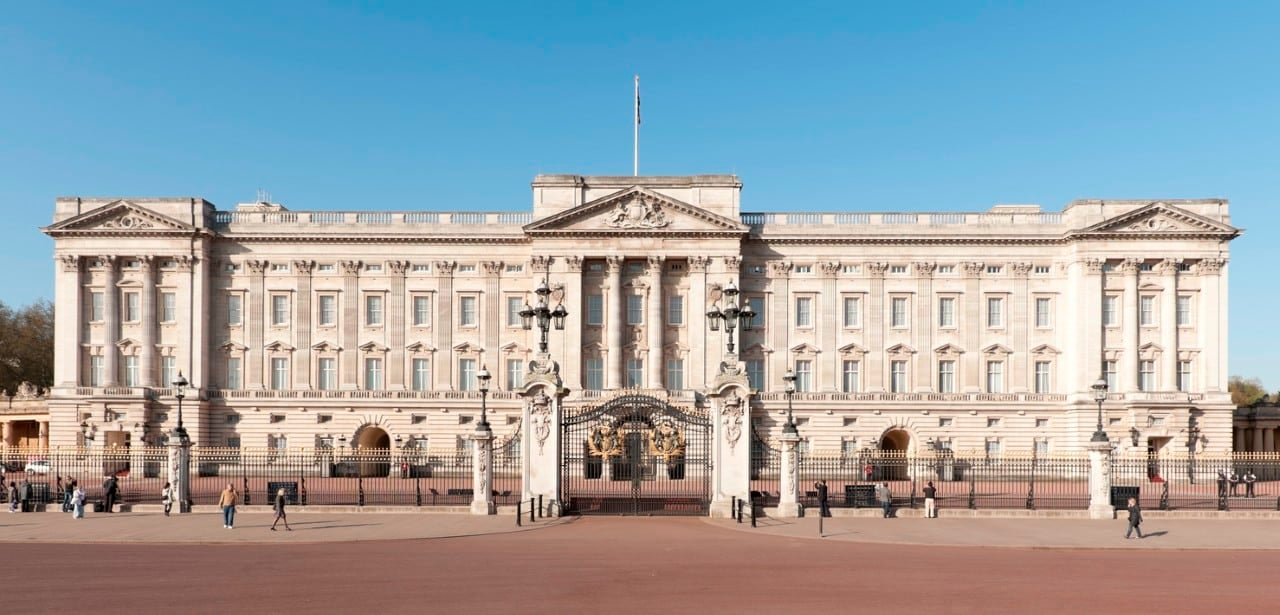
Buckingham Palace, the king’s official residence and a major London tourist attraction, is undergoing a multi-million-pound renovation. Launched several years ago, the project includes upgrades to electrical wiring, plumbing, elevators, and accessibility features. The goal is to preserve the palace’s historical significance while ensuring its functionality for future generations.
The 2025 financial report allocated £34.5 million of the Sovereign Grant to these works, which remain on schedule. The Royal Household emphasized sustainability, with plans for energy-efficient systems. The palace hosted 828 events with over 93,000 guests last year, underscoring its role as a hub for diplomatic and cultural activities.
Modernization extends to the royal fleet. The king’s two Bentleys will be adapted to run on biofuel, and other vehicles will transition to electric models. The use of sustainable aviation fuel for helicopters was also noted, aligning with broader environmental goals.

Criticism of royal funding
The decision to maintain the £86.3 million Sovereign Grant has sparked polarized reactions in the UK. Anti-monarchy groups, such as Republic, have ramped up calls to end public funding, arguing that Crown Estate profits should go directly to the Treasury. Graham Smith labeled the system “financial madness,” noting that grant increases are driven by Crown Estate profits, not royal needs.
Conversely, supporters, including James Chalmers, Keeper of the Privy Purse, argue that the monarchy’s “soft power” delivers value to the UK, enhancing its global cultural and diplomatic influence. Chalmers highlighted the royals’ 1,900 public engagements last year as evidence of their contribution.
Demands for greater transparency in royal spending have also grown. While the financial report details some costs, such as train and helicopter expenses, security costs remain confidential, fueling debates over accountability.
Additional royal revenue streams
Beyond the Sovereign Grant, the royal family relies on other income sources to support its activities:
- Duchy of Lancaster: Properties managed by the king, generating private profits.
- Duchy of Cornwall: A fund supporting the Prince of Wales and his family.
- Personal assets: Private investments and properties owned by the royals.
These resources supplement public funding but are insufficient to cover official duties, such as palace upkeep and public events. The Duchy of Cornwall, for instance, ensures financial independence for Prince William, though its revenues primarily support personal and charitable expenses.
Sustainability and fleet modernization
The Royal Household is intensifying efforts to adopt sustainable practices. Alongside the royal train’s retirement, the vehicle fleet is being overhauled to reduce emissions. The king’s Bentleys will transition to biofuel, while other vehicles will be replaced with electric models.
The use of sustainable aviation fuel for helicopters was also emphasized. With over 140 helicopter trips last year, the royals aim to balance mobility needs with environmental responsibility. These changes reflect a global push for traditional institutions to align with sustainability demands.
Public engagements and cultural significance
The British royal family conducted over 1,900 public engagements in the UK and abroad last year, according to the annual report. These included official visits, ceremonies, and charitable activities, reinforcing the monarchy’s role as a symbol of continuity and tradition.
Royal palaces, particularly Buckingham, played a central role, hosting 828 events with over 93,000 guests. These ranged from diplomatic receptions to cultural celebrations, cementing the monarchy’s relevance in a global context.
Ongoing debates over funding
The monarchy’s funding remains a contentious issue, particularly amid UK economic constraints. While the Royal Household seeks to demonstrate efficiency through measures like retiring the royal train and modernizing its fleet, critics argue the Sovereign Grant should be reformed or abolished.
The grant’s link to Crown Estate profits, established in 1760, is viewed by many as outdated. Groups like Republic advocate for direct government management of these properties, with profits redirected to public services like healthcare and education.
Supporters, however, argue that the monarchy’s cultural and diplomatic contributions justify its funding. The 2025 financial report stressed the royals’ commitment to balancing tradition and modernity, though debates over their financing are likely to persist.