New Silent Hill film set for 2026 with psychological terror and game fidelity


The fictional city of Silent Hill, shrouded in fog and mystery, returns to cinemas in 2026 with “Return to Silent Hill,” a film that promises to revive the psychological horror that defines the video game franchise. Directed by seasoned genre filmmaker Christophe Gans, who helmed the 2006 adaptation, the movie is slated for a global release in the second half of 2026. The production aims to blend the essence of the classic games with innovative visuals and storytelling, exploring themes like fear, guilt, and redemption. Filmed in locations that recreate the oppressive atmosphere of the city, the project has sparked significant anticipation among fans and horror movie enthusiasts. The goal is to deliver an immersive experience, enhanced by advanced visual effects and a haunting soundtrack, staying true to the franchise that has captivated millions since the 1990s.
The film’s announcement reignites interest in a series known for its unique approach to horror. Since the release of the first game in 1999, Silent Hill has established itself as a benchmark in the genre, with narratives that delve into the depths of the human psyche. The new production aims to honor this legacy, offering a story that mixes nostalgia with fresh elements to appeal to both longtime fans and new audiences.
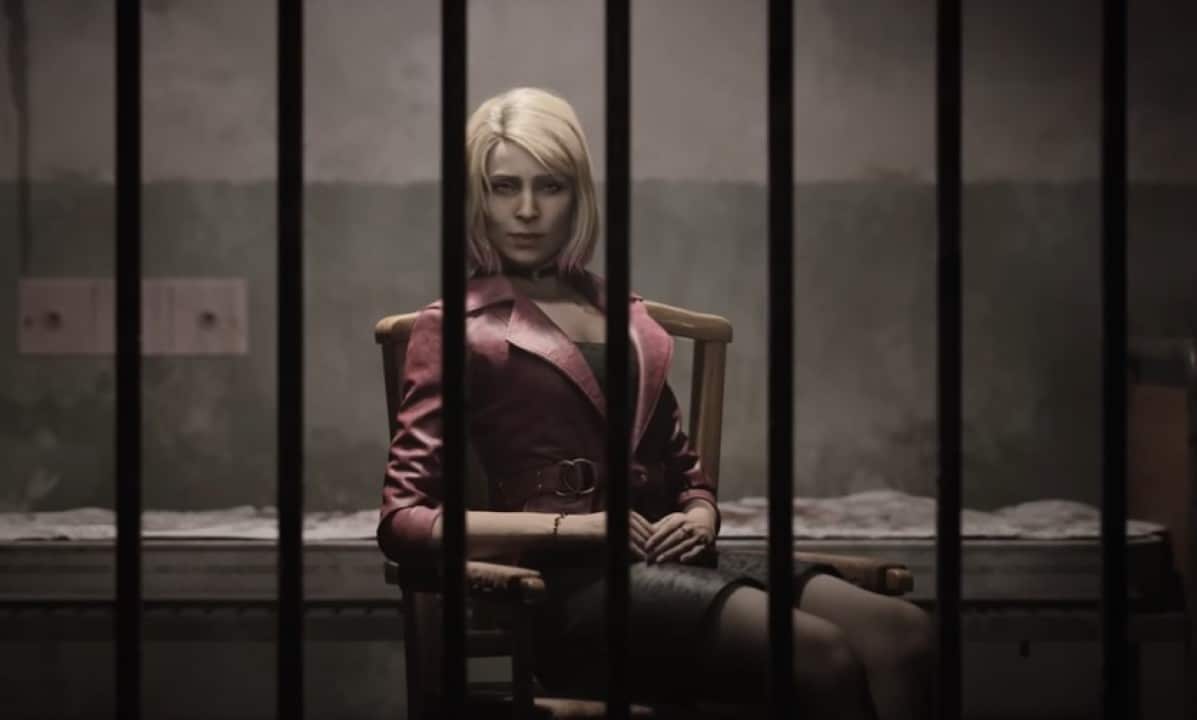
- Key aspects of the film:
- Global release in the second half of 2026.
- Directed by Christophe Gans, known for the 2006 adaptation.
- Focus on psychological horror with themes of guilt and redemption.
- Use of modern visual effects and settings faithful to the games.
Gans’ selection as director bolsters confidence in the adaptation’s quality. Having previously worked on the franchise, he understands the importance of maintaining the suffocating atmosphere that defines Silent Hill, a factor fans consider crucial to the film’s success.
Context of the Silent Hill franchise
The Silent Hill franchise began in 1999, developed by Konami, and quickly became a landmark in psychological horror. Unlike other horror games like Resident Evil, which focus on action and jump scares, Silent Hill delves into characters’ inner conflicts, using the foggy city as a reflection of their struggles. The new film draws inspiration directly from “Silent Hill 2,” one of the most acclaimed games in the series, released in 2001, which follows James Sunderland on a journey of redemption after his wife’s death.
The first film, released in 2006, was praised for its visual fidelity but criticized for narrative deviations. The sequel, “Silent Hill: Revelation” (2012), fell short of expectations. Now, the 2026 production aims to correct these missteps, focusing on a cohesive story and an art direction that recreates the urban decay characteristic of the series. Filming in real locations, such as abandoned European cities, adds authenticity to the settings, while advanced visual effects promise to heighten immersion.
The plot, though still under wraps, is expected to explore new characters facing the city’s horrors. The narrative will maintain its focus on themes like trauma and guilt, with the franchise’s iconic fog and symbolic monsters serving as metaphors for internal conflicts. This introspective approach sets Silent Hill apart, favoring cerebral storytelling over cheap thrills.
Direction and creative team
Christophe Gans returns as director, bringing his expertise in horror and fantasy films, such as “Brotherhood of the Wolf” (2001). His vision for the new Silent Hill is described as a “tribute to fans” while updating the franchise for a contemporary audience. The art direction, led by professionals experienced in high-budget productions, aims to recreate the games’ grim aesthetic, with meticulous attention to details like deserted streets, dilapidated buildings, and the iconic fog enveloping the city.
- Highlighted production elements:
- Direction by Christophe Gans, with prior franchise experience.
- Cutting-edge visual effects to recreate monsters and environments.
- Soundtrack composed to evoke the games’ atmosphere.
- Use of real locations for added authenticity.
The soundtrack, another cornerstone of the franchise, will be composed by Akira Yamaoka, responsible for the iconic music of the games. His involvement ensures the film retains the series’ sonic identity, with melancholic and dissonant melodies that amplify the sense of unease.
Fan and market expectations
The announcement of “Return to Silent Hill” has generated significant buzz, particularly among fans of the franchise, who eagerly await an adaptation that lives up to the games’ legacy. On social media, the hashtag #SilentHill2026 has already amassed thousands of mentions, with discussions about the cast, plot, and fidelity to the games. Adapting “Silent Hill 2” is seen as a wise choice, given the game’s reputation as the series’ narrative peak, blending emotion, suspense, and symbolism.
The film industry is also optimistic. The horror genre is experiencing a resurgence, with films like “Hereditary” (2018) and “Midsommar” (2019) proving audiences crave more sophisticated experiences. Silent Hill, with its psychological focus, fits perfectly into this trend. The planned release in the second half of 2026, close to Halloween, is strategic to capitalize on the peak season for horror films.
The production also aligns with the franchise’s revival in gaming. In 2022, Konami announced new games, including a remake of “Silent Hill 2,” signaling a coordinated effort to revitalize the brand. The film, therefore, arrives at a time of renewed interest, with potential to attract both gamers and cinephiles.
Production challenges and innovations
Adapting Silent Hill for the big screen is no easy feat. The games’ complex narratives, often open to interpretation, require a delicate balance between clarity and ambiguity. The 2026 production faces the challenge of crafting an accessible story without sacrificing the psychological depth that defines the franchise. Additionally, the film must stand out in a competitive market where psychological horror competes with fast-paced scare-fests and action-driven franchises.
- Planned innovations:
- Introduction of new characters to expand the universe.
- Use of cutting-edge technology in visual and sound effects.
- Narrative balancing nostalgia with fresh elements.
- Focus on real locations for greater immersion.
- Integration of references to the series’ more recent games.
Filming in real locations, such as abandoned industrial cities, sets the production apart. This approach contrasts with the heavy reliance on CGI in other films and enhances the realism essential to immersing audiences in Silent Hill’s world. The team also plans to introduce new monsters, designed based on the characters’ fears and traumas, continuing the franchise’s tradition of using creatures as metaphors.
Cultural impact of Silent Hill
Silent Hill transcends entertainment, influencing pop culture with its unique aesthetic and deep narratives. The franchise has inspired artists, writers, and filmmakers with its blend of horror, psychology, and symbolism. The new film has the opportunity to reinforce this legacy, bringing the foggy city to a new generation. Its focus on themes like guilt and redemption resonates with universal issues, potentially broadening the film’s appeal.
The production also reflects the evolution of the horror genre in cinema. While the 2000s were dominated by jump-scare-heavy films, the past decade has seen a return to psychological horror, with stories exploring trauma and inner conflicts. Silent Hill, with its introspective approach, is well-positioned to shine in this landscape, offering an experience that goes beyond superficial scares.
The film is expected to appeal not only to fans but also to new audiences, particularly those introduced to the franchise through recent games or streaming platforms. The planned global simultaneous release in 2026 underscores the goal of reaching an international audience, solidifying Silent Hill as one of the most influential horror franchises.
Curiosities about the franchise
Silent Hill’s history is rich with details that enhance its mythology. Since the first game’s release, the series has stood out for its innovative approach, combining horror with psychological narratives. The new film aims to incorporate some of these unique elements, strengthening its connection with fans.
- Notable facts about Silent Hill:
- The city was inspired by real locations like Centralia, Pennsylvania, abandoned due to an underground fire.
- “Silent Hill 2” is considered a milestone for its emotional narrative and symbolism.
- Akira Yamaoka’s soundtrack is so iconic it has been performed in live concerts.
- The series’ monsters are projections of characters’ fears and traumas.
- The franchise has influenced works like the game “Dead Space” and the film “Session 9.”
These elements highlight the depth of Silent Hill’s universe, which goes beyond horror to explore profound human issues. The 2026 film has the chance to bring this complexity to the screen, delivering an experience that blends nostalgia, innovation, and emotion.