Discord faces global outage with server and connection issues for thousands on September 8

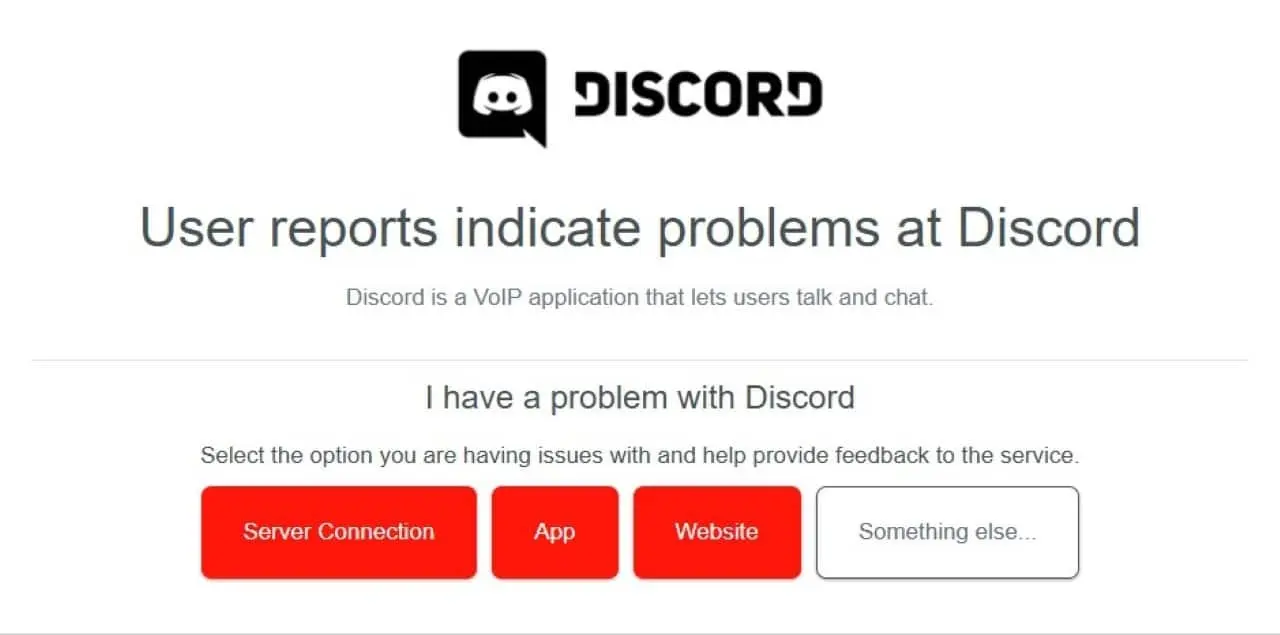
Discord, a widely used communication platform for millions in gaming, communities, and daily interactions, faced a significant outage on September 8, 2025, impacting servers across regions like Brazil, the United States, and Europe. The issue began around 2:24 PM Pacific Time (5:24 PM Brasília time), with users reporting blank channels, failures to load guilds, and errors like “Guilds Unavailable.” The company investigated the incident, which quickly escalated, causing widespread unavailability for messages and voice connections, though direct messages worked for many. Over 93,000 reports surfaced on Downdetector by 6:19 PM Eastern Time, with peaks in server connection issues (65%), app failures (30%), and website problems (5%). The exact cause remained unclear initially, but the technical team worked to restore traffic, partially resolving issues by early evening. This event underscored users’ reliance on stable services for social and professional activities, particularly among gamers and collaborative groups.
The outage sparked immediate complaints, with users unable to contact friends or join calls. Many attributed the issue to server overload, but the platform confirmed it was an internal guild availability failure.
- Voice connections failed across regions, showing “awaiting connection” messages for minutes.
- Text channels appeared empty or failed to load, halting active community discussions.
- Initial reports came from U.S. users, followed by complaints in Brazil and Europe.
The platform provided updates on fix progress. The team monitors the system to prevent recurrences.
Technical issues dominate global complaints
Users reported various technical problems during the September 8 outage, primarily unstable connections preventing access to custom servers, known as guilds. These errors emerged suddenly, turning gaming sessions and conversations into frustrating experiences for communities relying on the tool for real-time coordination.
Initial slowdowns escalated into complete failures in some areas, with the app crashing during data sync attempts. Reports indicated that restarting the app or clearing the cache helped in isolated cases, but most faced persistent blocks. Voice and video, core features for gamers, were heavily impacted, with calls stuck on loading screens indefinitely.
In regions like Brazil, complaint peaks hit around 6:00 PM, aligning with peak usage after work hours. Users described failed attempts to join voice channels for online matches, causing delays in scheduled events.
Acompanhe: tudo sobre discord connection issues Brazil
- 65% of reports involved server disconnections, per real-time monitoring.
- 30% cited crashes in mobile and desktop apps, preventing logins.
- 5% reported website slowdowns, affecting status checks.
The company issued alerts via its status page, confirming the issue spread to more components. Technicians applied partial fixes, restoring access gradually from 3:40 PM Pacific.
Impact on gaming and remote work communities
Professional and amateur gamers faced direct disruptions during the outage, with tournaments and streams paused due to inability to coordinate teams via voice. Platforms like Valorant and League of Legends saw reports of isolated players unable to communicate in real time, altering multiplayer dynamics.
In professional settings, development groups and remote teams experienced delays in collaborations, where Discord serves as a hub for file sharing and agile discussions. Freelancers and content creators noted productivity losses, with automation bots failing to respond to basic commands.
The outage lasted about two hours at peak intensity, but lingering issues persisted in larger servers, where loading took extra minutes. This exposed vulnerabilities in infrastructure supporting over 150 million monthly users, many of whom shifted to temporary alternatives like WhatsApp or Telegram during the disruption.
Brazilian users highlighted frustrations during evening hours, when the app is used for post-work socialization. A São Paulo developer described a canceled virtual meeting, forcing reliance on emails as a makeshift substitute.
Saiba mais: Discord registra pane global com falhas em servidores e conexões para milhares de usuários em 8 de setembro
Contingency measures suggested by users
While Discord investigated, the online community shared practical tips to mitigate the outage’s effects. Many recommended switching to the web version, which retained basic direct messaging functionality, albeit with increased latency.
Restarting routers and checking internet speeds emerged as common fixes for marginal cases, where issues seemed local. Tech-savvy users suggested disabling game overlays integrated with Discord, which sometimes worsen crashes during overloads.
In forums and social media, groups set up backup channels on other platforms, ensuring continuity for critical discussions. This quick adaptation showed the resilience of digital communities but also frustration with recurring instabilities.
- Disconnect and reconnect to Wi-Fi to refresh the session.
- Update the app to the latest available version.
- Use VPNs selectively only if errors persist locally.
- Monitor the official status page for real-time alerts.
- Avoid multiple tabs or devices simultaneously to reduce load.
These tips helped thousands navigate the chaos, though they didn’t resolve the core server-based issue.
Problem progression throughout the day
The incident began subtly, with isolated slowdown reports in smaller guilds around 2:00 PM Pacific. Complaints quickly escalated, peaking globally by 5:00 PM Brasília time, when the official status acknowledged a “widespread unavailability” escalation.
Veja Também

Após 12 anos, zoológico de Hertfordshire festeja a chegada de gêmeos de panda-vermelho ameaçado

Justiça condena lateral Léo Derik do Athletico a 13 anos por estupros

Prichard Colón: boxeador falece aos 33 anos após longa batalha por lesão em luta
Partial fixes restored voice in select regions, but text and notifications remained unstable in high-density user areas. By late afternoon, traffic began normalizing, with 80% of reports dropping within an hour of the peak.
Users in Asian time zones woke to lingering issues, but the focus remained on the Western hemisphere. The company emphasized ongoing monitoring, promising detailed reports on the cause once identified.
This progression mirrors past outages, where data cluster failures spread to interdependent components. Online support communities predicted full resolution before midnight, based on similar prior incidents.
Cobertura completa: Últimas Notícias
Community responses and alternatives used
During the outage, forums and social media buzzed with discussions on the impact, with memes and jokes easing tensions among serious reports of losses in live streams. Content creators paused broadcasts, opting for announced breaks to avoid audience penalties.
Alternatives like Slack for professionals and Steam Chat for gamers saw temporary traffic spikes, though lacking Discord’s native integration. Discord groups migrated conversations to mass emails or traditional messaging apps, maintaining minimal flow.
The collective reaction highlighted the platform’s importance in digital ecosystems, where short disruptions cause cascading effects. Brazilian users shared experiences in Portuguese, uniting for collective troubleshooting.
This informal mobilization strengthened community bonds, turning a technical failure into an opportunity for virtual solidarity. The company thanked users for feedback, incorporating suggestions for future communication improvements.
History of instabilities reveals patterns
Looking at past incidents, Discord recorded similar outages in August 2025, with “Awaiting Endpoint” voice errors affecting millions. These events often tie to API updates or traffic spikes during game launches.
In March 2025, a Brazil-focused instability coincided with global complaints, resolved in under an hour but exposing weaknesses in regional data routes. Patterns suggest authentication failures propagate to guilds and voice.
The company invests in redundancy, but growing user volumes test infrastructure limits. Incidents like September 8 serve as tests for response protocols, improving recovery times.
These past episodes guide expectations, with resolutions typically within hours, minimizing long-term damage.
Prevention and future monitoring strategies
Discord engineers prioritize post-incident analyses to pinpoint bottlenecks, like overloaded clusters in specific zones. Recent updates aim to balance load more evenly, reducing propagation risks.
Users can subscribe to official notifications for proactive alerts, enabling real-time preparations. In-app diagnostic tools help isolate local issues from global failures.
The community contributes detailed reports, speeding up diagnostics. This mutual collaboration strengthens the platform, ensuring disruptions like September 8 become rare.
Real-time monitoring evolves with AI to predict spikes, dynamically adjusting resources. These strategies promise greater stability in a high-usage environment.