2025 solar eclipse on September 21: equinox spectacle with safe observation guide
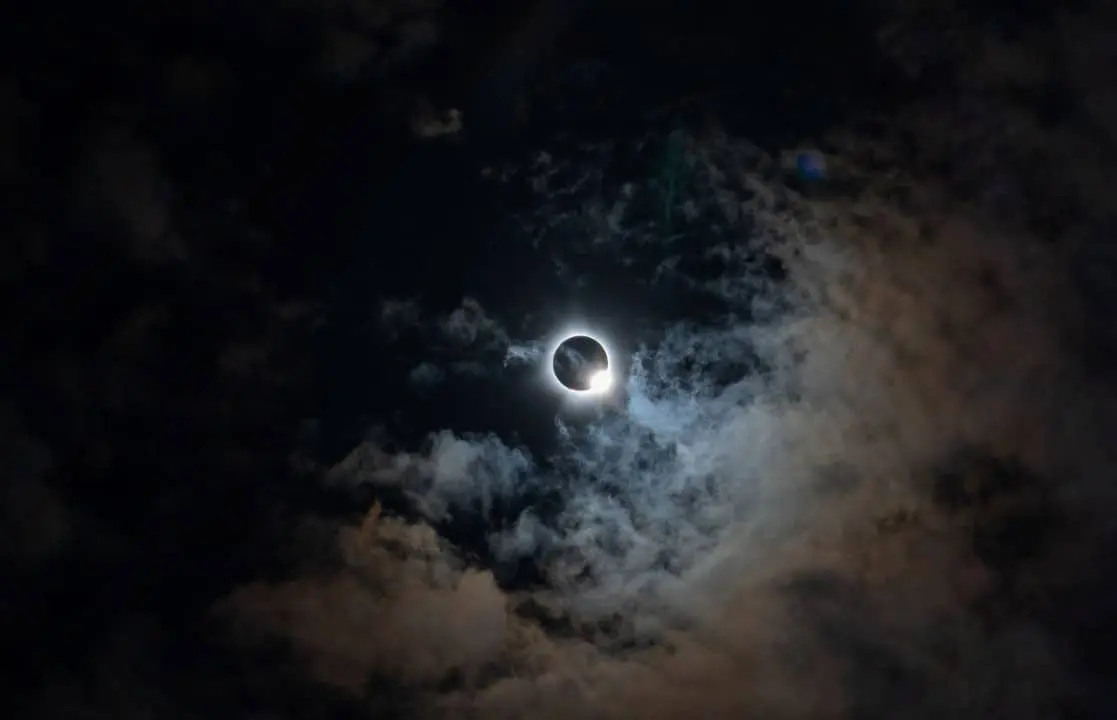
On September 21, 2025, a partial solar eclipse will grace the southern hemisphere’s skies, coinciding with the spring equinox and obscuring up to 80% of the Sun’s disk in select regions. This celestial event, the second solar eclipse of the year, stems from an imperfect alignment of the Sun, Moon, and Earth, casting the Moon’s penumbra across a limited swath of the planet. Starting at 17:29 UTC and peaking at 19:41 UTC, the eclipse reaches a magnitude of 0.855, offering a striking crescent Sun view. Visible in areas like New Zealand, Australia’s east coast, southern Pacific islands, and parts of Antarctica, it aligns with sunrise in some locales, creating a dramatic horizon. While not visible in the northern hemisphere, including Brazil, live streams and digital tools will bring the event to a global audience.
Eye protection is critical to prevent vision damage, with certified glasses or projectors recommended. Part of the Saros 154 cycle, this eclipse underscores humanity’s fascination with cosmic rhythms, blending science and cultural resonance. The eclipse’s timing, just before the September 22 equinox when day and night balance, adds a layer of seasonal significance. The Moon’s partial shadow dims daylight noticeably, engaging communities and scientists alike in observation and study.
How the eclipse unfolds and its magnitude
The partial eclipse occurs as the Moon passes between Earth and Sun, misaligned just enough to prevent a total eclipse. The Moon’s penumbra, its outer shadow, covers up to 80% of the Sun’s disk in peak areas, with a magnitude of 0.855 marking it as one of 2025’s most significant partial events.
Beginning at 17:29 UTC over the southern Pacific, the eclipse peaks at 19:41 UTC and ends at 21:53 UTC, lasting about 2 hours and 24 minutes. Compared to March 2025’s eclipse, this event offers deeper coverage but is confined to high southern latitudes.
Mais sobre o assunto: Longest solar eclipse of the 21st century lasts 6 minutes and 23 seconds
- Maximum magnitude: 0.855, with 73% average coverage.
- Duration: up to 3 hours in polar regions.
- Occurs at the Moon’s descending orbital node.
The Moon’s orbital tilt prevents a central shadow, but its proximity to the South Pole enhances the visual effect in remote zones.
Safe observation essentials
Viewing a solar eclipse, even partial, demands strict safety measures to avoid retinal damage. Certified ISO 12312-2 eclipse glasses block harmful ultraviolet and infrared rays. Homemade projectors, using perforated cardstock, safely cast the Sun’s image onto surfaces.
Community events in coastal areas will distribute filters and host telescope viewings. Apps like Stellarium provide precise local timings, adjusted for time zones.
- Use certified eclipse glasses or solar telescope filters.
- Avoid regular sunglasses or unprotected cameras.
- Supervise children during viewing.
- Choose elevated spots for clearer horizon views.
These precautions ensure safe enjoyment, turning the eclipse into an educational opportunity.
Cobertura completa: Mundo
Visual impact at sunrise
In some regions, the eclipse aligns with sunrise, creating a rare crescent Sun rising over the horizon. This effect, lasting about 30 minutes in places like New Zealand, draws photographers and skywatchers. The dimmed sunlight casts an orange glow, especially in mountainous areas.
Temperature drops of up to 2 degrees Celsius may occur during peak coverage. Coverage ranges from 30% to 70% in Pacific islands and up to 80% in Antarctic stations. Past eclipses suggest minimal wildlife disruption, though birds and marine animals may briefly alter behavior.
Veja Também

Vaca atropelada por trem surpreende ao se levantar e andar na Índia

Shakira anuncia doação de US$ 1 milhão e foca na reconstrução de escolas em área afetada por terremoto na Colômbia

Rainha Camilla faz compras inesperadas em Royal SpreeSide e surpreende moradores
Cultural and scientific connections
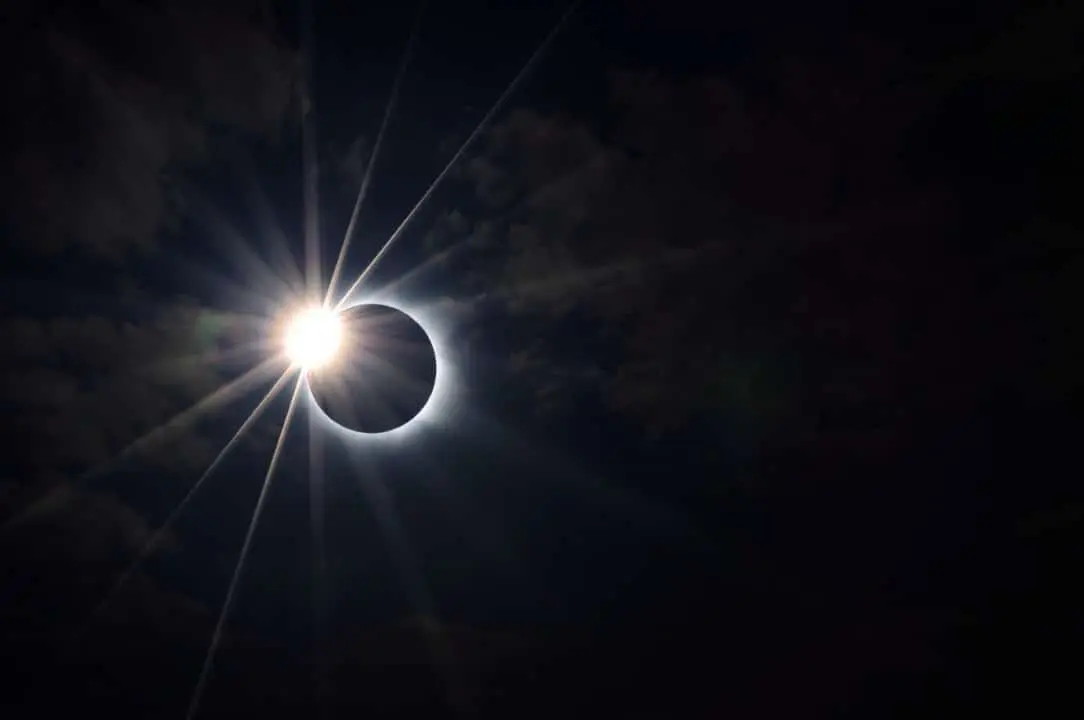
The September 21 eclipse resonates culturally, with indigenous groups tying it to seasonal renewal. Maori communities plan sunrise ceremonies, blending tradition with astronomy. Tourist bookings for the weekend are surging, with guided stargazing tours in high demand.
Scientists will use the event to study ionospheric changes and solar radiation. Polar stations, equipped with spectrometers, will capture data on light variations, aiding climate research. NASA and ESA plan live broadcasts to engage global audiences.
- Data collection targets polar ionosphere changes.
- Live streams start 30 minutes before first contact.
- Schools use 3D models to teach orbital mechanics.
These efforts bridge science and public engagement, amplifying the event’s reach.
Remote viewing options
For those outside the visibility zone, live streams from observatories offer real-time access. Platforms like YouTube and Twitch will host broadcasts with expert commentary, featuring 3D shadow animations. Apps like SkySafari simulate the eclipse accurately.
Online communities share photography tips and viewing strategies. Schools integrate the event into virtual lessons, using NASA’s free infographics to explain orbits.
- Streams begin at 17:00 UTC on astronomy channels.
- Apps provide location-specific timing adjustments.
- Free educational resources are available online.
These tools ensure global access, making the eclipse a shared experience.
Role in the Saros 154 cycle
This eclipse belongs to the Saros 154 cycle, repeating every 18 years since 1693 and continuing until 2973. The 2006 event in this cycle had similar visibility but less coverage. The next, in 2043, will be total, marking a cycle evolution.
No mesmo tema: September 7 total lunar eclipse to showcase stunning blood moon globally
Partial solar eclipses occur roughly twice yearly, but equinox alignment makes this one unique. High-latitude events like this happen every 18 months, per historical records, offering significant visual impact.
Studying these cycles refines predictions and deepens orbital understanding, supported by global observatories.