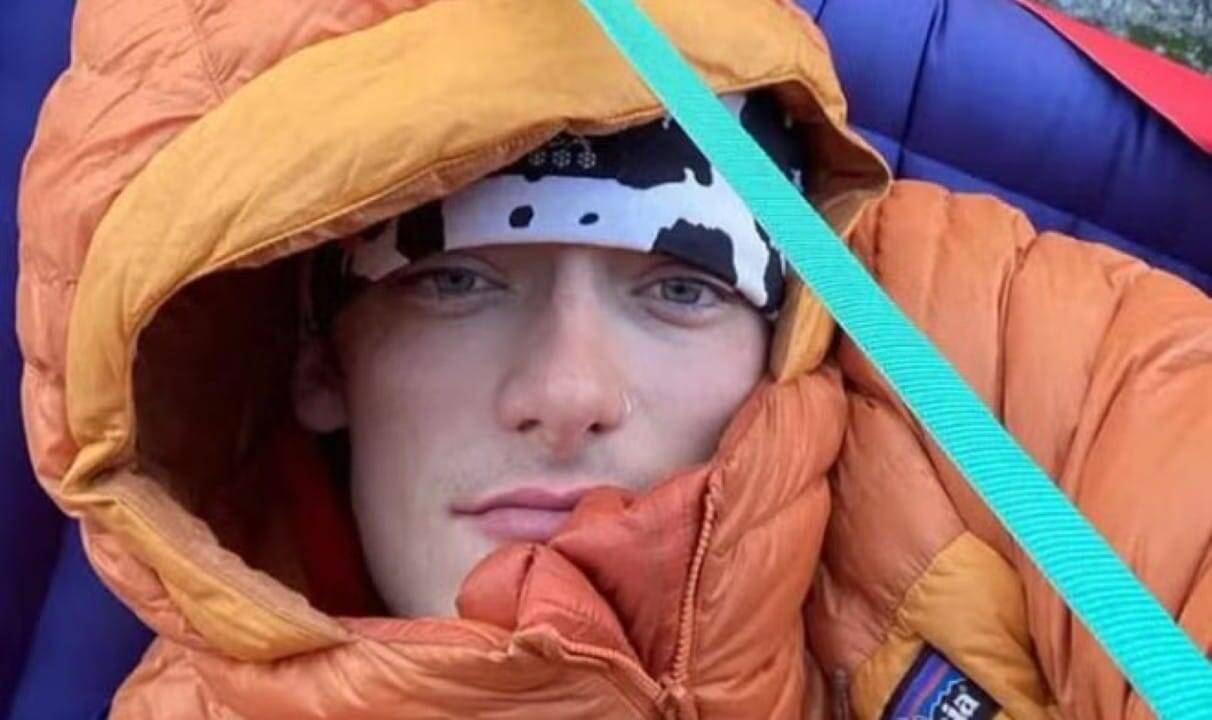
A 23-year-old climber, Balin Miller, died on Wednesday, October 1, 2025, after falling over 700 meters from the El Capitan rock formation in Yosemite National Park, California, USA. The accident happened shortly after he completed a solo rope ascent of the 730-meter Sea of Dreams route, during a TikTok live stream viewed by hundreds. Miller’s mother, Jeanine Girard-Moorman, confirmed his passing in a social media post, noting he was from Anchorage, Alaska, and passionate about mountaineering since childhood.
Park authorities recorded the incident as the third climbing-related death in the area this year, amid a government shutdown limiting visitor operations.
The broadcast captured Miller attempting to retrieve stuck gear, highlighting the inherent risks of the sport.
Early achievements of an emerging talent
Balin Miller gained prominence in the climbing community for bold 2025 feats.
In June, he completed the 2,700-meter Slovak Direct route on Mount McKinley in 56 hours, one of the world’s most technical climbs.
He also soloed routes in Patagonia and the Canadian Rockies, earning respect among peers.
Details of the Sea of Dreams accident
Miller used lead rope solo technique, allowing solo climbing with rope protection.
After reaching the top of the 5.9 A4 route, he began rappelling to collect gear bags.
One bag got stuck in a crack, forcing him to adjust his descent, leading to the fatal fall.
Ground witnesses, including photographer Tom Evans, reported park rangers responded in minutes despite operational constraints.
The incident occurred on the first day of a federal shutdown, with visitor centers closed but emergency teams active.
Yosemite’s history of incidents
Yosemite National Park averages one to two climbing deaths annually on El Capitan.
- In June 2025, an 18-year-old Texan died in a free solo on another formation.
- In August, a 29-year-old woman was killed by a falling tree branch while hiking.
- Department of Interior data shows 205 fatal falls in national parks from 2014 to 2019.
These events underscore the need for gear checks during rappels.
Solo climbing technique and its risks
Lead rope solo involves self-belay with devices like the GriGri, common in long routes.
Miller chose this method for independence, completing the climb over isolated days.
Experts note that rappel errors account for 40% of big wall accidents, per American Alpine Club records.
He arrived in Yosemite two weeks earlier, planning a family reunion post-climb.
Climbing community’s reactions
Climbers compared Miller to Alex Honnold, a pioneer of free solos on El Capitan.
His brother Dylan described him as driven by passion, not fame or financial gain.
On social media, fans called him the “orange tent guy” for his distinctive campsite, sharing memories of past streams.
A blogger, Eric, confirmed being the only observer in El Capitan’s meadow during the incident.
Safety measures in extreme routes
Knot checks on ropes prevent incomplete rappels, sometimes skipped for efficiency.
The park recommends certified guides for big walls and regular haul inspections.
In 2023, the American Alpine Club recorded eight global rappel-related climbing deaths.
Authorities emphasize training in self-rescue for solo climbs.
Miller’s live stream, watched by about 500 people in prior days, exposed the sport’s dangers in real time, serving as a practical lesson for aspiring climbers, though the focus remains on the faulty technique during gear retrieval, a routine procedure requiring absolute precision on formations like El Capitan, known for unpredictable cracks and variable winds complicating maneuvers; the young climber, who gained followers for sharing authentic journeys without commercial appeal, aimed to document the route to inspire safety, but the incident highlighted how even experts face environmental variables, like residual moisture affecting granite grip, reinforcing protocols for double-checking long descents and using backup systems, per park guidelines that, despite the shutdown, maintained emergency readiness through exempt rangers.