La Niña intensifies rainfall in November and forms ZCAS in the Southeast and Midwest Por Luís Henrique Costa
3 min de leitura
 |
La Niña should mark the climate in Brazil in November with above-average rainfall in several regions. The phenomenon facilitates the passage of cold fronts and moves humidity from the North to the Southeast and Midwest. Forecasts point to the possible formation of up to two South Atlantic Convergence Zones (ZCAS), which generate prolonged rainfall.
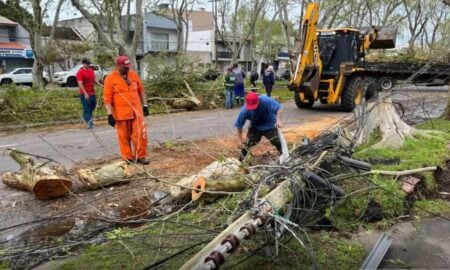
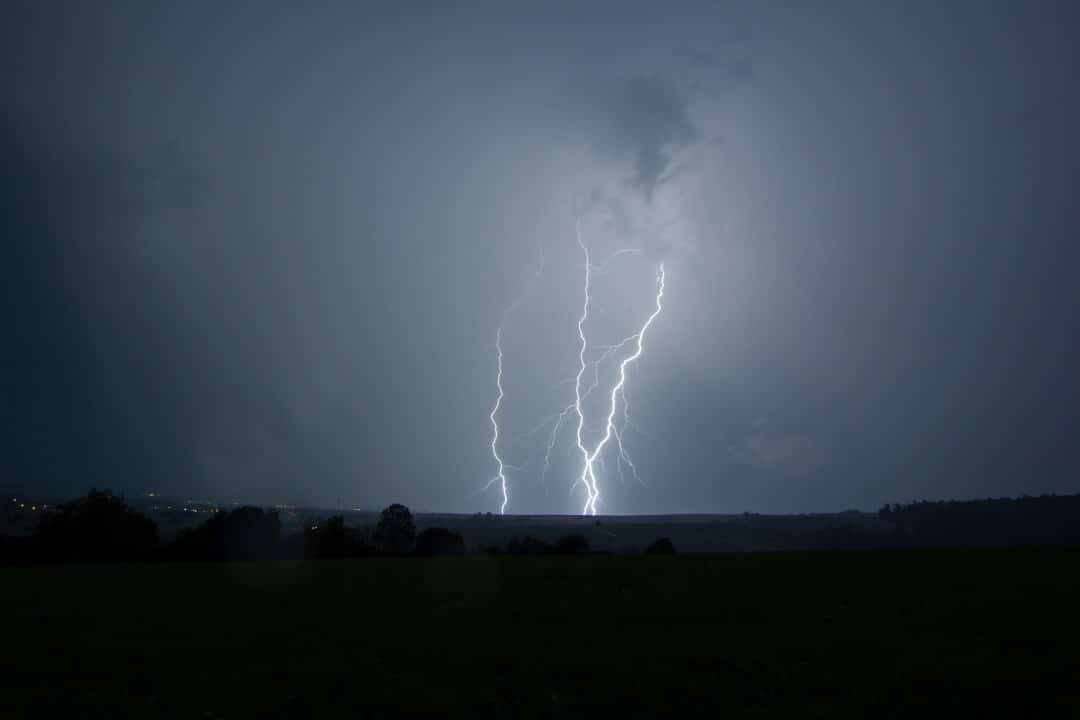
Experts indicate that the Southeast and Midwest will be the most affected areas. The combination of moist air and instability should result in frequent thunderstorms.
- Accumulated rainfall above average in Paraná.
- Constant cloudiness in São Paulo, Minas Gerais and Rio de Janeiro.
- Difficulty in rising temperatures in the Midwest due to fog.
Effects in the Southeast
Temperatures are below normal in the region. Frequent rains mark the states of São Paulo, Rio de Janeiro and Minas Gerais.
Accumulated precipitation exceeds the historical average in Paraná. Cloudiness predominates throughout the month.
Situation in the Midwest
Excessive fog prevents daytime heating. Strong storms occur in most states.
Moisture coming from the North intensifies instability. Goiás and Mato Grosso record high volumes.
Variações regionais
Nordeste mantém padrão sem alterações significativas. Bahia apresenta aumento no volume de chuvas.
Sul registra redução de temporais no Rio Grande do Sul. Precipitação fica abaixo da média em todo o estado.
Frentes frias atingem principalmente o Sul e Sudeste. Corredores de umidade se transformam em ZCAS.
Temperaturas previstas
Região Sul varia apenas no Rio Grande do Sul com quedas. Outros estados mantêm médias normais.
Centro-Oeste enfrenta dificuldades térmicas por neblina. Sudeste registra valores abaixo da média climática.
Formação de ZCAS
The phenomenon generates rain for consecutive days. Up to two humidity corridors can be configured.
La Niña facilitates the climate process. Direct impact occurs in the Southeast and Midwest with intense volumes.
Forecasts are based on analysis of ocean patterns. Equatorial Pacific has colder waters than usual, influencing global and regional climate.
Rainfall distribution
Paraná accumulates rainfall above the monthly average. Bahia in the Northeast increases rainfall records.
Rio Grande do Sul reduces episodes of storms. Other areas of the South maintain balance.
Instabilities gain strength with the passage of fronts. Moisture from the North feeds prolonged systems in central areas of the country.