Ibovespa reaches 10th consecutive record driven by global interest rates and a 28% increase in 2025 Por Jeronimo Santos
4 min de leitura
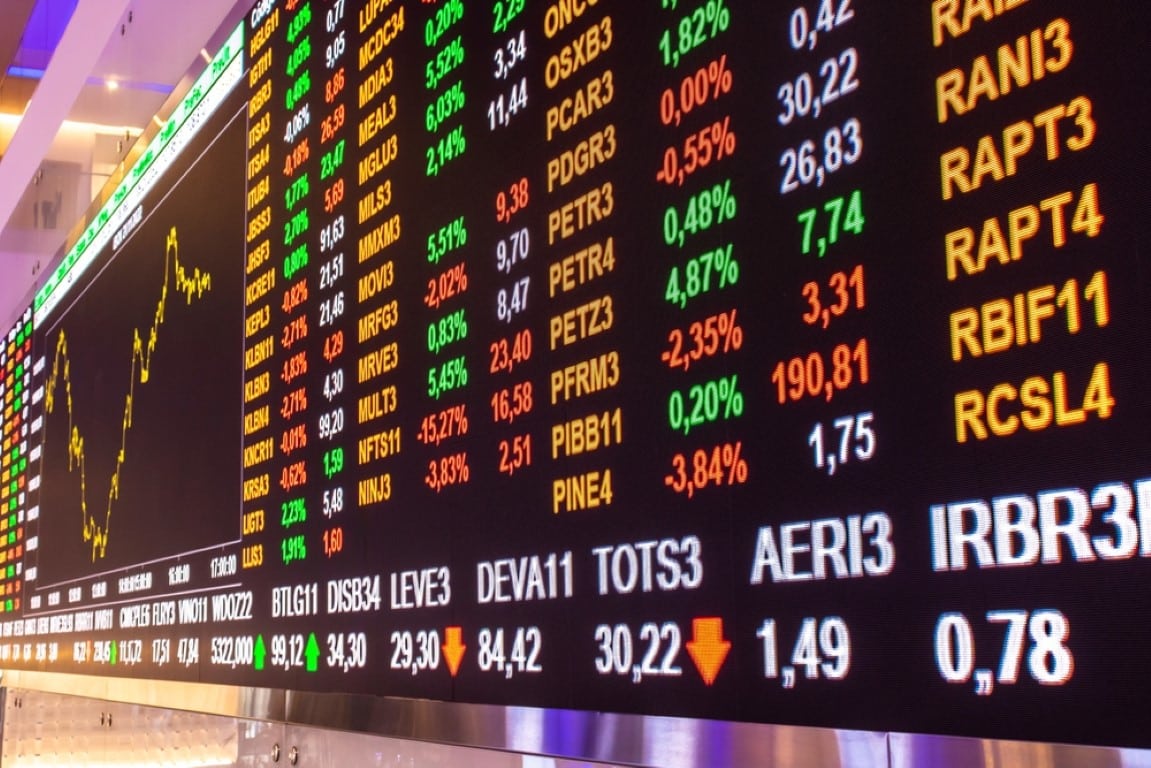 |
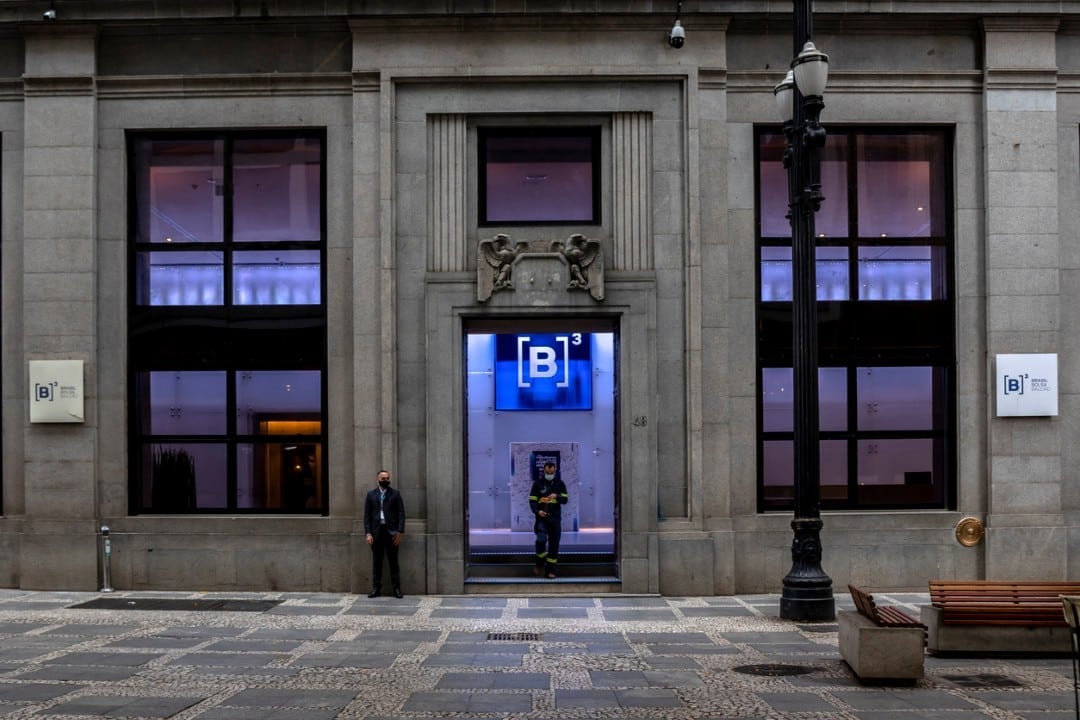
Ibovespa, the main stock index on the Brazilian stock exchange (B3), ended the week at a new historic level, recording its tenth consecutive high. The index reached 154,064 points, an increase of 0.47% on the day and an increase of 3% on a weekly basis. This appreciation movement, intensified in recent weeks, reflects an increase of 28.08% in the year, which started at 118,533 points in January. The series of records is largely attributed to external factors and the expectation of a change in national monetary policy.
The euphoria in the Brazilian capital market is largely due to the change in the stance of the Federal Reserve (Fed), the central bank of the United States. The recent reduction in the American interest rate, to the range of 3.75% to 4% per year, the lowest level since 2022, redirected the attention of foreign investors to emerging markets. The movement is a natural response to the decline in the yield on American government bonds (Treasuries), considered the safest, which encourages the search for more profitable investments and risky assets, such as Brazilian shares.
Factors drive B3’s record performance
Experts point out that maintaining the Selic rate at 15% — the highest level in almost 20 years — increases the attractiveness of the country’s real interest rate differential, making the Brazilian market more competitive for foreign capital. The prospect of future cuts in the Brazilian basic rate, although not yet confirmed for the short term, is already priced in by the market, contributing to the migration of resources from fixed income to variable income.
In addition to the global and domestic macroeconomic scenario, the performance of the index was significantcaptively driven by the rise in specific sectors. The financial sector, represented by large banks, played a central role in the appreciation, benefiting from the high Selic, which supports robust interest margins and the consistent payment of dividends.

- Shares of large banks, such as Itaú Unibanco, Bradesco and BTG Pactual, have shown a substantial increase this year.
- The good performance of commodities, including iron ore and oil, strengthened important companies on the Ibovespa.
- Positive financial statements from several companies and the slowdown in inflation are also cited as elements of momentum.
The meaning of the 150 thousand points mark for the market
Although the level of 150 thousand points does not represent a technical significance, it forms a psychological milestone that reinforces the perception of recovery and attracts greater attention to the stock market. The brand signals the gradual resumption of investors, both local and international, in variable income in the country.
This increase, which surprised most investors focused on fixed income at the beginning of the year, indicates increasing diversification and sophistication in investment portfolios. The constant flow of foreign capitaliro is the main driver, with more than half of the resources invested in the Brazilian stock market this year of international origin.
Indirect impacts on the economy and daily life
The impacts of a rising Ibovespa for the general population are mostly indirect. More valued companies are able to raise more resources through shares, which tends to encourage investment, create jobs and increase tax collection, producing a virtuous cycle for the economy.
The strengthening of the national currency against the dollar, resulting from the flow of foreign capital, can also influence the reduction in import prices and, consequently, consumer prices. Investors’ confidence in Brazilian companies is seen as an incentive for economic growth, from which everyone can benefit.
Projections and caution for the future of the index
The scenario for the coming periods is one of moderate optimism, according to market analysts. The expectation of a gradual fall in the Selic, combined with more robust economic growth, suggests that the Ibovespa could consolidate at high levels by the end of the year.
For 2026, the most optimistic projections indicate that the index could exceed 170 thousand points, with the potential to reach 180 thousand, driven by the recovery of sectors sensitive to falling interest rates, such as real estate and retail. However, macroeconomic variables and the maintenance of fiscal rules are key factors in sustaining this growth. The recommendation for investors is to maintain a long-term strategy, considering the unpredictabilityand future events.