Formula 1 2026: teams announce launch dates for cars with technical rules and hybrid engines

The 2026 Fórmula 1 season approaches with the promise of an unprecedented technical and sporting revolution. The teams are already beginning to reveal their plans to present the new single-seaters, designed under strict guidelines that aim to transform the performance and sustainability of the category. With the Grande Prêmio from Austrália to
The changes to the regulations, which come into force next year, require intense and strategic development by the teams, with a focus on more electrified power units and active aerodynamics. The anticipation of launch dates reflects the complexity of the projects and the desire of each team to control the narrative around their innovations and partnerships.
Unlike 2025, when a centralized event brought together all presentations, the next season will see teams return to individual launches, seeking greater autonomy and prominence for their projects.
First revelations: Red Bull and the partnership with Ford
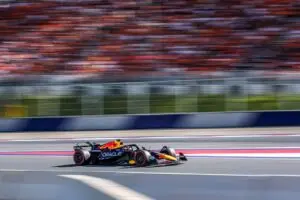
The two teams from group Red Bull Racing will be the first to display their cars for 2026, at an event scheduled for January 15th. The ceremony will take place at Detroit, at Estados Unidos, at the headquarters of Ford, the technical partner that will replace Honda in the supply of engines from the next cycle onwards. Essa choice of location symbolizes the strength of the new technical alliance with the American automobile giant, emphasizing the strategic importance of the collaboration.
The models, which have not yet been officially named, represent the first visible step in a collaboration that aims to redefine the performance and strategy of both teams in the category. The expectation is that the synergy between the aerodynamic expertise of Red Bull and the engineering capacity of Ford will result in a competitive unit from the beginning of the new regulation.
Alpine and Aston Martin: restructuring and new engine alliances
The French team Alpine is scheduled to launch on January 23rd, just a few days before the start of pre-season testing, scheduled for January 26th at the Barcelona-Catalunya circuit. The new car, called A526, will be powered by Mercedes engines, ending the own power unit project that the team has maintained since 2021. Essa transition to the Mercedes engines is part of a broad technical and strategic restructuring of the
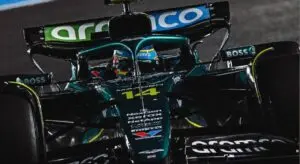
Aston Martin has scheduled its presentation for February 9th. The AMR26 model represents Adrian Newey’s first complete work as technical director of the team, generating great expectations in the paddock. The car also marks the debut of the partnership with Honda as an engine supplier, a move that Aston Martin hopes will propel it into the top ranks from 2026 onwards.
The entry of Audi and Cadillac in the grid of Fórmula 1
Audi, which takes over the structure of the old Sauber, has confirmed its launch for January, although the exact date has not yet been announced. The German brand promises a car, the R26, with black, silver and red colors, and an internally developed power unit, reinforcing its commitment to innovation and technological autonomy. The entry of Audi represents the arrival of the 11th team on the 2026 grid, adding a new dimension of competitiveness and engineering to the category.
The automaker’s project began to be outlined in 2023, with the acquisition of the Swiss team, and has in the driver Gabriel Bortoleto one of the names that make up the initial duo. The expectation is that Audi will bring a fresh approach and substantial resources to challenge established teams.
Cadillac, another new American team joining Fórmula 1 in 2026, plans to unveil its car on February 8. The date strategically coincides with the Super Bowl LX in the Estados Unidos, seeking maximum global visibility for its debut.
The 2026 technical regulation: sustainability and aerodynamics
The new rules for 2026 introduce power units with a significantly greater electrical share, reaching 50% of total power, in addition to the mandatory use of 100% sustainable fuels. Essa change aims to align Fórmula 1 with global decarbonization trends, making the category a laboratory for green technologies.
The cars will also undergo an aerodynamic redesign, with active front and rear wings that will allow for dynamic adjustments during the race. Essa innovation will allow drivers to modify drag and downforce in real time, adapting the car to different track conditions and overtaking strategies.
Leia Também

Disputa na Áustria: Russell crava pole position no GP de Fórmula 1 de 2026; saiba onde assistir nos EUA e em mais 7 países
Fórmula 1 na Áustria: confira o grid de largada, horários, clima e onde assistir ao grande prêmio

Lewis Hamilton destaca evolução da Ferrari e elogia equipe após classificação para o GP da Áustria
Reducing the size and weight of cars is another pillar of the new regulations, seeking to make single-seaters more agile and challenging to drive. Espera This decrease is expected to contribute to more exciting and unpredictable races, with greater dependence on the skill of the drivers.
The distribution of times in the wind tunnel and simulations of Dinâmica and Fluidos Computacional (CFD) will follow the current criteria, benefiting the teams that finished the 2025 championship in lower positions. Isso seeks to promote a competitive balance and provide opportunities for recovery for less established teams, encouraging diversity of performance on the grid.
News in aerodynamics and resource distribution
Active wings are not just a technological advancement, but a crucial strategic tool. Drivers will need to master managing these systems to optimize speed on straights and grip in corners, adding an extra layer of complexity to driving and engineering.
This ability to dynamically adapt cars can redefine racing strategies, with teams looking for windows of opportunity to activate low-drag modes at key moments, directly impacting overtaking and position defense.
Adaptations and challenges for teams in the new era
The transition to new power units and active aerodynamics represents a considerable technical and financial challenge for all teams. Aquelas with greater capacity for development and rapid adaptation will be able to obtain a significant advantage in the early years of the new era.
Cost management, which continues to be a limiting factor, will require teams to innovate efficiently, directing their investments to areas of greatest impact. The search for talent in engineering and aerodynamics intensifies, as teams prepare to unlock the secrets of the new regulations.
Pre-season testing, which precedes the Austrália GP, will be crucial for teams to assess the performance of their new cars and adjust initial settings. Limited time on track before the official start of the season requires each session to be maximized for data collection and optimization.
Updated car show schedule
The confirmed release dates so far for the new Fórmula 1 cars in 2026 are:
The Ferrari, Mercedes, McLaren, Haas, and