A dramatic assault unfolded on a major São Paulo highway on the afternoon of Friday, January 2, 2025, when a gang of heavily armed criminals ambushed and detonated an armored car. The incident occurred around 5:15 PM on the Rodovia Luiz de Queiroz (SP-304), near Santa Bárbara d’Oeste, heading towards Piracicaba, causing significant disruption and prompting a massive police response. Despite the powerful explosion, preliminary reports indicate the perpetrators failed to seize any valuables from the vehicle before fleeing the scene, leaving behind a trail of destruction and a swift manhunt. This brazen attack highlights persistent security challenges facing transit of high-value cargo in the region, demanding immediate and coordinated law enforcement action.
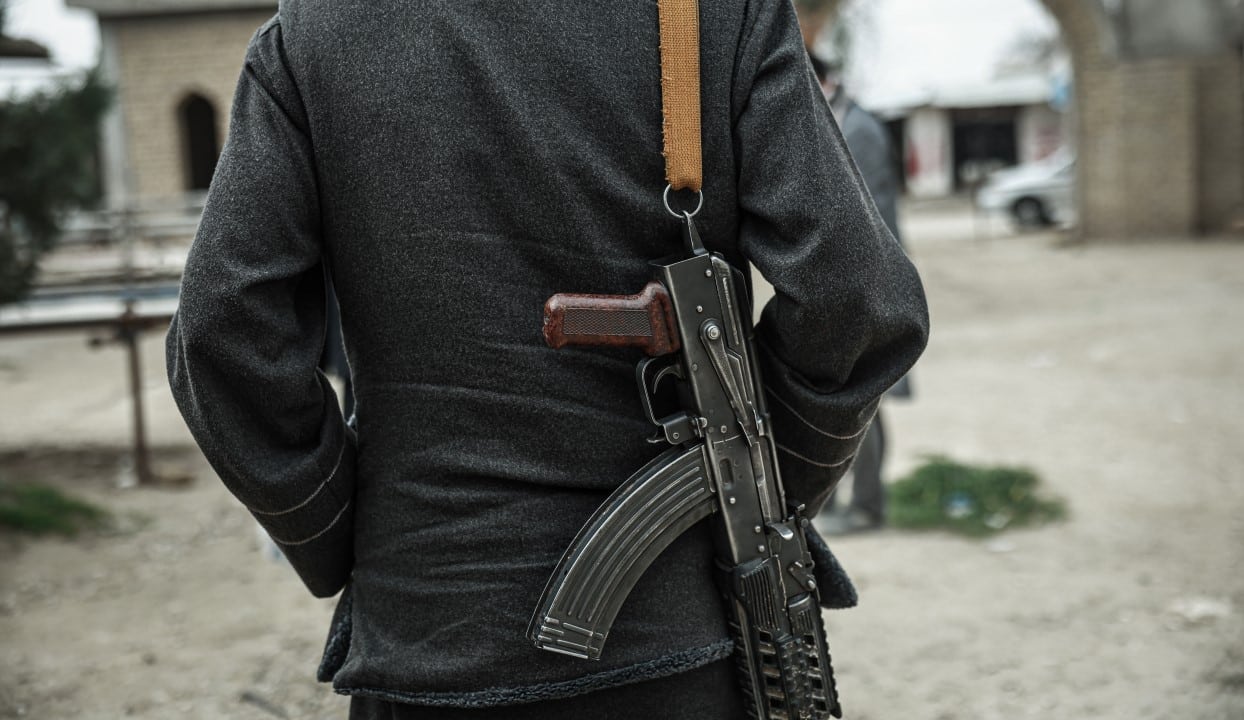
Authorities estimate approximately ten suspects participated in the sophisticated operation, equipped with an arsenal of high-caliber weapons. Their tactics underscore a disturbing trend of increased aggression in such criminal enterprises.
* Suspects reportedly armed with rifles and machine guns.
* Carried out the attack with precision, targeting the armored vehicle directly.
Vigilantes inside the armored car fortunately escaped the incident unharmed, a crucial detail confirming the immediate priority of safety during such high-risk situations. Emergency services and law enforcement quickly secured the perimeter, initiating investigations into the exact sequence of events.
The brazen attack unfolds
The coordinated assault involved a calculated maneuver to stop the armored transport, followed by the deployment of explosives to breach its reinforced structure. Eyewitness accounts suggest a rapid and aggressive confrontation, indicating a high level of organization and preparation from the criminal group involved.
This method of attack, involving explosives, is typically employed by sophisticated criminal organizations aiming for maximum damage and quick access to valuable contents, even if the attempt ultimately proved unsuccessful in this particular instance. The scene depicted a vehicle severely damaged by the detonation.
Police response and ongoing manhunt
Following the incident, teams from the Military Police were immediately dispatched to the scene, establishing a wide perimeter and initiating ground searches. The rapid deployment demonstrates the urgency with which authorities are treating this high-profile crime.
Crucially, the elite Águia helicopter unit was also activated, providing aerial support to scour the vast rural and urban areas surrounding the highway for any sign of the fleeing suspects. This comprehensive deployment utilizes advanced surveillance capabilities to track movements and potential escape routes.
Multiple police units are now actively engaged in a large-scale manhunt across the region. Investigations into the exact circumstances of the attack are underway, with forensic experts examining the site for crucial evidence that could lead to the identification and apprehension of the criminals.
Unscathed security personnel
The armored car’s security personnel emerged from the violent encounter without physical injuries, a testament to the vehicle’s defensive capabilities and perhaps their own training under extreme pressure. Their safety is a key factor in assessing the overall outcome of the failed robbery.
Regional patterns of organized crime
Incidents involving heavily armed groups targeting armored vehicles are not isolated in Brazil, particularly in the interior regions of São Paulo state, where vast distances and strategic highway networks can sometimes offer perceived advantages for criminal operations. Organized crime syndicates often employ advanced planning and substantial resources, including high-powered weaponry and sophisticated communication systems, to execute such large-scale robberies, posing a significant challenge to law enforcement agencies tasked with maintaining public safety and securing valuable cargo transport routes. These groups frequently exploit detailed intelligence on transport schedules and routes, relying on extensive surveillance to maximize their chances of success, although this particular operation did not yield the desired financial outcome.
Impact on highway security protocols
This incident is prompting a renewed focus on existing security protocols for armored transport services operating on major highways. Companies and authorities are likely reviewing current procedures to identify vulnerabilities and implement enhanced preventative measures against similar future attacks.
The use of explosives necessitates an evaluation of materials and structural resistance in current armored vehicles, alongside the implementation of advanced counter-measures and rapid response strategies that can effectively neutralize such threats during transit.
Details of the explosive device
While specific details about the type of explosive used remain under investigation, the clear force of the detonation suggests a powerful industrial-grade or military-grade explosive was deployed. This level of weaponry signifies access to sophisticated illicit markets.
Forensic teams are meticulously collecting fragments and residue from the blast site to determine the precise chemical composition and origin of the explosive device. This information is critical for tracking supply chains and identifying criminal networks.
The deployment of such destructive power on a public highway also raises concerns about potential collateral damage and the safety of innocent bystanders, emphasizing the reckless disregard for human life exhibited by the perpetrators during the attack. Understanding the explosive’s characteristics will aid law enforcement in developing targeted intelligence, potentially linking this incident to other similar occurrences or known criminal groups.
Community safety measures
Local residents and regular commuters along the Rodovia Luiz de Queiroz are advised to remain vigilant and report any suspicious activities to authorities immediately. The ongoing police operation prioritizes public safety during the extensive search efforts.
Heightened security presence is expected in the coming days along critical transport routes, with increased patrols and surveillance aiming to deter further criminal acts and restore a sense of security within the affected communities.