

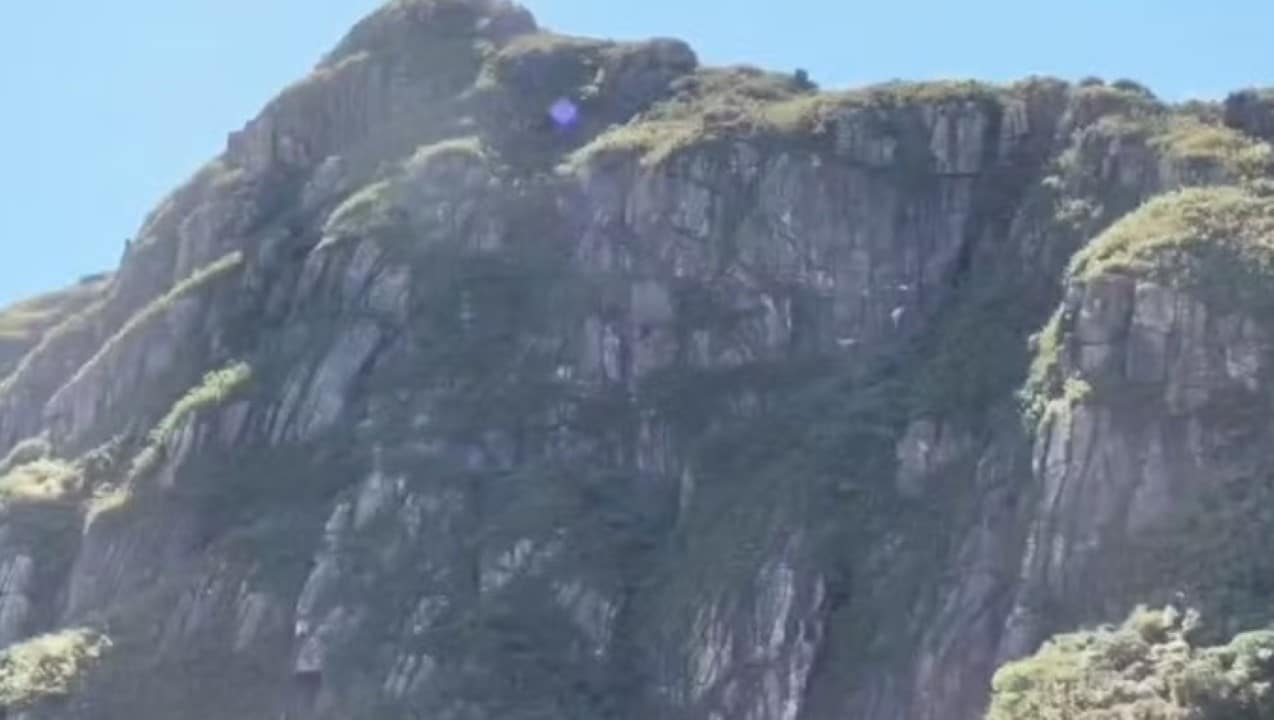
Roberto Farias Thomaz, 20, was found alive on January 5, 2024, after being lost for four days on Pico Paraná, Brazil’s highest southern peak. The incident underscored the extreme conditions and inherent risks of its steep trails and variable temperatures. His dramatic rescue has reignited warnings from state authorities about the essential preparations needed for mountaineering in 2025.
The successful location of Roberto Farias Thomaz concluded a four-day search operation in the challenging terrain of Pico Paraná, a critical area for mountaineering in Southern Brazil. His disappearance since January 1 highlighted the inherent risks associated with one of Brazil’s most demanding trails, drawing significant public attention and a comprehensive rescue effort. This incident serves as a crucial case study for understanding the dangers and the necessity of rigorous preparation for any expeditions into high-altitude environments in 2025.
The Pico Paraná, situated within the Parque Estadual Pico Paraná in the Serra do Mar mountain range, stands as the highest point in Brazil’s Southern region, reaching an elevation of 1,877 meters (approximately 6,158 feet). This prominent peak is renowned for its steep trails and significant temperature fluctuations. It is also surrounded by other high-altitude summits, including:
* Caratuva (1,852 m)
* Ibitirati (1,846 m)
* Itapiroca (1,799 m)
* Camapuã (1,699 m)
* Tucum (1,739 m)
Brazil’s southern summit environment
The region around Pico Paraná is predominantly covered by the Floresta Ombrófila Densa, known as the Atlantic Forest. This vital biome exhibits distinct changes with increasing altitude, notably a decrease in the stature of trees as elevations rise. This creates a varied and challenging landscape that can be both beautiful and deceptively difficult for hikers.
Navigating this changing vegetation, from dense forest to more open, wind-swept areas near the summit, requires hikers to be adaptable and constantly vigilant. Effective navigation is crucial as the environment can be disorienting, and rapid environmental shifts demand careful attention to safety and trail markers.
Managing abrupt weather shifts
Pico Paraná’s mountainous environment is infamous for its sudden and dramatic shifts in weather, a critical factor hikers must prepare for in 2025. Days often experience high temperatures, escalating the risk of heatstroke, while nights can bring severe cold, posing a significant threat of hypothermia. Versatile clothing and careful planning are essential for these rapid changes.
Furthermore, the area has a high likelihood of unexpected thunderstorms or heavy rainfall. These weather events not only cause abrupt temperature drops but also drastically reduce visibility, making trail navigation extremely perilous. The combination of cold, wet conditions and poor visibility heightens the risk of disorientation and medical emergencies.
Given these inherent dangers, the Government of Paraná strictly advises that tourists undertaking trails classified with moderate or higher risk of severe accidents possess documented experience in mountaineering. This expert endorsement underscores the necessity of specialized skills for safely tackling the park’s more formidable routes.
Mandatory registration & hiker readiness
All visitors planning to explore the Parque Estadual Pico Paraná are required to complete an obligatory registration process at the base of the IAT (Instituto Terra e Água), the governing body for the park. This measure is essential for tracking visitors and ensuring that appropriate rescue efforts can be mobilized effectively in case of emergencies, thereby enhancing overall safety for everyone accessing the trails in 2025.
The Government of Paraná consistently recommends that all frequenters of the park possess a good level of physical conditioning. Visitors are strongly advised to begin with shorter, less demanding trails to assess their physical limits and gain essential experience before attempting more challenging ascents. Understanding personal endurance and skill levels is paramount for safe mountaineering.
Roberto Thomaz’s challenging rescue
Roberto Thomaz’s rescue culminated on January 5, 2024, when he independently made his way to the mountain’s base, reaching a farm in Antonina Cacatu after covering over 20 kilometers. His arduous journey followed a New Year’s Eve ascent with a friend from Campina Grande do Sul. Reports indicated Thomaz experienced vomiting during the climb to the summit.
The pair reached the summit around 4:00 AM on January 1, where they decided to rest briefly and encountered two other groups of people. After approximately two hours, Thomaz and his companion began their descent. They paused at a specific point on the peak.
The second group, which had remained at the summit, also began their descent shortly thereafter and passed the point where the young man and his friend had stopped. However, they did not find Roberto Thomaz there, signaling his separation from his companion.
This disappearance triggered an extensive four-day search operation. The efforts involved the Paraná Fire Department, aircraft equipped with thermal cameras, dedicated volunteers, and drones with infrared sensors, all committed to locating the missing hiker in the challenging mountain environment.
Critical trail navigation tips
To mitigate the inherent dangers of the Pico Paraná trails, authorities have established clear guidelines that are vital for preventing disorientation and accidents, emphasizing preparedness for unexpected conditions. Adhering to these safety measures is a critical component of a responsible and successful hiking experience in the challenging mountain range. Hikers should: maintain presence on the principal trail, typically wider and more defined; follow all trail markings, immediately retracing steps if markings disappear; always choose the path that appears main at unmarked bifurcations; return the way they came if unsure of the correct path; and avoid beginning hikes late, always starting as early as possible to maximize daylight.
Enduring lessons for mountaineers
The successful rescue of Roberto Thomaz, while a story of relief and resilience, serves as a powerful testament to the formidable challenges presented by Pico Paraná. It reinforces the urgent call from authorities for all hikers to adhere strictly to safety protocols, understand their limitations, and always be thoroughly prepared for the unpredictable nature of high-altitude trekking in 2025.




