Brazilian federal government articulates guarantee fund to lower critical mineral financing costs for industry Por Luís Pereira
5 min de leitura
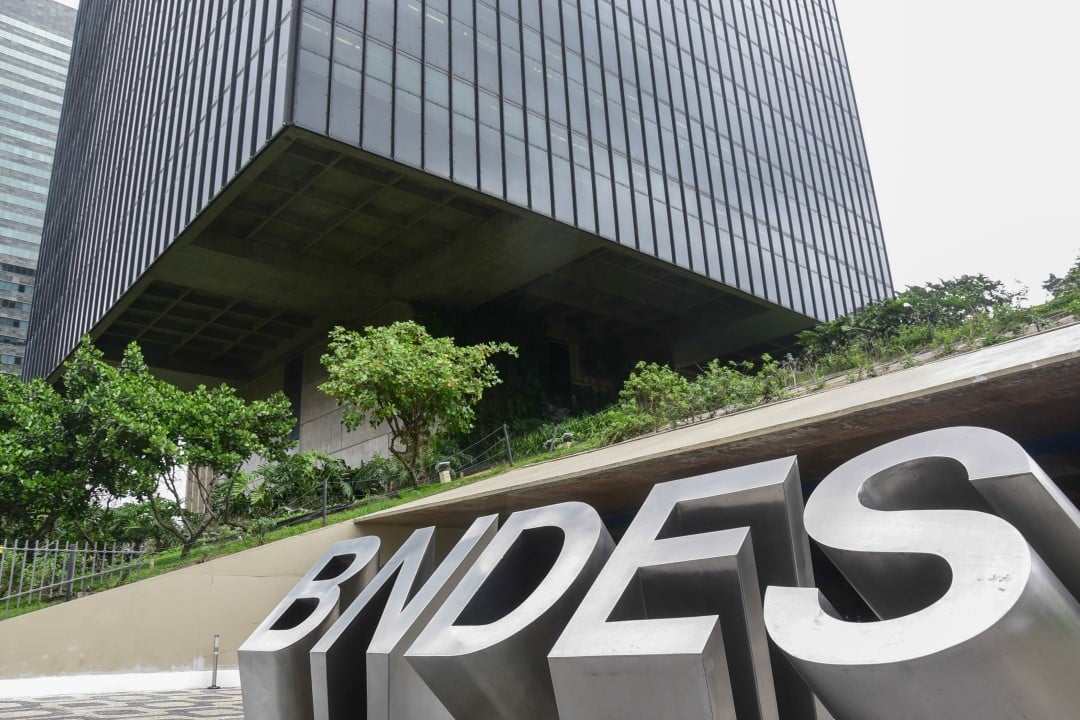 |
The Brazilian federal government, in collaboration with the National Bank for Economic and Social Development (BNDES) and key mineral sector representatives, is actively structuring a guarantee fund designed to alleviate a significant hurdle in advancing critical mineral projects across Brazil. This initiative targets the pervasive difficulty in accessing long-term financing, primarily due to insufficient collateral from many mining companies. The lack of robust guarantees often impedes the development of strategic mineral resources crucial for global energy transition and high-tech industries.
Many mining enterprises, particularly small and medium-sized operations, frequently encounter substantial obstacles when attempting to secure capital. They often lack the consolidated assets, consistent cash flow, or extensive operational history typically required by traditional financial institutions. This situation creates a financing gap that inhibits the growth and scaling of promising ventures within the country’s mineral landscape.
The challenge is particularly pronounced for critical mineral projects, such as rare earths, which inherently demand substantial capital outlays, protracted maturation periods, and navigating complex geological, technological, and market uncertainties. These factors collectively heighten the perceived risk for potential financiers, subsequently escalating borrowing costs or entirely precluding access to necessary funds.
Bridging the Financing Gap
The proposed guarantee fund aims to act as a crucial risk mitigation mechanism, providing complementary assurances for credit operations and thereby decreasing the exposure of banks and investors. This strategic intervention is anticipated to enable projects to secure financing under terms more aligned with the extended cycles inherent to the mining industry. Such conditions would include more favorable, lower interest rates and longer repayment periods, making large-scale investments more viable and attractive.
Technicians involved in the ongoing discussions underscore the vital role of this instrument in harmonizing financing structures with the specific realities of the strategic mineral sector. The absence of such tailored support has historically compelled many Brazilian companies to seek funding from foreign governments, frequently tied to “offtake” agreements that guarantee future mineral sales. While these arrangements facilitate immediate investments, they can potentially limit Brazil’s capacity to internalize more sophisticated stages of the value chain and capture greater added value from its domestic production.
Focus on Junior Companies
Initially, the fund is expected to primarily target “junior companies,” which are typically small and medium-sized firms concentrating on the exploration and development phases of projects before commercial production begins. These entities represent a significant portion of the strategic investments in rare earths across Brazil and are instrumental in advancing promising new ventures. However, they face the greatest challenges in securing credit precisely because they are not yet generating revenue and are heavily reliant on venture capital or external investors.
The BNDES assesses that establishing this guarantee fund can effectively unlock a critical structural bottleneck in the industry. By expanding access to credit, it aims to create the necessary conditions for Brazil to progress beyond mere mineral extraction. The long-term vision is to solidify the nation’s position as a prominent hub for the processing and industrialization of critical minerals, thereby enhancing its role in the global supply chain. This move is seen as essential for fostering a more integrated and value-added mineral sector domestically.
Global Precedents and Strategic Importance
Experts from the BNDES highlight that leading mineral-producing nations like Australia and the United States have already implemented structured public guarantee policies and targeted financing initiatives for similar projects. This global trend reinforces the pressing need for Brazil to develop comparable financial instruments to remain competitive and strategically relevant in the international mineral market. Such policies allow these countries to de-risk investments in vital mineral resources, securing their supply chains and technological advancements.
The proposed fund signifies a proactive governmental approach to strengthen Brazil’s position in the global critical minerals arena. It directly addresses systemic financial barriers that have hindered domestic resource development, fostering an environment where innovation and strategic investments can thrive. By learning from international best practices, Brazil seeks to cultivate a robust and self-reliant critical mineral sector, mitigating reliance on external financing and enhancing national economic resilience.
Economic Impact and Future Outlook
The implementation of this guarantee fund is anticipated to have a profound positive impact on Brazil’s economic landscape, especially within regions rich in critical minerals. It promises to stimulate local economies by attracting new investments, generating employment opportunities, and fostering technological innovation. As junior companies gain better access to capital, they can accelerate their project timelines, bringing critical resources to market more efficiently.
* Increased Investment: Facilitating easier access to credit is expected to draw both domestic and international investors to Brazil’s critical mineral sector.
* Job Creation: New projects and the expansion of existing ones will lead to the creation of skilled and semi-skilled jobs across the mining and processing value chains.
* Technological Advancement: Enhanced funding can support the adoption of advanced exploration, extraction, and processing technologies, improving efficiency and sustainability.
* Value Addition: By enabling domestic processing, Brazil can move up the value chain, exporting processed minerals rather than raw ore, thereby increasing revenue and economic diversification.
This strategic move is poised to transform the critical mineral landscape in Brazil for 2025 and beyond. By removing financial hurdles, the government aims to empower a new generation of mining companies and ensure the country plays a pivotal role in meeting the growing global demand for these essential resources. The fund represents a commitment to national development, economic sovereignty, and leadership in a strategically vital global industry.