IPhone 17’s new anti-glare technology makes regular screen protectors completely ineffective

In September 2025, Apple introduced the new iPhone 17 line, which introduced an innovative glass technology called Ceramic Shield 2. Contudo, the innovation brought an unexpected consequence to the vast accessories market.
Rigorous technical testing revealed that the use of conventional screen protectors completely negates the benefits of the new coating. The technology, which reduces the display’s reflection rate to just 2.0%, is severely hampered by the application of common films, causing the reflectivity to jump to 4.6%, a rate higher than even that of the iPhone 16 Pro, which registered 3.8%.
The reveal took place during the company’s launch event on Cupertino, Califórnia. The main motivation for the Apple was to combine greater durability with a superior viewing experience in any environment, but the technical decision raises a debate about the backwards compatibility of one of the most popular smartphone accessories.

Anti-reflective coating explains incompatibility
The explanation for the ineffectiveness of traditional films lies in the complex engineering of the Ceramic Shield 2. The glass was developed with multiple optical layers that are precisely calibrated to interact directly with the air. Essa interaction is essential to disperse ambient light and minimize reflections. By applying a protective sticker, a physical barrier is created, interrupting this essential contact and altering the path that light takes before reaching the display, which effectively doubles the amount of reflections perceived by the user.
More on this story: IPhone 17 incorporates anti-glare Ceramic Shield 2 and makes common screen protectors unviable
Display experts point out that the adhesive (glue) used in most screen protectors alters the optical interface of the set. The chemical composition and thickness of these adhesives were not designed to work with the new Apple coating. Embora or Ceramic Shield 2 offer three times greater scratch resistance than their previous version, incompatibility with third-party accessories forces manufacturers to quickly adapt so as not to lose relevance in the market.
Optical performance in numbers
Quantitative tests clearly demonstrate the impact of the new technology on daily use. In conditions of intense sunlight, an iPhone 17 without film maintains superior image contrast, reaching peak brightness of up to 3,000 nits, ensuring readability even in the most challenging environments.
Comparative data indicates that protectors without dedicated anti-glare treatment not only reverse improvements, but also negatively impact screen clarity in around 20% of the scenarios analyzed. Apple’s decision to prioritize this evolution aims to directly serve users who use their devices in outdoor environments, such as busy streets or offices with intense artificial lighting.
Field reports corroborate the greater resistance of glass to everyday damage, such as contact with keys and coins in your pocket. However, applying any film, even compatible ones, requires greater precision to avoid the formation of air bubbles, which can create distortion points and further amplify unwanted reflections.
The entire iPhone 17 line now comes equipped with OLED displays with 120Hz ProMotion technology, standardizing the fluid experience across all models. Essa uniformity, although beneficial, reinforces the need to choose accessories that are aligned with the new technical specifications so as not to compromise image quality.
Viable alternatives for protection
The accessories market’s response was immediate, with the emergence of screen protectors that have their own built-in anti-reflective coating. Specialized Marcas already offer films and tempered glass that replicate the Apple technology, managing to maintain the reflection rate close to the device’s original 2.0%.
These new products use ultra-thin optical adhesives, designed not to interfere with the Ceramic Shield 2 layers and ensure perfect, bubble-free adhesion. Prices for these specialized accessories range from $20 to $40, an amount considered affordable to protect a significant investment.
See Also


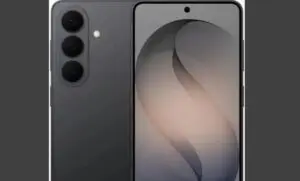
Learn more: IPhone 17 gets Ceramic Shield 2 with anti-glare protection that nullifies common screen protectors
Installation kits have been improved, including alignment tools that facilitate precise application in minutes. The wide availability of these products in online stores is accelerating the transition for consumers who do not give up extra protection, but also want to take advantage of the full visual capacity of the new display.
Impact on the accessory ecosystem
The accessories market is quickly adapting to meet the new demand generated by the Ceramic Shield 2. Grandes manufacturers and resellers are already updating their catalogs and stocks, with a special focus on ensuring compatibility with all models, including the iPhone
This change forces the sector to innovate, driving the development of new materials and optical technologies. In the end, consumers are the biggest beneficiaries, as they now have access to a wider range of options that balance physical protection and visual performance, avoiding the frustration of having a high quality screen overshadowed by an inadequate accessory.
Screen design and built-in durability
The design of the iPhone 17 line has been refined to maximize the visual experience. The standard model now has a 6.3-inch OLED screen with even thinner bezels, resulting in a 5% increase in usable area compared to the previous generation. The Ceramic Shield 2 is not only present on the front, but also on the back of the device, offering robust protection against drops of up to two meters onto hard surfaces. Essa full coverage is designed to resist side impacts and twisting, common problems in daily use. Testes laboratory tests, simulating 1,000 cycles of intense use, confirmed that the structural integrity of the device is maintained. The innovation extends to the iPhone 17
Recommendations for early adopters
For new owners of an iPhone 17, the main recommendation is to opt for screen protectors that are certified or that clearly specify compatibility with the anti-reflective coating. Antes of any application, it is crucial to clean the screen with a microfiber cloth to remove dust and oil, ensuring perfect adhesion.
Furthermore, it is important to keep the operating system up to date, as the Apple may release updates in iOS 19 to further calibrate the display and optimize anti-glare performance in specific applications, such as photo and video editing.
On the same topic: New Apple smartphone hits the market with 5.5 mm and liquid glass screen
Technical evolution of glass
The Ceramic Shield technology is the result of a long journey of innovation. Inicialmente developed in partnership with Corning, Apple has advanced to create proprietary formulations that incorporate ceramic nano-crystals directly into the glass matrix, providing exceptional rigidity. The second version adds advanced polymers capable of dissipating impact energy, resulting in crack resistance four times greater than that of conventional smartphone glass.