
STF resumes crucial Banco Master fraud depositions this week; Toffoli’s role sparks institutional tensions.

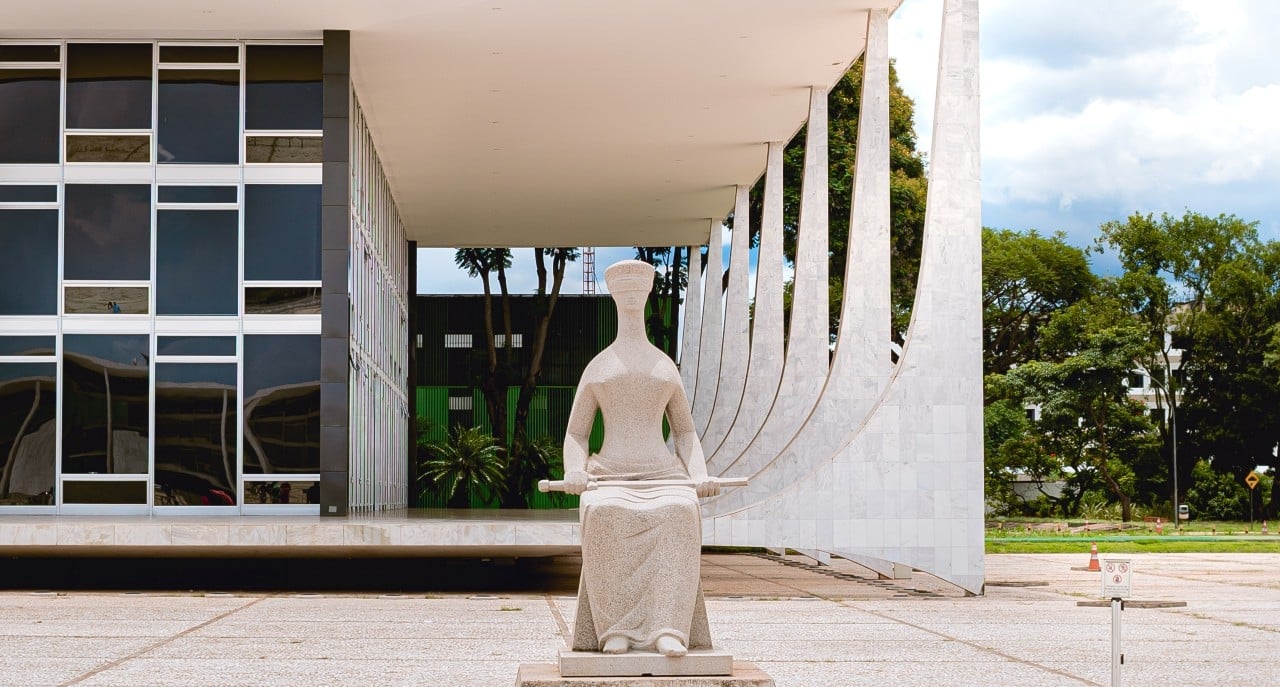
STF resumes crucial Banco Master fraud depositions this week; Toffoli’s role sparks institutional tensions.
Brazil’s Supreme Court (STF) has recommenced depositions in the high-stakes inquiry investigating extensive fraud at Banco Master. These critical testimonies are scheduled to proceed this Monday, January 26, and continue through Tuesday, January 27, marking a pivotal moment in the ongoing judicial process.
Minister Dias Toffoli, the rapporteur for the complex case, authorized the current two-day schedule for the hearings, significantly reducing the timeline originally requested by the Federal Police (PF). This decision has notably exacerbated institutional tensions between the Supreme Court and the federal law enforcement agency, adding another layer of controversy to the investigation.
The inquiry’s resumption comes amidst a backdrop of increasing scrutiny over the judicial proceedings, with potential shifts in jurisdiction being considered and concerns rising within the judiciary regarding the court’s public image. The outcome of these depositions is expected to provide crucial insights into the alleged financial irregularities.
Supreme court intensifies fraud inquiry
The resumed inquiry involves a diverse group of individuals, with eight executives slated to provide testimony over the two-day period. These include key partners from Banco Master, senior executives from Banco de Brasília (BRB), and a director associated with a company purportedly linked to the intricate fraudulent scheme under investigation.
The logistics for these crucial depositions vary, with some individuals scheduled to appear in person at the STF headquarters in Brasília. Others will provide their testimony remotely via videoconference, a method that facilitates broader participation while adhering to current judicial procedures and operational considerations.
Key executives scheduled for testimony
On Monday, January 26, four individuals are set to depose via videoconference, bringing diverse perspectives to the probe. These include Dário Oswaldo Garcia Junior, the financial director of BRB, and André Felipe de Oliveira Seixas Maia, a director from a company under investigation in connection with the alleged scheme.
Also testifying remotely that day will be Henrique Souza e Silva Peretto, an entrepreneur, and Alberto Felix de Oliveira, the executive superintendent of treasury at Banco Master. Their testimonies are anticipated to shed light on the financial mechanisms and operational procedures within the implicated entities.
Tuesday, January 27, will feature a mix of in-person and remote testimonies. Robério Cesar Bonfim Mangueira, the superintendent of financial operations at BRB, and Luiz Antonio Bull, Banco Master’s director of risks, compliance, HR, and technology, are scheduled to appear physically before the court.
Concluding the round of hearings, Angelo Antonio Ribeiro da Silva, a partner at Banco Master, will depose via videoconference, while Augusto Ferreira Lima, a former partner of Master, is expected to provide an in-person testimony. The breadth of roles among those being heard underscores the comprehensive nature of the ongoing investigation.
Toffoli’s contentious procedural decisions
Minister Toffoli’s decision to curtail the Federal Police’s requested timeline for collecting testimonies has created significant friction and further strained relations between the STF and the PF. This move is seen by some observers as a manifestation of the minister’s growing skepticism regarding the police force’s handling of the investigation. The situation escalated further when Toffoli mandated that the forensic analysis of materials seized during the recent phase of Operation Compliance Zero would be conducted by the Prosecutor General’s Office (PGR). To further complicate matters, he independently selected four experts from the Federal Police to monitor this process, a choice made without input or suggestions from the police corporation itself, highlighting a rare level of judicial intervention.
Federal Police faces scrutiny and mandate changes
The Federal Police currently operates under a 60-day deadline to deliver a comprehensive report detailing the evidence collected and identifying potential individuals for indictment in the Banco Master fraud case. This timeframe, however, remains subject to potential postponement requests, reflecting the intricate and often protracted nature of such high-profile investigations. The constraints imposed by the court, particularly those related to the shortened deposition schedule and the transfer of forensic analysis, significantly challenge the PF’s operational autonomy.
These procedural shifts underscore the broader implications for the Federal Police, as their traditional investigative methods and timelines are being redefined by judicial directives. The ongoing case has therefore become a critical test for the balance of power and institutional cooperation between Brazil’s top court and its primary law enforcement agency, impacting how future complex investigations might be managed.
Potential shift in jurisdiction
A significant development in the Banco Master fraud inquiry is Minister Toffoli’s active consideration of potentially remitting the entire investigation to the first instance of the Justiça Comum, or common justice system. This move would represent a substantial change in the procedural course of the case, which had initially been deliberated at that lower judicial level until late last year.
The case’s elevation to the STF, and specifically to Minister Toffoli’s purview, was solely triggered by the alleged involvement of a federal deputy. This individual’s position grants them “foro privilegiado,” or privileged jurisdiction, meaning their cases must be heard directly by the Supreme Court. Should the investigation be devolved, it would signal a reassessment of the deputy’s direct involvement or a strategic procedural maneuver by the court.
The implications of such a transfer are profound, as the first instance of justice typically handles a vast array of cases and operates under different procedural protocols than the Supreme Court. This potential shift highlights the intricate legal mechanisms at play when high-ranking officials are implicated in criminal investigations.
Internal court discomfort and image concerns
The stream of orders issued by Minister Toffoli since December has generated notable discomfort within the Federal Police and, increasingly, among his fellow justices on the Supreme Court. Discussions are reportedly underway behind the scenes to explore strategies that could mitigate further damage to the Court’s institutional image, reflecting internal concerns about the recent procedural decisions and their wider impact.
STF, Banco Master, fraud investigation, Dias Toffoli, Federal Police, judicial tension, corporate fraud in Brazil, high-profile testimonies



