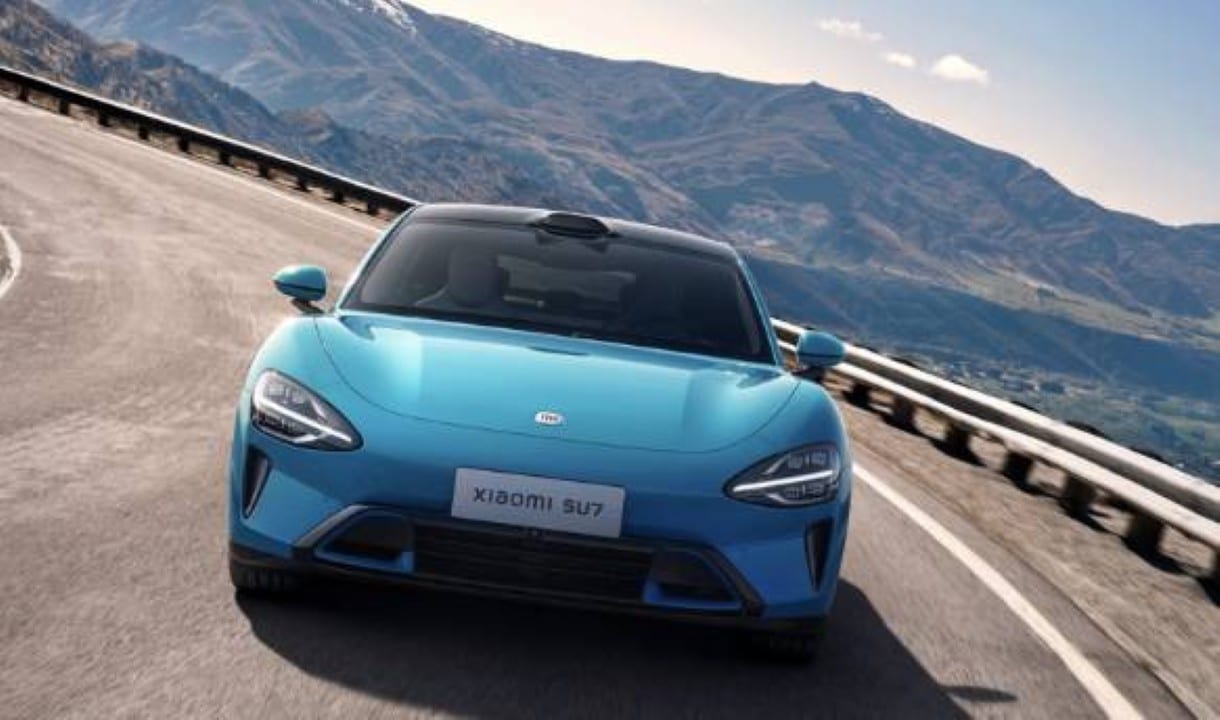
A significant change has been recorded in the China competitive electric vehicle market, the largest in the world. The SU7 sedan, the technology giant’s debut launch Xiaomi, surpassed the established Tesla Model 3 in annual sales, redefining expectations and intensifying competition between local and international manufacturers.
This milestone not only represents a commercial success for Xiaomi in its first foray into the automotive sector, but also signals a new phase in the fight for Chinese consumers’ preference. The meteoric rise of the SU7 is attributed to a combination of design, advanced technology and a pricing policy calculated to directly challenge the segment leaders.
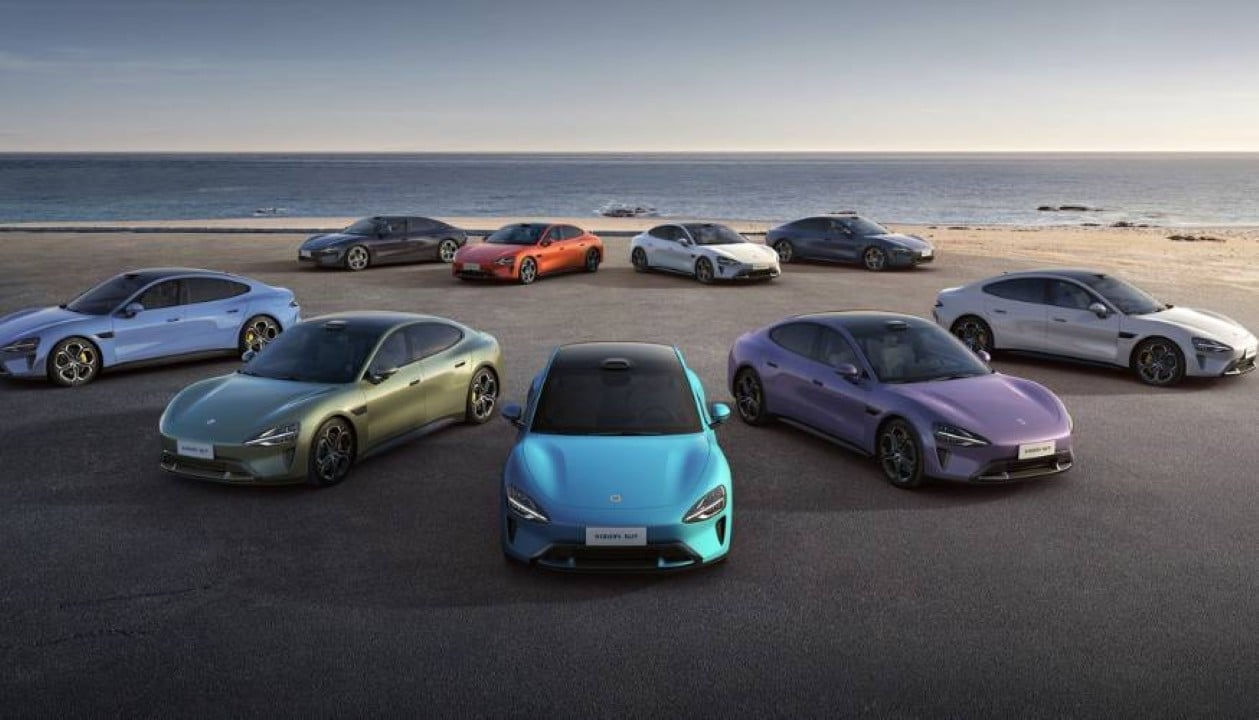
Consolidated sales data shows that Xiaomi delivered a higher volume of SU7 units compared to Model 3 in the last twelve month period. The feat is remarkable, considering that the Tesla model has been a sales reference in the country since the beginning of its local production in 2019, establishing a dominance that is now challenged by a new and powerful competitor.
Xiaomi’s aggressive strategy to conquer the market
Xiaomi’s entry into the automotive sector was marked by a multifaceted approach, focused on generating an immediate impact. The company used its vast experience in the consumer electronics market to create a launch campaign that generated huge anticipation, resulting in tens of thousands of orders within the first few hours after sales opened.
One of the pillars of the strategy was competitive pricing. The entry-level SU7 model was positioned slightly below the value of the Tesla Model 3, offering a technology and performance package that appealed to consumers looking for a more cost-effective alternative without sacrificing premium features.
In addition to the price, Xiaomi invested in the integration of the vehicle with its product ecosystem. The car’s operating system, HyperOS, allows for fluid connection with the brand’s smartphones, watches and smart home devices, creating a unique selling point that Tesla and other traditional automakers do not have.
The company also invested heavily in a network of showrooms in shopping malls and high-traffic locations, taking advantage of its already consolidated retail presence to quickly reach a large number of potential customers, familiarizing the public with its new product in an agile and efficient way.
SU7 performance and technology in detail
The Xiaomi SU7 not only stands out for its price, but also for its technical specifications and innovations. The vehicle is built on an 800V architecture, which allows ultra-fast recharges, an important differentiator for user convenience. The entry-level version offers a range of up to 700 kilometers in the CLTC cycle, while the most powerful version promises a range of over 800 kilometers, numbers that compete directly with the best in the segment.
In terms of performance, the SU7 The car also incorporates advanced driver assistance technologies, including a high-precision LiDAR system, sensors and cameras that enable sophisticated semi-autonomous driving functions, a field where competition in the China is particularly fierce.
Tesla’s response and the intensification of the price war
Faced with the strong competition imposed by the SU7 and other local models, the Tesla did not remain inert. The North American automaker has implemented a series of price reductions for the Model 3 and Model Y in the Chinese market, seeking to maintain its competitiveness and attract buyers in an increasingly cost-sensitive environment.
These price adjustments are part of a broader “price war” in the China electric vehicle sector, initiated by Tesla itself in the past and now intensified by new competitors like Xiaomi and established giants like BYD, who also offer high-tech models at aggressive prices.
In addition to direct cuts, Tesla has been offering additional incentives, such as zero-interest financing programs and insurance subsidies, in a bid to protect its market share. The strategy aims to balance profit margin with the need to maintain sales volume in a high-pressure environment.
The competitive landscape of electric vehicles in China
The Chinese electric vehicle market is characterized by unique dynamics, driven by strong government subsidies in the past and a growing consumer preference for cutting-edge technology and connectivity. Marcas places like BYD, Nio, XPeng and, now, Xiaomi, have stood out for their ability to innovate quickly and adapt their products to the specific tastes of local consumers. Essa agility has put increasing pressure on foreign brands, which need to work harder to stay relevant. Competition is no longer limited to just battery life or engine performance, but extends to software, in-car user experience and digital lifestyle integration, areas where technology companies like Xiaomi have a natural advantage. The success of the SU7 is a clear reflection of this trend, where the identity of a technology brand can be as valuable an asset as the tradition of an automaker.
Numbers that confirm the new leadership
Sales reports from the Chinese automotive sector confirm the reversal of positions. Durante the annual period analyzed, Xiaomi recorded the sale of 258,164 units of the SU7, while Tesla sold 200,361 units of the Model 3 in the same time period.
This difference of more than 57 thousand units solidifies the SU7’s position as one of the best-selling electric sedans in the country. The sales volume achieved by Xiaomi in its first full year of operation is an unprecedented feat and serves as a strong indication of the company’s long-term potential.
Expectations for the future of the sector
With confirmation of initial success, Xiaomi has already announced plans to accelerate its production capacity and expand its vehicle line. The company intends to consolidate its position and continue to challenge market leaders, promising to maintain the pace of innovation and competitive pricing policy that marked its debut in the automotive sector.