Blood moon: Astronomical phenomenon dyes satellite red this Tuesday and requires free horizon for observation
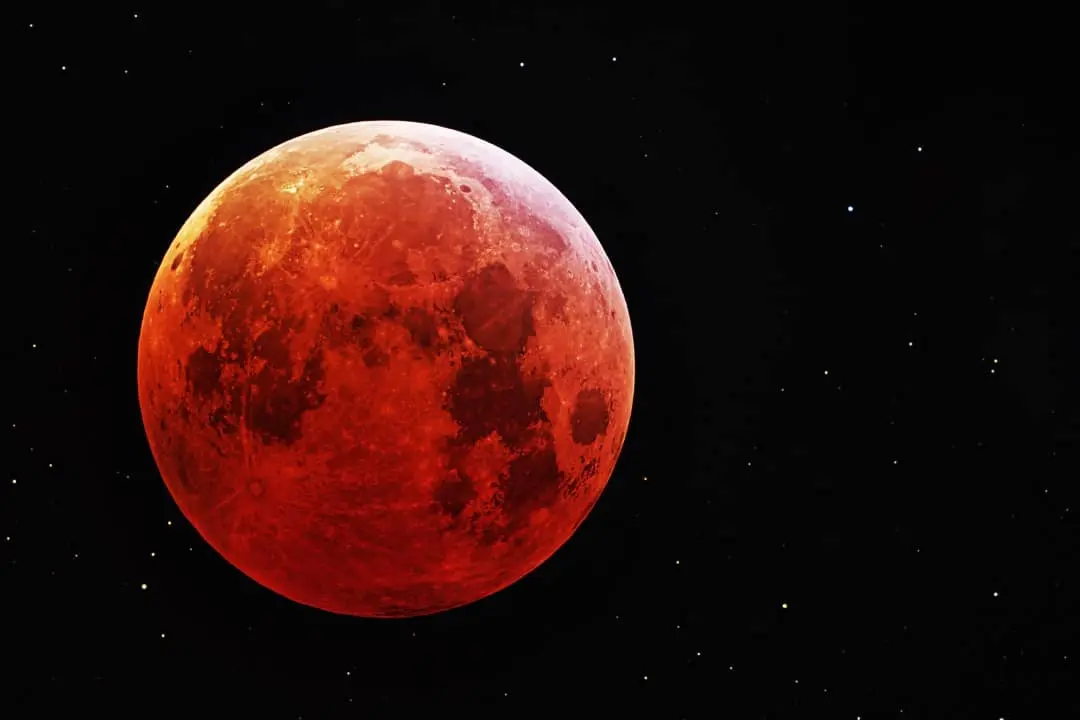
The early morning sky of this Tuesday, March 3, presents a planetary alignment that results in a total lunar eclipse, an event awaited by the scientific community and amateur observers. The phenomenon occurs when the Terra is positioned directly between the Sol and the Lua, projecting its shadow onto the natural satellite and creating a visual effect that changes its usual color. Embora Although the totality phase is the highlight of the event, viewing in Brazilian territory will be influenced by the light conditions at dawn and the geography of each region.
For Brazilians, the observation experience will be partial and limited to the moments before sunrise. Celestial mechanics determine that, while the eclipse reaches its peak, Lua will already be setting on the western horizon in most of the country, coinciding with daylight. Isso creates a short but interesting window of opportunity for anyone willing to wake up early and look at the sky in the opposite direction of the sunrise.
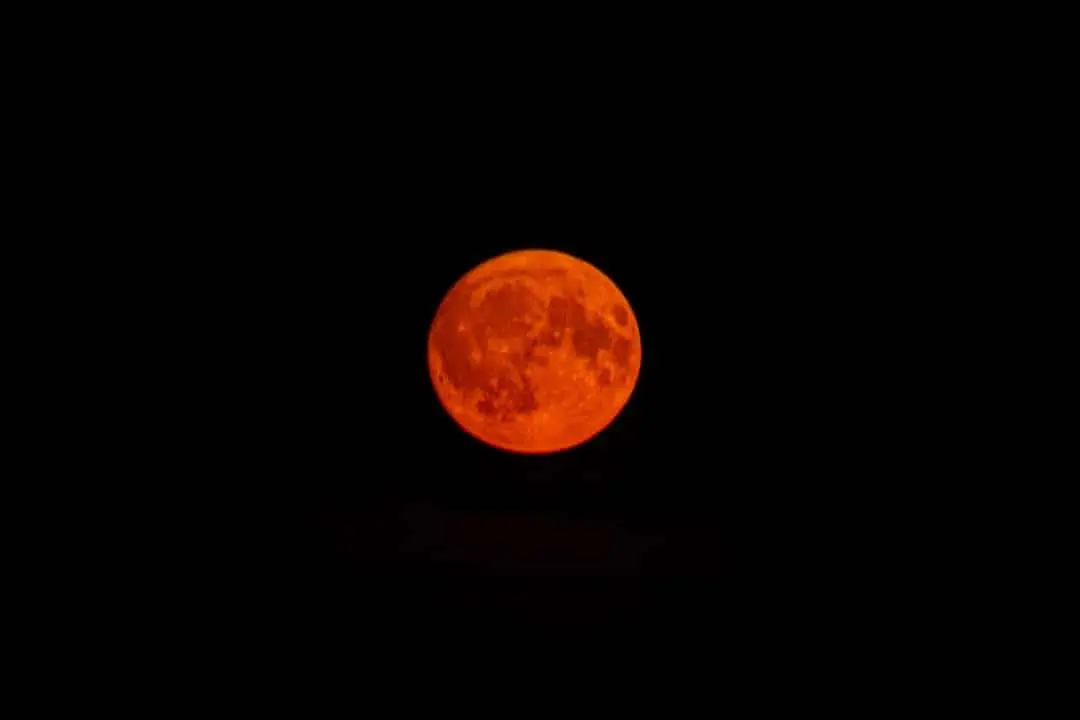
The most striking characteristic of this type of eclipse is the transformation of Lua, which takes on reddish or copper tones, popularly called Lua from Sangue. Essa chromatic change is not a product of imagination, but rather a physical effect of the interaction of sunlight with the Earth’s atmosphere, which acts as a natural filter when blocking direct lighting.
On the same topic: Total eclipse brings Blood Moon in March with maximum visibility in North America and Asia
Residents of states in region Norte, specifically Acre and the western portion of Amazonas, will have a strategic advantage due to their time zone and geographic position. Nestas locations, Lua will remain above the horizon longer during the onset of darkness, allowing for longer viewing of the early phases of the phenomenon compared to the remainder of Brasil, where the day will brighten more quickly.
Detailed timeline and phases of the eclipse
The evolution of the eclipse follows a precise timeline, astronomically calculated for the time of Brasília, starting in the early morning darkness. The first stage, known as the penumbral phase, is scheduled to begin at 5:44 am. At Neste, the satellite enters the more diffuse shadow zone of Terra, resulting in a subtle decrease in lunar brightness that may go unnoticed by casual observers or in places with a lot of light pollution.
The scenario changes at 6:50 am, when the partial phase begins and the umbra — the darkest part of the Earth’s shadow — begins to cover the lunar disk. However, this time presents a logistical challenge for most Brazilian cities, as Lua will be extremely low on the horizon or will have already set, depending on the observer’s longitude. Nas regions Sul, Sudeste and Nordeste, competition with morning sunlight will make observing this stage particularly difficult.
Full coverage: News (EN)
The peak of the event, its totality, will occur between 08:04 and 09:02, at which time the satellite would be completely immersed in shadow and would display an intense red color. Infelizmente, for observers located at Brasil, this stage will take place when Lua is already below the horizon line, making the “Moon of
The physics behind the reddish color
The dramatic hue that Lua acquires during totality is explained by the phenomenon of Dispersão of Rayleigh, the same physical principle that defines the blue color of the sky during the day and the orange tones of sunset. Quando to Terra blocks direct sunlight, the planet’s atmosphere refracts the sun’s rays, deflecting them towards the lunar surface.
More on this story: Japan records total lunar eclipse during traditional festival and phenomenon only repeats in three years
During this process, the Earth’s atmosphere acts as a selective prism. Ela efficiently disperses shorter wavelengths, such as blue and violet, preventing them from reaching Lua. On the other hand, the longer wavelengths, corresponding to red and orange, are able to cross the atmospheric layer and are projected onto the satellite, “dying” it with the characteristic color of the event.
See Also



The intensity and exact shade of red may vary depending on global atmospheric conditions at the time of the eclipse. The presence of suspended particles, such as dust from desert storms, ash from recent volcanic eruptions, or large concentrations of clouds, can darken the Lua, ranging from a bright copper to deep brick red or even shades of dark brown.
Strategies for observation and photography
To try to capture the beginning of the phenomenon at Brasil, planning is essential, as observation time will be scarce before full dawn. The main recommendation is to find an elevated or flat location that offers an unobstructed view of the western horizon. Edifícios, mountains or dense vegetation can block Lua precisely in the crucial minutes when it begins to interact with the shadow of Terra.
Learn more: Total lunar eclipse delights observers with red Moon in March 2026
- The use of binoculars is highly recommended to notice the subtlety of the penumbral phase, which is less evident to the naked eye.
- Entry telescopes can reveal textures of the lunar surface as the luminosity decreases, offering an interesting contrast.
- Unlike solar eclipses, lunar observation is completely safe for the eyes, eliminating the need for the use of special filters or protective glasses.
- Celestial chart apps are useful tools for anticipating the exact point where Lua will set in relation to your location.
Photographers interested in capturing the event will face the technical challenge of balancing exposure. Como the eclipse occurs simultaneously with daylight, the ambient light will increase rapidly while the brightness of Lua will decrease. The use of a robust tripod is essential to avoid blurry images, especially if telephoto lenses are used to approach the satellite.
Local weather conditions will dictate the success of the observation. The sky needs to be clear, with no low clouds in the west. Frentes morning cold or fog, common in some regions at this time of year, can completely hide the satellite during the brief window of visibility available to Brazilians.
Learn more: Tuesday’s lunar eclipse brings blood moon phenomenon with partial visibility at dawn
Global context and rarity of the event
While Brasil will only watch the prologue of the event, viewers in América of Norte, especially on the east coast, and in regions of Pacífico will have access to the full show. The peak of the eclipse will allow millions of people in these areas to witness totality for nearly an hour, providing valuable data for observatories that broadcast the event in real time to the rest of the world.
This eclipse of March 3, 2026 is important because it opens the astronomical calendar of major events of the year. Astrônomos emphasize that opportunities to view total eclipses with long durations over densely populated continental areas are becoming more spaced out, which increases academic and popular interest in each occurrence.
The next phenomenon with similar characteristics and easier visibility conditions should only occur at the end of 2028.