
Security flaw exposes cameras and maps of 7,000 DJI Romo robot vacuum cleaners in 24 countries
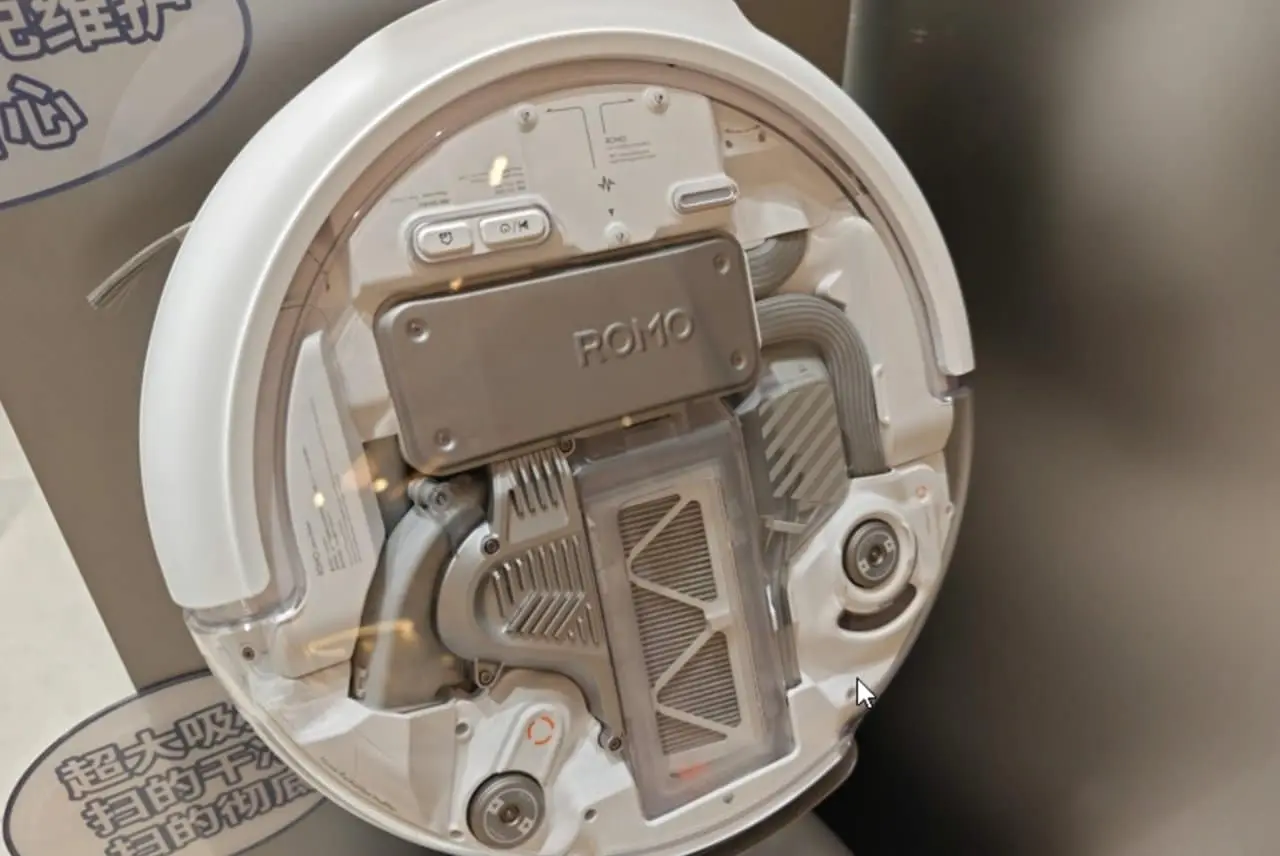
A Spanish software engineer discovered a serious security vulnerability in the DJI Romo robot vacuum cleaner, launched in February 2026 by the Chinese company. Sammy Azdoufal only intended to create a custom application to control your own device with a PlayStation 5 controller. Durante the experiment, he accessed data from approximately 7 thousand units in at least 24 countries. The flaw allowed viewing of live camera feeds, microphone audio, home floor plans, and approximate locations based on IP addresses.
The incident occurred because the authentication token extracted from Azdoufal’s device served as a master key on DJI’s servers. Ele did not need to break into systems or use brute force. The MQTT protocol, used for communication between robots and the cloud, did not correctly validate permissions per device. Isso resulted in unauthorized access to sensitive information of thousands of users without their knowledge.
DJI confirmed the existence of the issue upon notification. The company implemented corrections in two automatic updates at the beginning of February 2026. Essas updates restricted unauthorized access and were applied without the need for intervention from device owners. The flaw mainly affected MQTT-based communication between devices and the cloud server.
Discovery during home experiment
Sammy Azdoufal used Anthropic’s AI tool Claude to analyze Romo’s communication protocol. Ele developed a custom client that mapped PS5 controller commands to robot movements. The goal was to make the operation more fun, similar to a game.
More on this story: PlayStation 5 Pro price drop accelerates digital retail sales and eliminates global stocks
During testing, the application connected to the DJI server. Instead of receiving data just from your Romo, it obtained information from thousands of other devices. Azdoufal was able to remotely control the devices, check battery levels and observe what the cameras captured in real time.
He demonstrated real-time access for journalists. In just a few minutes, it collected more than 100,000 telemetry messages sent by robots every few seconds. The data included cleaning status, detected obstacles, and maps generated by the sensors.
How the technical loophole worked
The MQTT protocol allows devices to publish and subscribe to message topics in a lightweight way. In the case of Romo, the devices sent constant packets with serial number, status and visual data. The server accepted broad subscriptions without restrictions per individual token.
Authentication did not tie the token to a specific device. Qualquer valid token allowed broad access. Isso displayed not only the video and audio, but also detailed floor plans of the residences.
Cybersecurity experts point out that similar flaws occur in IoT devices when cloud access controls are insufficient. The incident reinforces risks in connected products that map indoor environments.
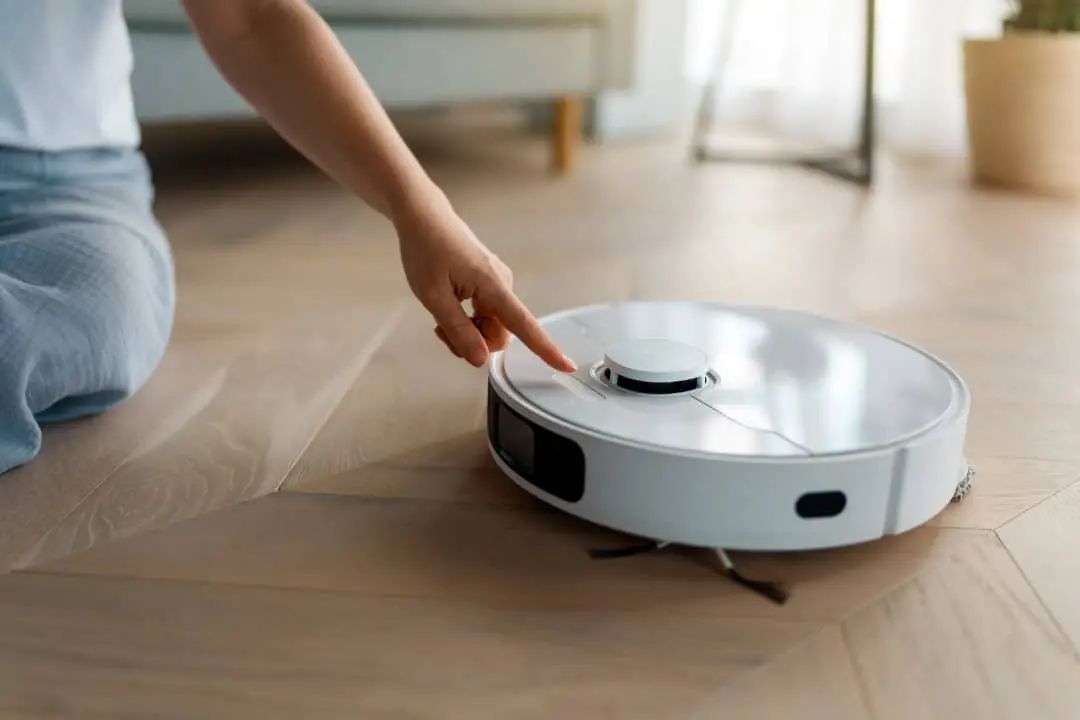
DJI response and applied fixes
DJI started internal corrections in January 2026. Após contacted Azdoufal and press outlets, the company accelerated the updates. Duas patches were automatically sent on February 8th and 10th.
Learn more: New Apple system update optimizes urgent task management for iPhone users
The company stated that the problem was resolved and that remediation was already underway before public disclosure. A spokeswoman explained that the vulnerability involved validating permissions on the backend.
Azdoufal noted that some minor issues persisted initially, such as accessing video streams without a security PIN. DJI has promised to address these additional points in future updates.
Risks for smart device users
Robot vacuums with cameras and microphones represent potential targets in connected home networks. Unauthorized Acesso can expose daily routines, home layouts and private conversations. Previous Casos with other brands have shown similar abuse.
The incident highlights the need for strict authentication in IoT protocols. Tokens must be scoped by device and limited subscriptions. Fabricantes need to test wildcard topics and permissions validations.
Users must maintain updated firmware and segment networks for smart devices. Simple Medidas reduces exposure in connected ecosystems.
Impact on the home robot market
The DJI Romo has entered the robot vacuum segment with advanced mapping and camera features. The failure occurred shortly after the global launch. Isso may affect trust in the brand’s products, known for drones.
On the same topic: Code injection exploit in Meta’s AI grants access to Instagram accounts, even affecting the Obama White House
Companies in the sector face increasing pressure for security. Incidentes state that connectivity convenience requires rigorous monitoring. The case serves as a warning for the entire domestic IoT industry.
Azdoufal shared his code for gamepad control after the fixes. Ele emphasized that it did not explore the data and reported the problem immediately.
More news in News (EN)
See more → Samsung releases new system update with new features for Galaxy Watch 4 users
 Digital retail reduces the value of the Galaxy S25 5G smartphone with bank bonuses and device exchange
 Amazon’s wireless CarPlay adapter has a 50% discount and high approval ratings from drivers
 Zach Cregger’s new Resident Evil ignores games and focuses on an unprecedented story with new characters
 Rumor suggests that Nintendo is preparing a special edition of the Switch 2 with a remake of Ocarina of Time
 Apple accelerates production of the iPhone 17e and develops new Air model with dual camera system
 Epic Games platform releases twelve high-budget games at no permanent cost for PC users
 PlayStation 5 Pro price drop accelerates digital retail sales and eliminates global stocks
 New Galaxy Watch 9 firmware appears on server and confirms progress in software development
 Apple’s commemorative project tests cell phone with 1.1 millimeter edge and curved screen for 2027
 New Apple system update optimizes urgent task management for iPhone users
 Leak details hardware of the new portable PlayStation with superior graphics to the Xbox Series S
More news on Mix Vale
- 1Oppo officially launches the Find X9 Ultra worldwide with Hasselblad lenses and robust battery
- 2Tim Cook reveals new iPhone and iPod prototypes in celebration of Apple’s fiftieth anniversary
- 3New edition of foldable smartphone brings gold finish to Winter Games competitors
- 4Android system receives native Gemini Nano 4 integration for offline processing on smartphones
- 5Samsung updates QuickStar module and expands visual control of the panel in the One UI 8.5 interface
- 6Leak reveals Lords of the Fallen and Sword Art Online in April’s PS Plus Essential catalog
- 7New Xiaomi 18 Pro Max smartphone integrates two 200 MP cameras and latest generation processor
- 8Manufacturers update premium smartphone photo sensors with focus on zoom and artificial intelligence
- 9Apple develops new foldable iPhone and prepares special edition to celebrate 20 years of the brand
- 10Manufacturer OPPO confirms official date to reveal new Find X9 Ultra and Pro smartphones with a focus on cameras