Amazon streaming removes 4K quality from basic plan and requires extra payment of $4.99
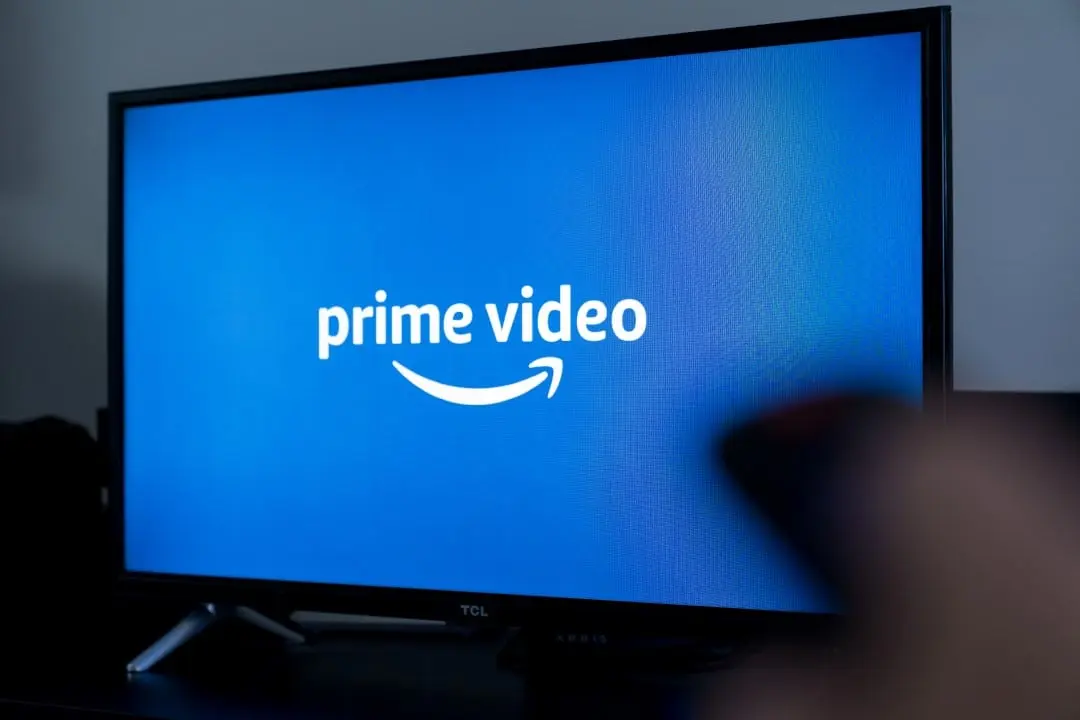
Technology multinational Amazon has defined a new operating model for its streaming service, substantially changing the delivery of audiovisual content to its global user base. The platform has established a technical restriction that removes the reproduction of films and series in very high definition from the standard package, making access to this image quality subject to an additional monthly payment. The decision is part of a financial restructuring plan designed to increase the profit margins of the entertainment division, which is facing rising costs in producing original works and purchasing broadcasting rights for sporting events.
To maintain the superior visual standard on compatible televisions, consumers will need to manually upgrade their accounts, migrating to a newly created premium subscription category. The value of this extra fee was set by the company with variations depending on the market in which it operates, ranging from 2.99 to 4.99 dollars per month, an amount that will be added to the regular service invoice. Essa modification ends the single fee model that has characterized the platform since its international expansion, requiring the user to reevaluate the cost-benefit of the company’s digital ecosystem.
In parallel with the reduction in transmission quality, the corporation confirmed the insertion of mandatory commercial breaks for all customers who choose not to pay the additional fee. Advertising pieces will be broadcast before production begins and during the episodes, aligning the company with a market trend adopted by competing media conglomerates to subsidize the maintenance of high-capacity servers and the continuous licensing of catalogs from third-party studios.
Impact on costs and subscriber segmentation
The introduction of a higher level of charging represents a profound change in the company’s customer retention strategy, which has historically focused on offering multiple benefits for a single price. Durante years, the subscription guaranteed free shipping in e-commerce, access to music platforms and the video catalog in the best resolution supported by the consumer’s hardware, without distinction between user classes.
On the same topic: Amazon Prime Video company establishes new Ultra subscription of $4.99 per month to guarantee access to the 4K format
The technical separation of these attributes highlights the need for the media division to generate an independent and robust cash flow, capable of justifying the billion-dollar budgets approved for recording fantasy and action series. The basic plan acts as a showcase subsidized by advertising brands, while the more expensive package is aimed at technology enthusiasts who have home theater systems and large format screens in their homes.
Analysts in the technology sector point out that this fragmentation of the service directly responds to the stagnation in the registration of new accounts in mature markets, such as América, Norte and Europa. Sem the possibility of growing the user base at the same pace as in the last decade, the corporation adopts the tactic of increasing the average revenue per user, forcing double monetization through the sale of subscriptions and the sale of advertising spaces in the same virtual environment.
Blocking visual and sound technologies
The most noticeable change for the public that has the latest generation equipment is the systemic blocking of 4K and Ultra High Definition (UHD) resolutions for those who remain on the entry plan. The platform’s software was programmed to identify the financial status of the logged in account and limit the sending of video data to the Alta Definição (HD) format, reducing sharpness, dynamic color range and detail in low-light scenes.
In addition to the downgrade in image quality, immersive audio protocols were also removed from the standard package and transferred to the premium subscription. Tecnologias of three-dimensional sound, responsible for distributing sound effects throughout the environment in a directional manner, will only be activated on compatible devices if the company’s system recognizes the payment of the additional fee of 4.99 dollars, limiting the complete cinematic experience to those paying at the highest level.
How the new advertising system works
The platform’s effective entry into the video advertising market opens a new phase for the company’s advertising division, which already dominates a large part of digital retail. The commercial insertion mechanism was structured to emulate the dynamics of open television, but with the application of targeting algorithms that use the user’s purchasing and browsing history to display highly personalized advertisements.
Advertising agencies gained access to a media inventory considered to be of high value, allowing them to run campaigns in award-winning productions and high-audience broadcasts. The network infrastructure was adapted to ensure that the transition between the film and the commercial block occurs smoothly, avoiding crashes that could harm viewer retention during the display of the sponsor’s message.
More on this story: Factory settings on 4K TVs block the graphical potential of modern consoles
Total ad time per viewing hour was calibrated by data engineering teams to maximize revenue without triggering mass unsubscriptions. Operational reports indicate that the initial advertising load will be lower than the average used by traditional broadcasters, functioning as a transition period for an audience that has consumed content without interruption for years.
For the digital marketing market, the opening of this space represents the chance to impact consumers who use ad blockers in browsers and who rarely watch conventional TV programming. Verbas advertising agencies are already being reallocated from other media to ensure presence in these new ranges, changing the investment dynamics of major global brands.
See Also



Storage changes for access without internet
Updates to the terms of service also imposed new rules for the functionality of downloading episodes and movies for offline viewing. The limit of files that can be stored simultaneously in the memory of smartphones and tablets has been restricted, now varying between 25 and 100 titles, a quota that is determined by the region of the account and the chosen subscription category.
This technical measure aims to more strictly manage copyright contracts signed with independent distributors and control data traffic on the company’s servers. Consumidores who depend on this function when traveling or who live in areas with poor internet infrastructure will need to constantly manage the application’s storage space to avoid exceeding the limit imposed by the new security system.
Financial transactions in the audiovisual sector
The restructuring promoted by the company reflects a consolidation movement that affects the entire global digital entertainment industry, marking the end of the era of subsidized expansion and the beginning of the relentless search for profitability. Nos In recent years, competing platforms have paved the way for this scenario by launching ad-supported plans and implementing IP tracking technologies to block password sharing between different households. The transition from a business model focused on access volume to a system focused on operational efficiency requires corporations to adjust their offerings, charging more for the same services or reducing the quality delivered at the original price. Upon realizing that a significant portion of consumers accept commercial interruption in exchange for maintaining the base rate, technology giants transform connected television into a direct evolution of classic broadcasting. Nesse new environment, the massive collection of data allows the sale of segmented advertising spaces for values much higher than those of traditional media, guaranteeing the financial sustainability of operations in a market that has reached its organic growth ceiling.
Mandatory application and television updates
Applying the new broadcast guidelines requires that software installed on smart televisions, video game consoles and mobile devices be updated to the latest versions provided by the company. The application’s source code has been rewritten to integrate the new payment verification module, which acts within milliseconds to release the 4K signal or inject the ad queue as soon as the user selects a title in the catalog.
Older equipment, which no longer receives update support from its manufacturers, may experience instability when playing content or lose access to the service if it is unable to process the new security protocols and insertion of advertisements. The company advises customers to check the compatibility of their devices on the official support pages to ensure continued access to the platform.
Learn more: Nintendo’s next console brings support for 4K resolution, magnetic controls and backwards compatibility
Alternatives for the consumer
When implementing the new system, users need to make active decisions through their account management panel.
– Aceitar the conditions of the basic plan, maintaining the current price, but receiving ads and resolution limited to HD.
– Autorizar will incur an additional fee of $4.99 to restore 4K quality and remove commercial interruptions.
– Solicitar the immediate cancellation of the automatic renewal, ending the relationship with the platform without charging fines or termination fees.