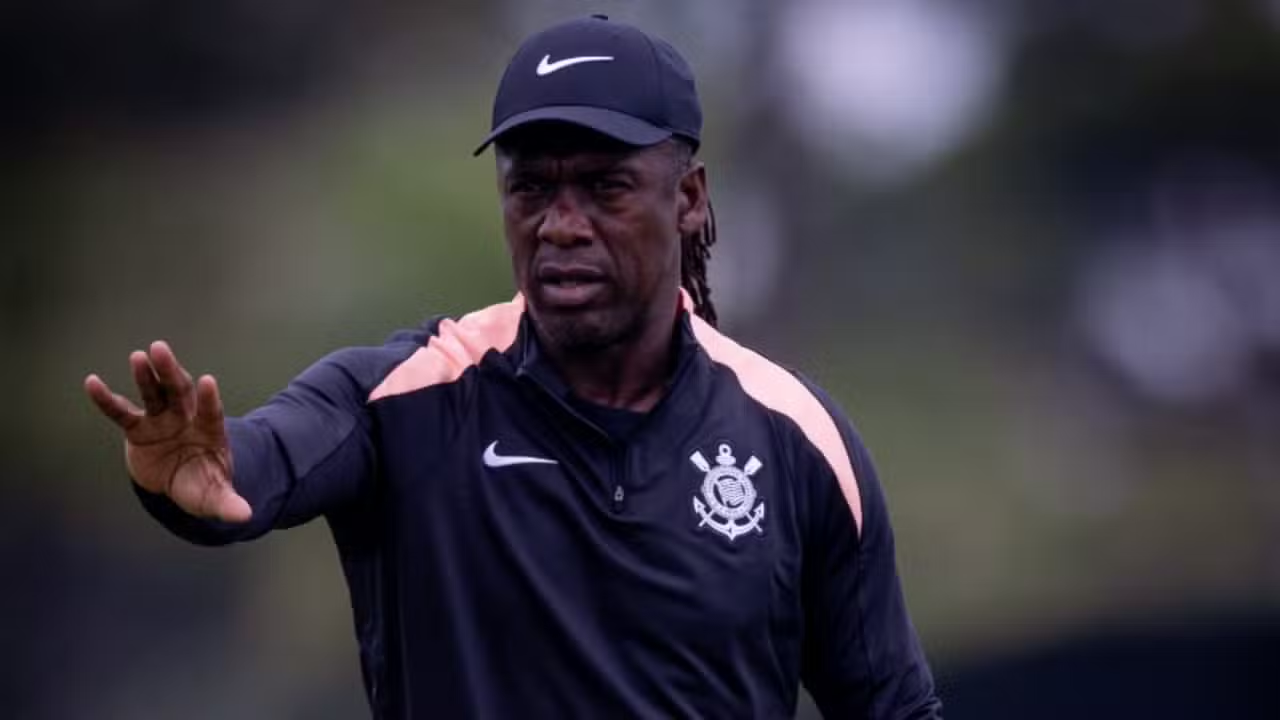
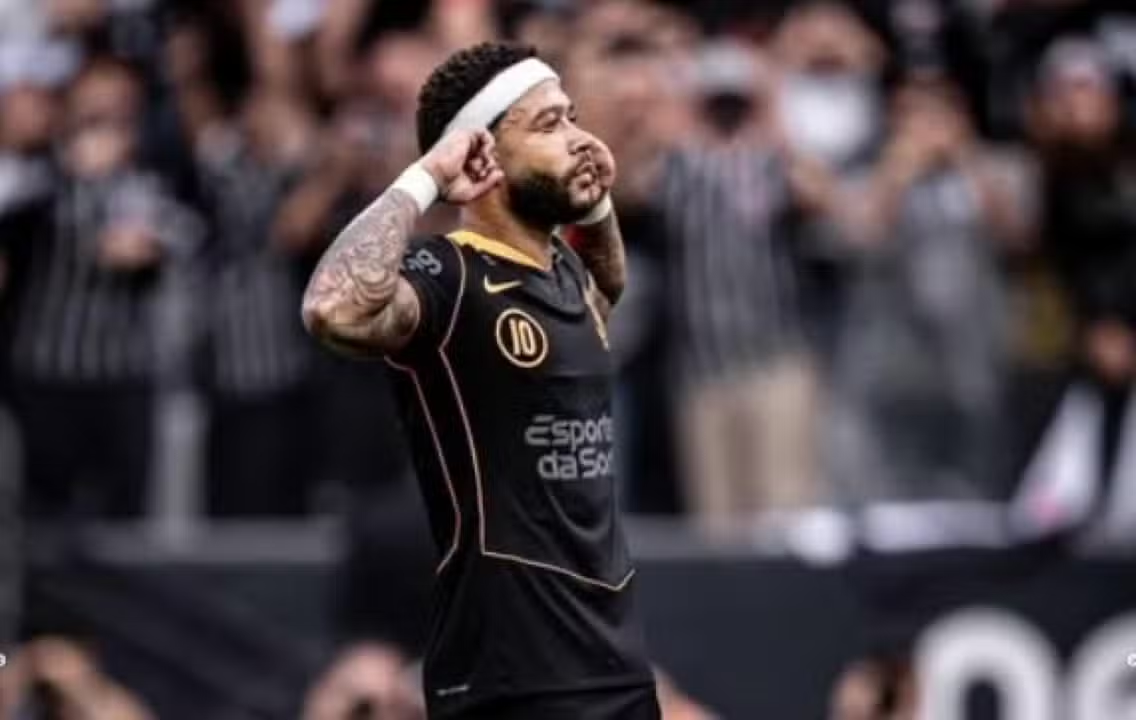
A contentious decision involving Flamengo’s midfielder Evertton Araújo continues to dominate headlines following the 1-1 draw against Corinthians this past weekend at the Neo Química Arena. The incident, which saw the Rubro-negro player sent off early in the second half of the Brazilian Série A clash, has ignited a fierce debate regarding refereeing standards and the application of Video Assistant Referee (VAR) protocol.
The controversy intensified today with the release of the VAR audio by the Brazilian Football Confederation (CBF), shedding light on a notable disagreement between the on-field referee, Rodrigo José Pereira de Lima (PE), and the video assistant referee, Wagner Reway (SC).
Despite Reway’s recommendation for a downgrade to a yellow card after reviewing the play, the central referee upheld his initial decision, leading to Flamengo’s profound dissatisfaction with the outcome.
Disputed call reshapes second half dynamics
The match was evenly poised when, in a pivotal moment of the second half, referee Rodrigo brandished a red card for a challenge involving Evertton Araújo and Corinthians’ Breno Bidon. This early dismissal significantly altered Flamengo’s tactical approach and their ability to press for a winning goal.
Flamengo immediately protested the decision, arguing that the contact did not warrant the most severe punishment. The incident became the focal point of the post-match discussions, overshadowing the 1-1 scoreline itself.
VAR review recommends lesser sanction
During the VAR review process, Wagner Reway meticulously analyzed the challenge, initially describing the contact between the players as “foot with lateral foot.” His assessment quickly led to a recommendation for a less severe penalty.
Reway explicitly advised Rodrigo to review the play, stating, “I will recommend the review for a yellow card, not a red card.” He believed the nature of the contact did not meet the threshold for an expulsion, suggesting the contact was not as direct or forceful as initially perceived.
The video assistant referee then directly questioned his on-field counterpart: “Did you see the point of contact, Rodrigo?” This query underscored Reway’s conviction that a re-evaluation was necessary, pointing to a different interpretation of the incident.
Referee Rodrigo stands by original decision
Despite the VAR’s clear suggestion, Referee Rodrigo held firm on his initial judgment. He articulated his perspective, stating, “I see that he goes to dispute the ball, and he goes over for the dispute, understood?” This indicated his focus on the intent and aggression of Evertton’s approach.
Rodrigo further elaborated on his view of the contact, specifying, “He traps it over his ankle.” This detailed description suggested a more impactful point of contact than what Reway’s “lateral foot” assessment implied, reinforcing the on-field official’s perception of a dangerous play.
Reway continued his efforts to persuade, cautioning Rodrigo, “I will recommend the review to you because the boot hits, but it is a lateral contact.” Rodrigo, however, requested multiple angles for review, including a crucial camera perspective from behind the goal, aiming to solidify his understanding of the challenge.
Even with additional visual evidence, Rodrigo’s stance remained unwavering. The sequence of discussions highlighted the subjective nature of such calls, even with technological assistance.
The crucial contact point debate
In the final exchange before the decision was confirmed, Reway confirmed, “It passed the ball and hit the tip of the foot behind. I will show you the point of contact, and then you can maintain the decision, no problem. But I will show you the point of contact.” This exchange emphasized the VAR’s role in providing all available evidence while respecting the field referee’s ultimate authority.
After reviewing the multiple angles and Reway’s specific highlights, Rodrigo articulated his definitive stance. He concluded, “Foot with foot. He still traps it. For me, he traps the boot on the player’s leg. It’s not just underneath. It hits the upper part and it hits underneath. Red maintained.” This final declaration underscored his belief that the contact was significant enough to warrant a red card, encompassing multiple points of impact and potential danger.
Broader implications for league officiating
Incidents like the Evertton Araújo red card continue to fuel broader discussions about consistency and decision-making within Brazilian football officiating. The divergence in opinion between the VAR and the main referee, even after review, frequently leads to heightened scrutiny and calls for clearer guidelines.
Such controversies not only affect individual match outcomes but also contribute to a perception of inconsistency across the league, impacting team morale and fan confidence in the integrity of the game. Ensuring standardized interpretation of rules and the effective integration of VAR technology remains a paramount challenge for the CBF as the Série A season progresses into 2025.
Flamengo’s continued frustration
The release of the VAR audio further cemented Flamengo’s frustrations. The club and its supporters see the audio as confirmation that their initial protests were valid, questioning the rigidity of the field referee’s decision in the face of expert advice from the video assistant.