Apple ends Mac Pro sales and consolidates transition to closed processor architecture
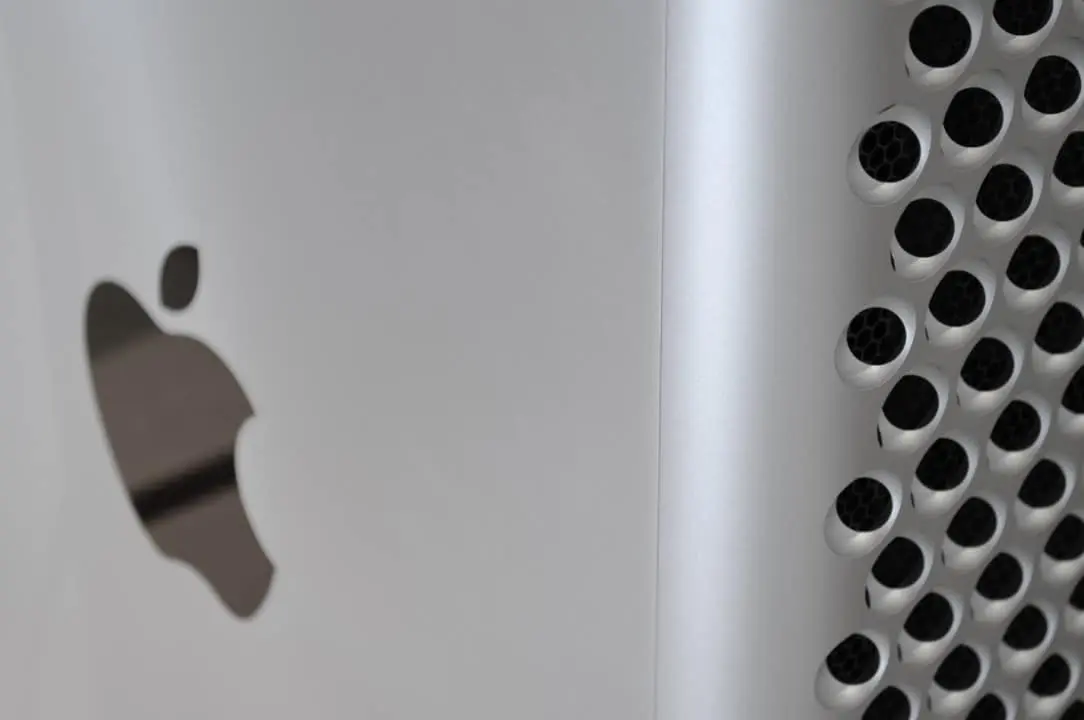
The technology giant Apple officially removed the Mac Pro from its online store and ended production of the most powerful desktop computer in its portfolio. The measure marks the definitive end of the modular tower design, a feature that accompanied the brand’s workstations for almost two decades. The move consolidates the company’s full transition to its own integrated silicon-based processor architecture.
The equipment was widely used by professionals in video editing, 3D modeling and software engineering due to its internal expansion capacity. The possibility of adding accelerator cards, extra storage and memory independently has been the main attraction of the line since its launch. The manufacturer’s new guidelines point to the elimination of large cabinets in favor of compact, high-performance systems.

The product was removed silently from the company’s sales portal, leaving only certified refurbished units on the market. Software support for machines already sold will be maintained in accordance with the standard operating system update cycle. Consumers who require high performance are now directed to other options in the catalog aimed at the professional market.
Change of strategy in component development
The decision to discontinue the modular tower reflects a profound change in the Cupertino manufacturer’s hardware engineering. The development of the M-series chips has proven that it is possible to achieve extreme levels of processing without the need for separate components and dedicated graphics cards. The integration of the central processor, graphics unit and memory in a single package made the old format obsolete within the brand’s ecosystem.
More on this story: MediaTek launches Dimensity 7500 with twice the AI power for mid-range cell phones
Supply chain reports have already indicated a slowdown in parts production for the larger model in recent months. The tower’s last hardware upgrade came with the introduction of the M2 Ultra chip, but the bulky chassis offered no practical expansion advantages compared to smaller machines equipped with the same processor. The thermal efficiency of the new silicon eliminated the need for large mechanical ventilation systems.
Rise of the Mac Studio as the main work tool
The Mac Studio now assumes the absolute leadership position in the desktop computer segment aimed at the corporate and creative market. The compact machine delivers performance equivalent to or greater than the old tower format, taking up a fraction of the physical space on editing tables. The acceptance of this model by film studios and music producers accelerated the retirement of the traditional aluminum cabinet.
External connectivity has become the pillar of the new expansion philosophy adopted by the technology company. Intensive use of high-speed Thunderbolt ports allows connection of fast storage arrays and specialized peripherals without the need for internal slots on the motherboard. Essa approach shifts hardware complexity away from the main computer, simplifying basic maintenance.
Rumors from the technology sector point to the imminent launch of a new generation of the Mac Studio with even more advanced processors. The expectation is that the new hardware will offer a leap in performance capable of meeting any remaining demand from former users of modular towers. The strategy aims to standardize high-performance equipment in a single, fully closed factory format.
History of the equipment in the technology market
The trajectory of the Mac Pro began in 2006, when the Apple transitioned from PowerPC processors to the Intel architecture. The first model set a standard of excellence with its brushed aluminum enclosure, offering easy access to internal components through simple latches. The machine quickly became a symbol of status and technical capability in audiovisual production environments around the world.
Over the years, the computer has undergone radical redesigns that have tested the limits of industrial design. The cylindrical version launched in 2013 generated intense debate in the technical community due to its heat dissipation restrictions and the impossibility of upgrading graphics cards. The innovative form factor ultimately proved to be an obstacle for professionals who depended on continued hardware flexibility.
The response to criticism came in 2019 with the return to the traditional tower format, which regained the confidence of the most demanding users by offering industry-standard slots and massive memory capacity. The equipment allowed extreme configurations for the time, meeting specific cinematic rendering demands. However, the useful life of this architecture was shortened by the company’s decision to abandon external processor suppliers.
See Also



Learn more: Apple prepares to launch four new portable computers with new processors for 2026
The end of the modular line closes an important chapter in the history of high-performance personal computing. The equipment served as a testing platform for various cooling and power management technologies that were later adapted for mass consumer notebooks and desktops. The evolution of miniaturized components has made the existence of a giant cabinet unjustifiable from a modern engineering point of view.
Technical impacts on the editing and engineering routine
The absence of internal expansion connectors requires significant adaptation in the workflows of sound engineers, colorists, and complex data researchers. Profissionais that used specific accelerator cards for 3D rendering or digital audio processing now rely on external expansion chassis connected via data cable. Embora the bandwidth of modern connections is extremely high, the practicality of keeping all components protected and powered by the same power source within a single metallic enclosure has been lost. The transition forces large studios to rethink the physical organization of their equipment and cabling management in their daily work environments.
On the other hand, the unified memory architecture present in the brand’s new processors compensates for many of the limitations imposed by the closed and non-upgradable design. Direct data sharing between the central unit and the graphics processor, without the need to copy information between different memory banks, dramatically speeds up the export of ultra-high resolution videos and the compilation of software codes. The efficiency of this technical approach allows heavy tasks to be performed in almost absolute silence, a brutal difference in relation to the constant noise generated by the fans of old towers based on processors with high energy consumption and inefficient thermal dissipation.
Transformation of the resale and specialized maintenance market
The cessation of production of expandable computers directly affects the ecosystem of third-party companies focused on high-level hardware upgrades and maintenance. Durante years, a lucrative parallel market provided memory sticks, compatible video cards and specific internal storage solutions for the brand’s professional line. With the transition to systems on a chip, where the processor, video and memory are soldered onto the same logic board at the time of manufacture, the possibility of post-purchase improvements disappears completely. Users need to perfectly size their hardware needs at the time of purchase as there is no scope for future internal expansions. Independent technical assistance centers lose an important source of revenue related to the installation of physical components, having to redirect their business models to the repair of boards at the component level, advanced data recovery and the sale of external peripherals approved for the new generation of compact machines.
New energy efficiency standards in compact stations
The paradigm shift in professional computer design sets new records for energy savings in large-scale corporate environments. Older towers required high-voltage power supplies to support multiple processors and video cards working simultaneously at maximum load. The new integrated silicon performs the same volume of calculations while consuming a fraction of the electricity, which reduces operating costs for large studios and drastically reduces the need for powerful air conditioning systems in editing bays and rendering servers.
Software adaptation to the new unified architecture
The software development industry is also undergoing a restructuring process to take advantage of the characteristics of new closed computers. Criadores of three-dimensional modeling and visual effects applications are rewriting their code to utilize the native programming interface more aggressively and directly. Optimization ensures that programs extract maximum performance from integrated graphics cores without relying on legacy instructions.
On the same topic: High-performance AMD Ryzen 9 9900X3D processor reaches lowest commercial value of the year 2026 on Amazon
The list of adaptations includes modifying color correction and audio processing tools that previously relied on dedicated external acceleration. Hardware standardization makes the work of programmers easier, who now need to focus on a single type of architecture instead of testing compatibility with dozens of different video cards from different manufacturers. Operating system stability in high-pressure environments is greatly increased by eliminating third-party drivers that frequently caused system crashes.