


The German manufacturer The vehicle will undergo a profound visual and technological redesign, aligning itself with the automaker’s global standards and adopting the same aesthetic identity already presented to consumers of the América and the Norte. The main strategic change involves the origin of the product, which is no longer manufactured at Argentina and is now imported directly from the industrial complex located at México.
The model maintains the mechanical set already known to drivers, focused on energy efficiency and urban and highway performance. The engine continues to be the 1.4-liter turbo flex engine, capable of generating a maximum power of 150 horsepower and delivering a torque of 25.5 kgfm, always coupled to an eight-speed automatic transmission with front-wheel drive.
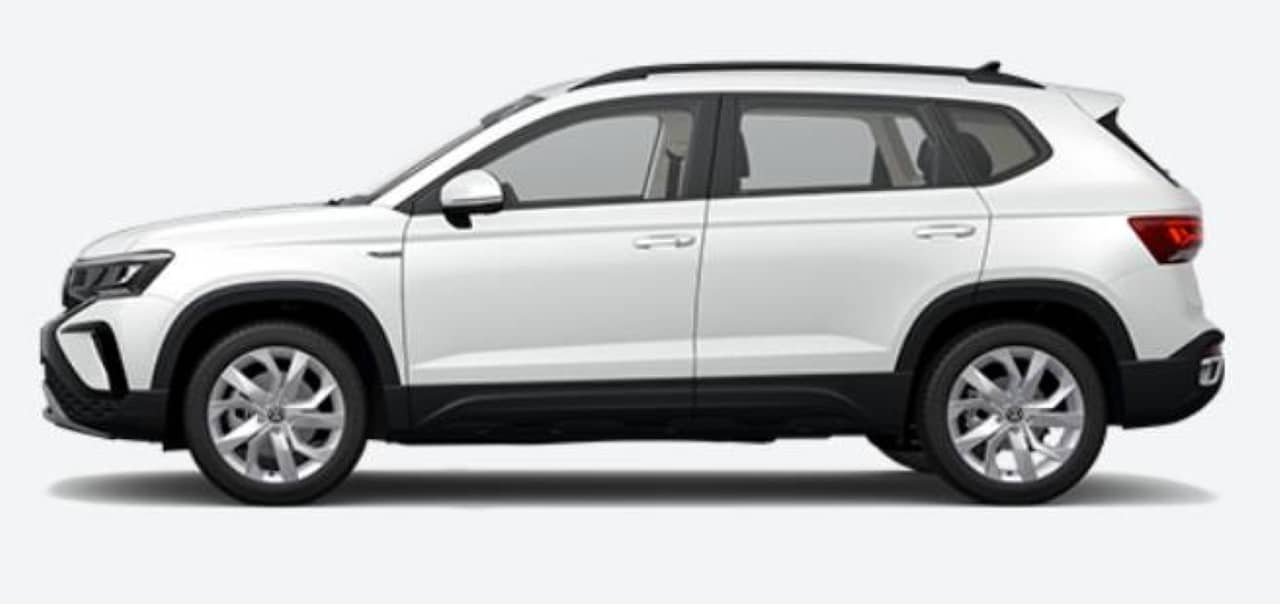
The modifications implemented by the brand’s engineering focus on specific points to increase competitiveness in the segment:
- Adoption of a new front lighting system with narrower projectors.
- Complete update of the multimedia center and digital instrument panel.
- Review of internal finishing materials to increase the perception of quality.
This commercial move aims to strengthen the automaker’s presence in one of the most sought-after categories in the automotive sector, where the vehicle records an average number of registrations of around five thousand units per year since its original launch.
Aesthetic updates to the front of the vehicle
The front of the sports utility vehicle received most of the designers’ interventions, adopting a visual language that refers to the brand’s European models, such as the Tiguan. The headlights have been redesigned and now have a significantly narrower shape, using Full LED technology as standard in all configurations, in addition to having a new daytime light signature that gives the car a more aggressive and modern appearance. The upper grille has also been refined and now features an LED illuminated strip that connects the two headlights, crossing the manufacturer’s central logo, an aesthetic feature that has become standard in the company’s recent launches.
At the bottom, the front bumper has been entirely remodeled to optimize airflow and improve engine compartment cooling. The piece gained an enlarged air intake with honeycomb-shaped internal elements, accompanied by matte black plastic appliqués and silver details on the base, simulating a crankcase protector. Essas changes not only modernize the car’s visual appearance, but also directly contribute to the reduction of aerodynamic drag, which is reflected in a slight improvement in fuel consumption rates during use on highways and expressways.
Modifications to the rear design and side profile
The rear portion of the car follows the front changes with the introduction of new LED lights, which are now interconnected by a horizontal light bar that crosses the entire trunk lid. The Esse layout brings the utility closer to the design already seen in the Nivus and the T-Cross, creating a strong family identity, while the turn signals have a new sequential lighting format.
The rear bumper underwent subtle touches to its character lines, receiving new reflectors and lower appliqués that harmonize with the front. The overall dimensions of the vehicle were preserved, maintaining the total width established at 1.84 meters, which guarantees directional stability and space for the occupants’ shoulders.
On the sides, the car’s profile remains unchanged in relation to the previous body, with the only highlight being the introduction of lightweight alloy wheels with a new design, which can reach 19 inches in the top-of-the-line versions. The 2.68 meter wheelbase remains one of the largest in the category, ensuring comfort in the cabin, while the trunk offers a volumetric capacity of 498 liters.
Internal architecture and connectivity systems
The vehicle’s cabin has been redesigned to offer a more technological and ergonomic environment, adopting a panel layout very similar to that found in the Jetta sedan. The main new feature is the installation of a 10-inch floating multimedia center, equipped with the VW Play Connect system, which allows remote updates and greater fluidity in navigating between menus.
The digital instrument panel, positioned behind the steering wheel, measures up to 10.25 inches depending on the version chosen, and now offers updated graphics with higher resolution and new options for customizing driving information. The air conditioning system outlets were also revised, gaining metallized contours and frames with a glossy black finish.
Thermal comfort is guaranteed by the two-zone digital air conditioning, which has touch-sensitive controls and an active filtration system capable of retaining microparticles and external odors. The front and rear seats receive new fabric patterns and textured coverings, designed to accommodate five adult passengers with an adequate level of lateral support for long-distance journeys.
To enhance the feeling of refinement, the central strip of the dashboard was covered in a soft-touch material that simulates leather and features visible stitching. The distribution of storage compartments across the center console and doors has been optimized to facilitate the storage of smartphones, keys and bottles during everyday use.
Safety and driving assistance package
The new iteration of the sports utility vehicle considerably raises the standard of active and passive safety offered to consumers, incorporating a comprehensive package of advanced driving assistance. The adaptive cruise control system has been recalibrated to act more smoothly when accelerating and braking, constantly monitoring the distance to the vehicle in front on highways and fast-moving traffic. Together, autonomous emergency braking uses sensors and front cameras to detect obstacles, pedestrians and cyclists, applying full brake force if the driver does not react in time to avoid an imminent collision. The lane keeping assistant works directly on the electric steering, applying slight corrections to the steering wheel to keep the car centered, while the blind spot monitoring alerts you to the presence of vehicles in areas of restricted visibility. Occupant protection in the event of an impact is ensured by a body structure made of ultra-high-strength steel and a set of six standard airbags, including front, side and curtain airbags. Manobras in tight spaces is made easier by the presence of front and rear parking sensors, combined with a high-definition reversing camera with dynamic guides.
Restructuring of the production and import chain
The decision to transfer production of the medium sports utility vehicle is directly linked to an industrial restructuring of the automaker in América from Sul. The factory located at General Pacheco, at
With this change, the national market will now be supplied by the Puebla manufacturing unit, at México, with batches of vehicles arriving in the country through Porto and Paranaguá. Mexican imports benefit from the bilateral trade agreement in force between the two countries, which exempts cars from import tax, allowing the manufacturer to maintain the product in a competitive price range.
Strategic positioning in the automotive market
The sports utility vehicle arrives with the mission of taking on established rivals in the market, such as the Jeep Compass and the Toyota Corolla Cross, positioning itself in the middle pack in terms of sales volume. The updates promoted aim to attract a consumer profile made up of urban families who value internal space, onboard technology and a robust standard equipment package from the entry-level versions.
Mechanical adaptations for the national market
Before starting official sales, the automaker’s local engineering team carried out an extensive battery of tests at the Taubaté facilities to ensure that the imported México models were perfectly adapted to the country’s road conditions. Isso included recalibrating the suspension system to deal with uneven asphalt and adjusting the electronic injection software to use the ethanol and gasoline mixture available at gas stations.
Mexican production was also adjusted to strictly comply with the new pollutant and noise emissions standards established by the Proconve L8 program, which recently came into force. The first ship loaded with dozens of initial units has already docked at the port, preparing the ground for the gradual replacement of the remaining stock from the previous line, which is expected to be sold out at dealerships by the end of October.
Energy efficiency and fuel consumption
The aerodynamic improvement obtained with the redesign of the front end had a direct and positive impact on the vehicle’s energy efficiency. According to standardized tests carried out by the institute responsible for measuring consumption in the country, the model can record an average of 11.1 kilometers per liter when fueled with gasoline on strictly urban routes.
The driver also has a driving mode selector that allows changing the accelerator responses, steering weight and automatic transmission gear shifting. The economy-focused mode adjusts these parameters to prioritize lower engine speeds, helping to reduce fuel consumption and reduce the emission of polluting gases during daily use in traffic in large cities.



