

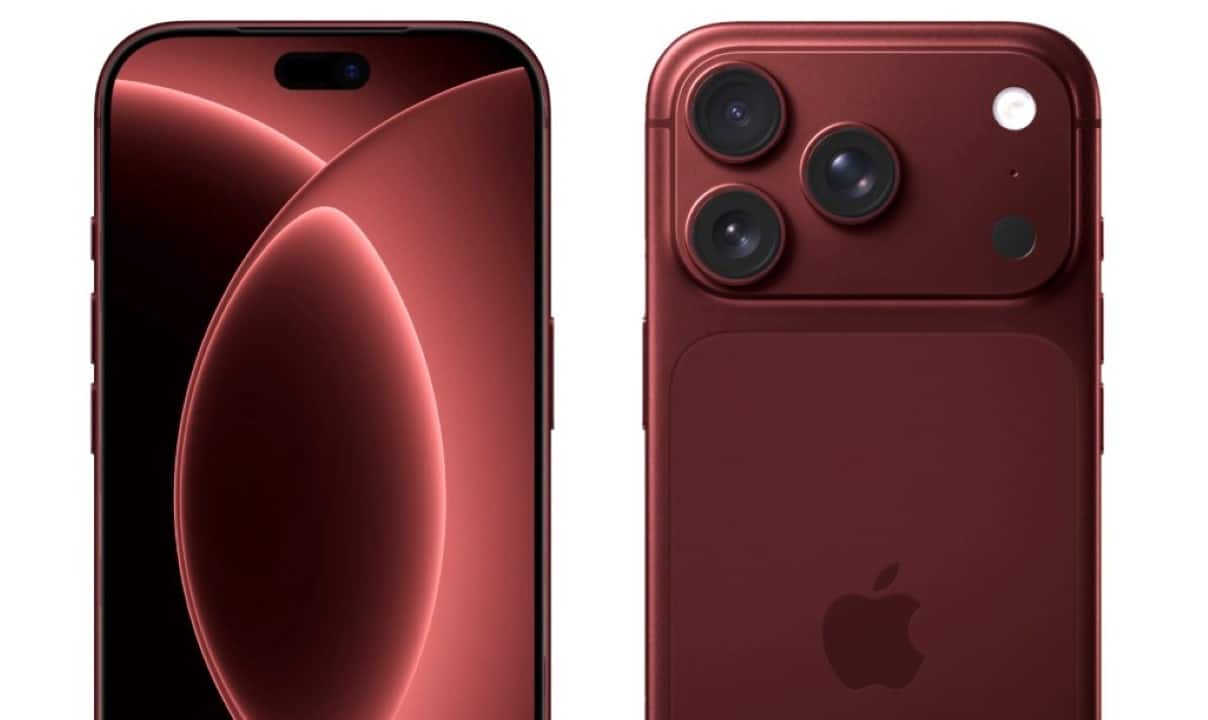
The North American electronics manufacturer confirmed the development of a new architecture for its main line of high-performance mobile devices. The brand’s next launch introduces a profound aesthetic redesign, highlighted by the adoption of a rear panel that exposes the equipment’s internal components. The structural change represents the biggest visual leap in the premium smartphone category in recent years, changing the design pattern of the global industry.
The hardware engineers at the company based in Cupertino worked on the complete restructuring of the motherboard and thermal dissipation systems to make the new translucent format viable. The project required the creation of new metal alloys and the adaptation of the entire international assembly chain. The manufacturer’s central objective is to deliver a product that combines extreme mechanical durability with a modern and sophisticated industrial look.
The arrival of the new devices on global retail shelves is scheduled for September, following the technology company’s traditional calendar. The move sets a new standard for competition in the telecommunications sector, forcing other Asian and European manufacturers to review their own design and power capacity innovation schedules for the coming business quarters.
Materials engineering and redesigned chassis
To ensure the integrity of the fully translucent back panel, the development team opted for a reinforced glass alloy that has undergone an exclusive chemical treatment in state-of-the-art laboratories. Esse complex industrial process was specifically formulated to protect the material against natural yellowing caused by continuous exposure to sunlight and the wear and tear of time. The chemical composition also increases structural resistance against accidental drops and daily scratches, ensuring that the device’s aesthetics remain intact even after long periods of use in adverse conditions in the daily lives of corporate and ordinary users.
The main chassis structure is forged from aerospace-grade titanium, a technical choice that provides unrivaled lightness combined with extreme mechanical rigidity. The integration between precision machined metal and new transparent glass required the formulation of an industrial adhesive unprecedented in the electronics market. Este compound is capable of sealing the smartphone against the entry of water and dust particles, meeting the most rigorous international protection certifications, without compromising the transparency that reveals the complex internal engineering of the equipment and its microcomponents.
Energy capacity and advanced thermal control
The autonomy of daily use represents one of the greatest technical advances of this generation, driven by a power cell that reaches the 5200 mAh mark. Este significant increase in volumetric capacity has been achieved thanks to a new internal battery composition architecture, which optimizes charge storage efficiently.
The millimetric restructuring of the internal space allowed the inclusion of this high-density battery without increasing the overall thickness of the smartphone. With internal components exposed through the rear glass, temperature management became the main challenge overcome by the manufacturer’s industrial design team.
The solution implemented involves the application of high-density graphene plates and a completely redesigned vapor chamber system for the new chassis. Essa thermal structure dissipates heat generated by the main processor quickly and silently, protecting the backplane from overheating during heavy processing tasks.
Front panel evolution and edge reduction
The dimensions of the screens have undergone precise adjustments on the assembly line, now offering 6.3 inches in the standard high-performance model and 6.9 inches in the larger variant. Display engineering managed to further refine the frames surrounding the high-resolution OLED panel.
This drastic reduction of edges maximizes the usable viewing area and provides an immersive experience when consuming media and browsing digital platforms. The most substantial change to the front interface involves relocating the facial recognition and brightness sensors below the active screen.
The technical modification allowed a 35% reduction in the area occupied by the top cutout, freeing up valuable space for status icons and operating system notifications. The development of the biometric sensor under the screen required extensive research to ensure accuracy and security in daily unlocking of the device.
Infrared light now penetrates the pixel array without optical distortions, validating the user’s identity instantly, regardless of external lighting conditions. Maximum brightness outdoors has also been considerably increased to make it easier to read in direct, intense sunlight.
Artificial intelligence and memory processing
The smartphone’s processing core is powered by a chip manufactured using the 2-nanometer process, a historic milestone in the miniaturization of transistors in the semiconductor industry. Este component was designed with a focus on running artificial intelligence algorithms directly on the device, reducing latency and dependence on cloud servers for complex tasks.
To accompany the new high-performance processor, RAM memory has been expanded to 12 GB, a key technical specification for keeping language models running efficiently in the background. Essa capacity guarantees absolute fluidity when switching between dozens of simultaneous applications and enables advanced simultaneous translation tools in real time.
Optical system with variable aperture and coating
The rear photographic assembly introduces a variable aperture mechanism in the main lens, a technology inherited from dedicated professional cameras that allows the sensor to physically adjust the amount of light captured according to the environment. Esta mechanical innovation drastically improves depth of field in natural portraits, generates authentic background blur and increases the sharpness of night photographs by eliminating visual noise in very low light scenarios. Adicionalmente, all lenses in the module have received a new laboratory-developed optical coating created specifically to mitigate unwanted reflections from direct light sources such as street lamps or vehicle headlights during nighttime recording. The optical zoom system has also undergone a major overhaul, adopting an improved refraction prism that stabilizes the image more efficiently when filming on the move or capturing objects at long distances. The integration between the camera hardware and the new image signal processor allows the application of artificial intelligence filters at the exact moment of the click, correcting color distortions and adjusting the white balance even before the file is saved in the device’s internal memory, guaranteeing professional results without the need for subsequent editing in third-party software.
Satellite connectivity and digital transition
The device’s communications infrastructure has been expanded to support a much more robust satellite connection, which goes beyond simply sending emergency messages. The new integrated radio frequency technology allows short voice calls to be made and compressed multimedia files to be sent in remote regions where traditional cellular network coverage is completely non-existent, also marking the definitive removal of the physical tray for operator chips in favor of virtual technology in all markets in which the brand operates.
Production schedule and retail positioning
The Asian supply chain has begun calibrating its assembly lines to begin mass production of components, aiming to ensure sufficient stocks for simultaneous launch in several countries. Manufacturing the 2-nanometer processor and titanium chassis requires extremely high-precision machinery, which mobilized suppliers on multiple continents to meet projected demand for the last quarter of the year.
In-store price positioning will reflect the high research and development costs of the new transparent materials and redesigned internal architecture. Essa commercial strategy will consolidate the device in the ultra-premium segment of the global technology market, aimed at consumers who seek the highest level of hardware innovation and do not give up cutting-edge specifications in their daily and professional equipment.



