
Apple announces new iPhone 18 Pro with translucent chassis and 5200 mAh battery for the global market
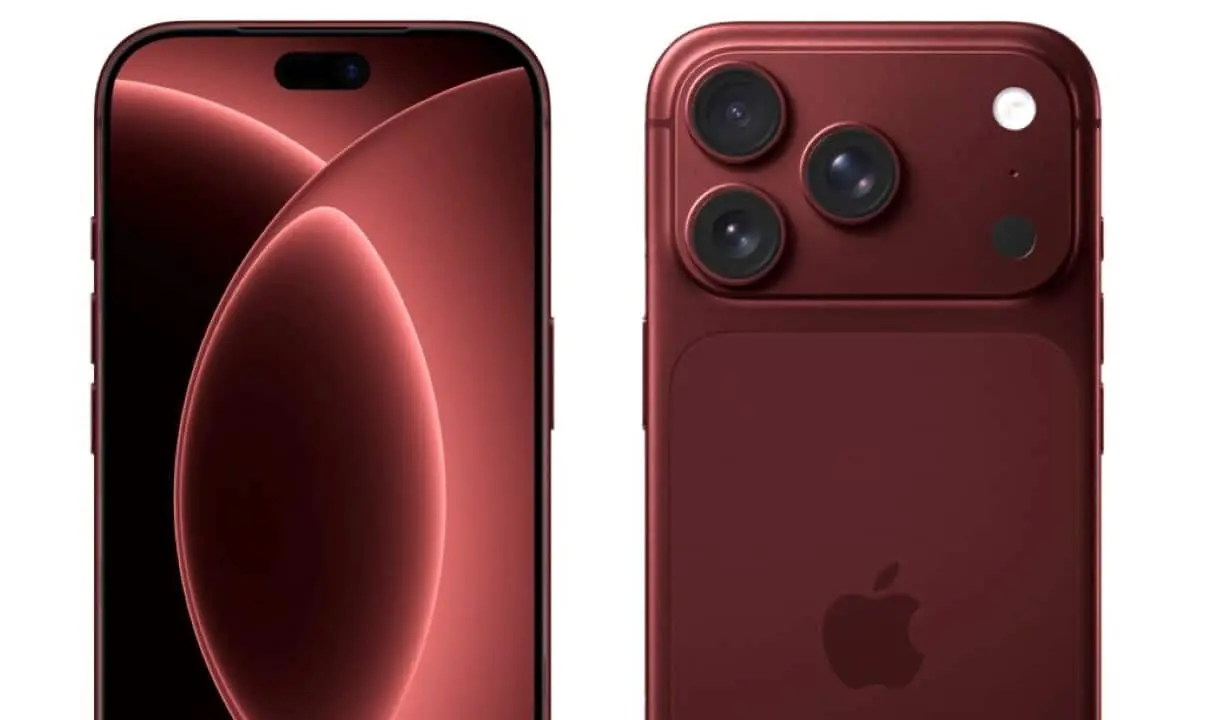
The mobile device industry registers a significant advance with the confirmation of the new line of high-performance smartphones developed in Cupertino. The North American manufacturer officially announced the arrival of equipment that changes the aesthetic and functional standards of the premium category. The project exposes the device’s internal components, requiring a complete redesign of the motherboard and the adoption of metal alloys new to the telecommunications sector. International retail sales are expected to begin in September, establishing a new level of demand for competing companies.
Structural engineering and new materials
To enable the display of internal engineering, the development team opted for a reinforced glass alloy on the rear panel. Esse material undergoes an exclusive chemical treatment in specialized laboratories, created to prevent natural yellowing caused by continuous exposure to sunlight and daily wear. The chemical composition of the glass also guarantees superior resistance against accidental impacts and scratches, preserving the visual integrity of the equipment.
The main chassis structure is forged from aerospace-grade titanium, a material that provides lightness and extreme rigidity. The union between the machined metal and the glass required the creation of an industrial adhesive capable of sealing the device against water and dust, guaranteeing the most rigorous protection certifications on the market.
Thermal management and energy autonomy
The time of use away from sockets represents one of the biggest technical leaps achieved by engineers, driven by a power cell that reaches the 5200 mAh mark. Esse Substantial increase in volumetric capacity was possible thanks to a new internal composition architecture, which optimized the available space to the millimeter. The inclusion of this high-density battery occurred without increasing the overall thickness of the smartphone, a considerable challenge given the new translucent format that leaves the parts visible to users.
With the components exposed, temperature control became a top priority for the industrial design team. The solution found involves the application of high-density graphene plates integrated into a completely redesigned vapor chamber system. Essa Advanced thermal structure dissipates heat generated by the processor quickly and silently, protecting the rear glass panel from overheating during tasks that require high processing power, such as gaming or recording high-resolution videos.
Read also: New iPhone 18 Pro brings transparent design and 5,200 mAh battery to the market
Redesign of the front panel and biometrics
The dimensions of the screens underwent precise adjustments to maximize the useful viewing area. The standard high-performance model now offers 6.3 inches, while the larger variant reaches 6.9 inches.
The engineering responsible for the display managed to refine the frames that surround the OLED panel, providing a more immersive experience during media consumption. Maximum brightness outdoors has also been significantly increased, making it easier to read in direct sunlight.
The most substantial change to the front interface involves the relocation of the facial recognition and brightness sensors. Esses components have been moved below the active screen, resulting in a 35% reduction in the area occupied by the top cutout.
More on this story: Apple launches iPhone 17 Air with 5.5 mm thickness and system that makes stolen parts unusable
The development of the under-screen biometric sensor required extensive research to ensure accuracy and security. Infrared light now penetrates the pixel array without distortion, validating the user’s identity instantly, regardless of ambient lighting conditions.
Advanced processing and artificial intelligence
The smartphone’s processing core is powered by a chip manufactured using the 2-nanometer process, marking a historic advance in the miniaturization of transistors. Este component is specifically designed to run artificial intelligence algorithms directly on the device, reducing dependence on cloud servers and increasing data privacy.
To keep up with the performance of the new processor, the RAM memory was expanded to 12 GB. Essa technical specification is essential for keeping complex language models running in the background, ensuring fluidity when switching between dozens of simultaneous applications and performing tasks such as translation in real time.
Photographic system and optical innovations
The rear photographic assembly introduces a variable aperture mechanism in the main lens, a technology inherited from dedicated professional cameras that allows the sensor to physically adjust the amount of light captured according to the environment. Esta mechanical innovation drastically improves depth of field in natural portraits, generates authentic background blur and increases the sharpness of night photographs by eliminating visual noise in very low light scenarios. Adicionalmente, all lenses in the module have received a new laboratory-developed optical coating created specifically to mitigate unwanted reflections from direct light sources such as street lamps or vehicle headlights during nighttime recording. The optical zoom system has also undergone a major overhaul, adopting an improved refraction prism that stabilizes the image more efficiently when filming on the move or capturing objects at long distances. The integration between the camera hardware and the new image signal processor allows the application of artificial intelligence filters at the exact moment of the click, correcting color distortions and adjusting the white balance even before the file is saved in the device’s internal memory.
Understand the case: Apple redesigns the look of the iPhone 18 Pro with translucent back and 5200 mAh battery
Satellite communication and telecommunications market
The device’s communications infrastructure was expanded to support a much more robust satellite connection, going beyond simply sending emergency messages. New integrated radio frequency technology allows you to make short voice calls and send compressed multimedia files in remote regions.
This evolution in connectivity also marks the definitive removal of the physical tray for operator chips, consolidating the transition to virtual technology in all markets. The Asian supply chain has already begun calibrating its assembly lines for mass production.
Price positioning in stores will reflect the high research and development costs of new materials and internal architecture. Essa strategy keeps the device in the ultra premium segment, aimed at consumers looking for the highest level of hardware innovation.
International production and distribution
Assembly lines located on the Asian continent operate at maximum capacity to guarantee the necessary volume of units before the official launch date. The titanium machining process and the application of chemical treatment to the glass require extremely high precision machinery, which required a billion-dollar investment in updating the manufacturer’s partner industrial parks to meet global demand.
More news in News (EN)
See more → Samsung releases new system update with new features for Galaxy Watch 4 users
 Digital retail reduces the value of the Galaxy S25 5G smartphone with bank bonuses and device exchange
 Amazon’s wireless CarPlay adapter has a 50% discount and high approval ratings from drivers
 Zach Cregger’s new Resident Evil ignores games and focuses on an unprecedented story with new characters
 Rumor suggests that Nintendo is preparing a special edition of the Switch 2 with a remake of Ocarina of Time
 Apple accelerates production of the iPhone 17e and develops new Air model with dual camera system
 Epic Games platform releases twelve high-budget games at no permanent cost for PC users
 PlayStation 5 Pro price drop accelerates digital retail sales and eliminates global stocks
 New Galaxy Watch 9 firmware appears on server and confirms progress in software development
 Apple’s commemorative project tests cell phone with 1.1 millimeter edge and curved screen for 2027
 New Apple system update optimizes urgent task management for iPhone users
 Leak details hardware of the new portable PlayStation with superior graphics to the Xbox Series S
More news on Mix Vale
- 1Colby Minifie confirms Ashley Barrett’s powers in The Boys season five
- 2Napoli x Milan in Serie A with confirmed lineups and where to watch live
- 3New battery test puts Galaxy S26 Ultra ahead of iPhone 17 Pro Max in global ranking
- 4Research reveals that parents are unaware of how their children use artificial intelligence
- 5Oppo officially launches the Find X9 Ultra worldwide with Hasselblad lenses and robust battery
- 6Tim Cook reveals new iPhone and iPod prototypes in celebration of Apple’s fiftieth anniversary
- 7New edition of foldable smartphone brings gold finish to Winter Games competitors
- 8Android system receives native Gemini Nano 4 integration for offline processing on smartphones
- 9Samsung updates QuickStar module and expands visual control of the panel in the One UI 8.5 interface
- 10Leak reveals Lords of the Fallen and Sword Art Online in April’s PS Plus Essential catalog