
Apple redesigns the look of the iPhone 18 Pro with translucent back and 5200 mAh battery
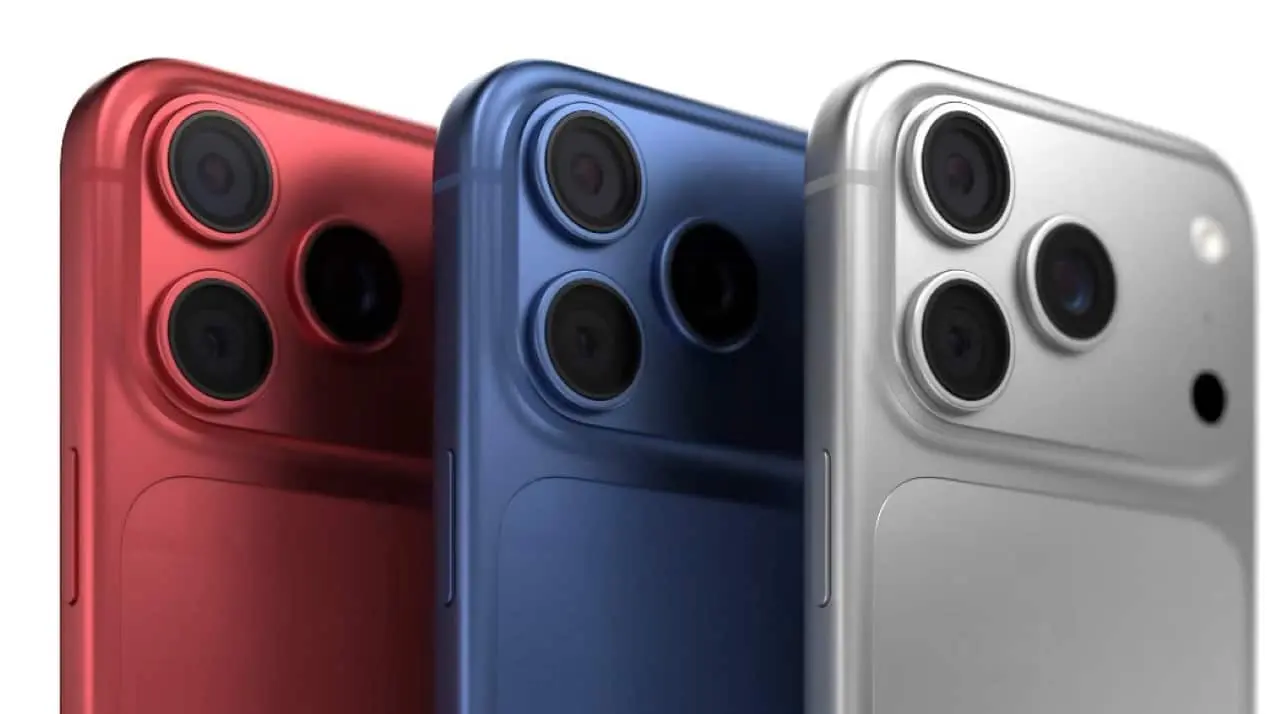
The Cupertino giant is fine-tuning the final details for the launch of its next generation of high-end smartphones, marking a radical transformation in the brand’s engineering. Future devices will reach the global market sporting a semi-transparent casing, combined with highly advanced internal heat dissipation specifications. The expectation is that the assembly lines will make the equipment available simultaneously in several countries during the month of September. To implement this project, the company needed to completely reevaluate the manufacturing stages at its facilities on the Asian continent.
Support for intensive processing has driven modern innovations, while the manufacturer tries to preserve classic aesthetic elements of its technologies. Sources linked to the supply chain indicate that the new line will have a higher energy capacity and an unprecedented lithography based on a 2 nanometer processor. Experts in the technology sector point out that the new functions of the operating system will be fundamental to getting the most out of this structural change. This movement highlights the company’s aggressive strategy to increase hardware requirements in the premium telephone segment.
Aerospace materials shape the device’s new chassis
The most striking visual change to the equipment is hidden in its back cover, which abandons the traditional opaque finish to adopt translucent glass. This design choice will allow consumers to observe part of the internal components, bringing back an aesthetic popularized in classic computers from the 1990s, but now with a touch of contemporary industrial minimalism. To make this idea viable without harming the physical integrity of the cell phone, the engineering team developed an exclusive metallic alloy that mixes aerospace-grade titanium with recycled aluminum. The new casing promises to be lighter and extremely resistant, also guaranteeing a manufacturing process with less environmental impact, combining nostalgia and vision of the future.
The creation of this complex structure required the creation of unprecedented methods of resistance against dust and water. Engineers applied state-of-the-art invisible sealants under the translucent panels to block any type of infiltration into the material’s joints. With this, the smartphone not only delivers a different look, but also gains the ability to withstand drops from up to two meters in height without causing damage to its internal circuits.
On the same topic: New iPhone 18 Pro brings transparent design and 5,200 mAh battery to the market
New processor and advanced cooling boost performance
At the heart of the device, the manufacturer will implement a two-nanometer manufacturing process, setting a historic milestone in the mobile phone industry, with production led by Taiwanese partner TSMC, a leading global semiconductor supplier. This microchip will consume considerably less energy, while delivering a significant leap in processing speed. The new component will work together with 12 GB of RAM, making it easier to run heavy applications and simultaneous tasks. To withstand the heat generated by the intense use of artificial intelligence, hardware experts designed a modern vapor chamber cooling system. The use of this chamber will keep the parts at an ideal temperature, preventing overheating during highly demanding activities, which forced the brand to restructure its entire assembly line.
To sustain all this processing power, the cell phone will come equipped with a 5200 mAh energy tank, the largest battery ever inserted in a phone from the brand to date. The gain in energy capacity occurred thanks to the optimization of internal space and the adoption of solid-state physical buttons. As the robust battery and ultra-fast charging support generate excessive heat during graphics-heavy games or ultra-high-resolution video recordings, the company developed a thermal system with graphene sheets. This high thermal conductivity material is designed to work in synergy with the vapor chamber, transferring heat from the motherboard to the outer edges of the titanium chassis. The absence of traditional mechanical volume and power buttons also freed up precious millimeters inside the device, ensuring that the device runs intense applications without suffering sudden drops in performance.
Full coverage: Latest News (EN)
Invisible sensors and brighter screens transform navigation
On the front, displays with micro-LED technology will reach peak brightness of 3000 nits, while larger versions of the device will be able to reach the 4000 nits mark. OLED panels feature significant improvements in color contrast and peak brightness, making content easier to view in direct sunlight. However, the most profound structural change is in the integration of the selfie camera and Face ID sensors. The company used a microscopic pixel technique on the screen itself to hide these hardware components. This modification will change the way the user interacts with the interface, as the current dynamic island will give way to an area where notifications will float freely across the display.
Read also: Apple announces cell phone with transparent back and 5200 mAh battery for the global market
This technical transition had a direct impact on optical assembly and display calibration. The engineering project needed to solve the problem of light refraction through the multiple layers of the screen. The main visual and functional changes include:
- Complete concealment of the infrared dot projector under the main glass.
- Drastic reduction of the side edges of micro-LED panels for an almost non-existent profile.
- Play videos and browse the internet with a completely frame-free experience.
- Facial recognition optimized to operate faster in dark environments.
End of the physical chip tray and advances in satellite connections
The new smartphone’s communication infrastructure moves towards a network supported by low-orbit satellites. The manufacturer adopted the electronic SIM standard in all global markets, completely eliminating the physical tray for operator chips, resulting in crucial space savings. This freed-up internal area was vital to accommodate the dense components of the satellite link antenna. In addition to sending emergency messages, the unprecedented system will allow voice calls and data transmission in regions without any cell phone coverage. The breakthrough required a complete rewrite of the software to manage the automatic transition between ground and space networks.
Preparing the supply chain for the global launch represented a real logistical challenge for Asian assembly lines. Factories had to adapt to the scarcity of specific parts and the high cost of machining the new metal chassis. The continuous supply of micro-LED panels and two-nanometer processors is the determining factor for the company to be able to meet projected demand for the last quarter of the year. Public acceptance of these innovations will dictate the direction of hardware design for the next generations of mobile devices.
Understand the case: Apple launches iPhone 17 Air with 5.5 mm thickness and system that makes stolen parts unusable
More news in Latest News (EN)
See more → German racer Michael Schumacher remains secluded 12 years laterMenendez brothers granted earlier 2027 parole hearing, reigniting debate over high-profile caseAlaskan cruise dreams shattered as technical woes force abrupt cancellation for hundreds of passengersIndiana farm manager affirms dedication to controversial Charlie Kirk corn maze despite widespread public backlashBeijing injects $53.6 billion into key financial institutions to bolster economic stabilityBureau warns record El Niño will intensify drought, driving up Australian food pricesUK poised to implement trade restrictions on Israeli West Bank settlements amid rising international concern
 Apple prepares iOS 27 with contextual Siri and visual search
 Chinese leaks reveal Xiaomi 18 Fold panel reaches 4,000 nitsXiaomi 18 Fold display reaches 4,000 nits peak brightnessApple redesigns iOS 27 with upgraded Siri and camera search
 Final Fantasy VII trilogy bundle hits Japan for 500 dollars
More news on Mix Vale
- 1Austin Reaves enjoys Labor Day weekend after pivotal Lakers contract, poised for leadership
- 2Quieter Russian nuclear submarines heighten NATO’s Arctic defense concerns, alliance boosts northern presence
- 3NTSB confirms Amazon cargo jet crew survived Miami crash, five dead and five injured in runway overrun incident
- 4U.S. diplomatic efforts confront persistent China-Peru economic ties amid rising regional tensions
- 5Capcom classics and Mycopunk arrive on PlayStation Plus tiers
- 6Dino Crisis 2 leads fresh wave of PlayStation Plus games
- 7Trilogy pack for Final Fantasy VII arrives in Japan for $500
- 8Ten classic PlayStation 2 titles that deserve full remakes
- 9Classic PlayStation 2 games demand complete modern revivals
- 10Classic RPG Astonishia Story arrives on Switch platforms in 2027