Leak indicates that Nintendo Switch 2 will have a removable battery to comply with new European law
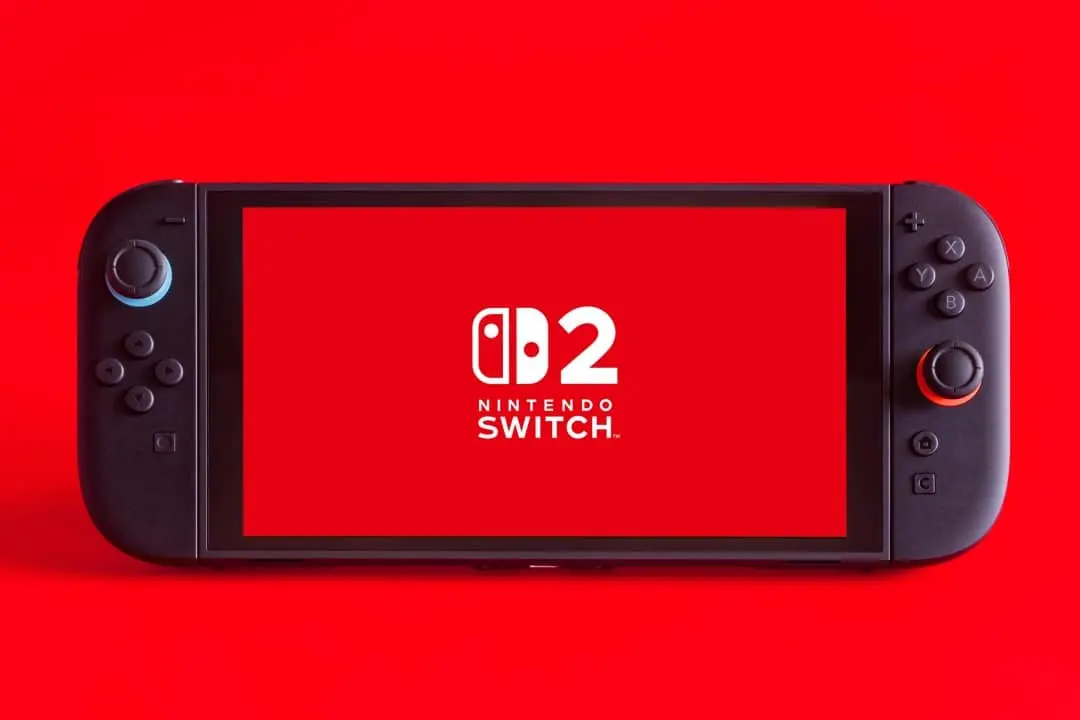
Recent information about the development of the Japanese video game giant’s next generation of hardware points to a significant structural change. The successor to the company’s current hybrid console must incorporate a power system that allows direct exchange by the user, abandoning the sealed format used in the last decade by the portable technology industry.
The change in design aims to adapt the equipment to new international regulatory requirements, while at the same time extending the life cycle of the device in the hands of consumers. The measure represents a paradigm shift in the recent sector, which had been prioritizing extremely compact devices with internal components inaccessible to the general public and dependent on specialized technical assistance.
The main factors driving this structural change in the electronics market include:
– The approval of strict legislation on electronic waste on the European continent.
– Growing consumer demand for greater autonomy and ease of repair.
– The need to maintain the resale value of the equipment in the long term.
On the same topic: Leak indicates that Nintendo Switch 2 will have a removable battery to increase the console’s useful life
Impact of international legislation on electronics design
The European parliament has established strict guidelines that oblige electronics manufacturers to supply devices with easily replaceable power sources. Essa standard directly affects the development of new hardware, forcing global companies to redesign their original designs to ensure commercialization in one of the largest consumer markets in the world, changing the way products are designed from the drawing board.
Compliance with these rules requires that the power compartment of the new device be accessible without the need for complex tools or heating to melt industrial glues. With this, the manufacturer guarantees legal compliance and avoids possible sanctions or sales bans in several countries from the moment the law comes into force definitively for all portable electronics.
Changes to the internal architecture and cooling system
Implementing a removable component creates direct challenges in console engineering, requiring a complete restructuring of the motherboard and heat dissipation systems. The internal space needs to be optimized to accommodate the secure docking mechanism and protective housing of the power cell, without compromising the ergonomic thickness or final weight of the product that will reach store shelves.
Learn more: Leak indicates that Nintendo’s new console will have a removable battery to extend its useful life
Hardware engineers point out that modularity affects the airflow needed to keep the processor at safe temperatures during advanced graphics processing. The solution to this technical obstacle involves the development of new thermal conduction materials and more efficient fans, capable of operating in a chassis with moving parts and additional openings for user access.
Direct benefits for the useful life of the equipment
The natural degradation of energy storage components is the main reason for early disposal of portable devices. By allowing simplified replacement, the manufacturer extends the usefulness of the device for several years, preventing the consumer from having to purchase entirely new hardware simply due to failures in charge retention after intense cycles of daily use.
Maintaining the console’s original performance becomes more accessible, as the replacement can be carried out at home, by purchasing an official replacement part. Esse business model strengthens the relationship of trust with the public, who begin to see the product as a lasting and sustainable investment, reducing frustration with planned obsolescence.
The used games market and the transfer of devices between generations gain new momentum with this engineering decision. A console with the ability to receive a new energy source regains its commercial value and full functionality, moving the circular economy and allowing the hardware to continue running the company’s software for a period much longer than the current standard.
See Also



More on this story: Leak reveals that Nintendo Switch 2 will have a removable battery to comply with new European law
Sustainability and reduction of global e-waste
The transition to modular models represents a fundamental step in mitigating the environmental damage caused by the technology industry. A massive amount of devices are discarded annually due to the impossibility of simple repairs, generating mountains of toxic waste that contaminate the soil and groundwater in several regions of the planet where irregular disposal still occurs.
The standardization of replaceable parts facilitates the recycling process, allowing heavy materials to be extracted and reused safely by specialized companies. The correct separation of components at the end of the product’s useful life reduces the need to mine new natural resources, relieving pressure on sensitive ecosystems exploited by the basic industry.
Environmental protection organizations closely monitor the decisions of large corporations in the digital entertainment sector. The adoption of greener practices by a market-leading company establishes a new standard of conduct, putting pressure on direct competitors to follow the same path in their future launches so as not to fall behind in environmental governance metrics.
Manufacturers’ engagement with sustainability also reflects a change in modern consumer behavior, which values brands committed to ecological preservation. The offer of durable and easy-to-maintain products aligns with the expectations of a society that is increasingly aware of the impacts of its consumption decisions and the need to reduce its carbon footprint.
Market strategies and sales of official accessories
The introduction of replaceable components opens a new revenue front for the company through the sale of accessories and certified spare parts. The direct sale of additional power units allows players to purchase extra charges for long trips or extended use sessions away from sockets, creating an ecosystem of complementary products that increase the average ticket per user. The availability of these items in partner stores and official channels strengthens the brand’s presence in physical and digital retail, ensuring that consumers have quick and safe access to original parts that keep the device’s warranty intact.
To avoid security problems and ensure proper functioning of the system, the manufacturer must implement hardware verification protocols that identify counterfeit or low-quality parts. The use of non-approved components presents the risk of overheating and irreversible damage to the main board, as well as physical danger to the user. Dessa way, the company maintains control over the quality of the experience, ensuring that only tested and approved products are integrated into the daily functioning of the console, protecting the integrity of the equipment and consolidating the reliability of its closed hardware ecosystem.
Learn more: New leak suggests that Nintendo Switch 2 will have a removable battery to facilitate maintenance
Transformation in the video game industry business model
The change in hardware design philosophy reflects a deeper transformation in the interactive entertainment industry’s business model, which focuses on long-term user retention rather than accelerated equipment replacement. By providing a device that can be physically upgraded on its fast-wearing components, the company ensures that the installed base of players remains active and consuming software, online service subscriptions and digital expansions for a much longer period of time. Essa strategy eases pressure on engineering teams to release frequent hardware revisions, allowing investments to be directed toward developing unique games and network infrastructure improvements. The stability of the platform attracts third-party developers, who find a safe and lasting environment to market their creations, consolidating the console as a continuous and highly profitable entertainment center throughout its entire market generation.
Expectations for the official announcement of the equipment
The financial market and the gaming community are awaiting a formal statement from the manufacturer to confirm the leaked technical specifications. The reveal of the new device should detail not only the modularity of the power source, but also the graphics processing capabilities and compatibility with the previous generation game library, defining the direction of the portable entertainment sector for the coming years.