Kalani Konig consolidates second place and Rayssa Leal drops to eighth place in the world rankings By Thiago Lemos
6 min read
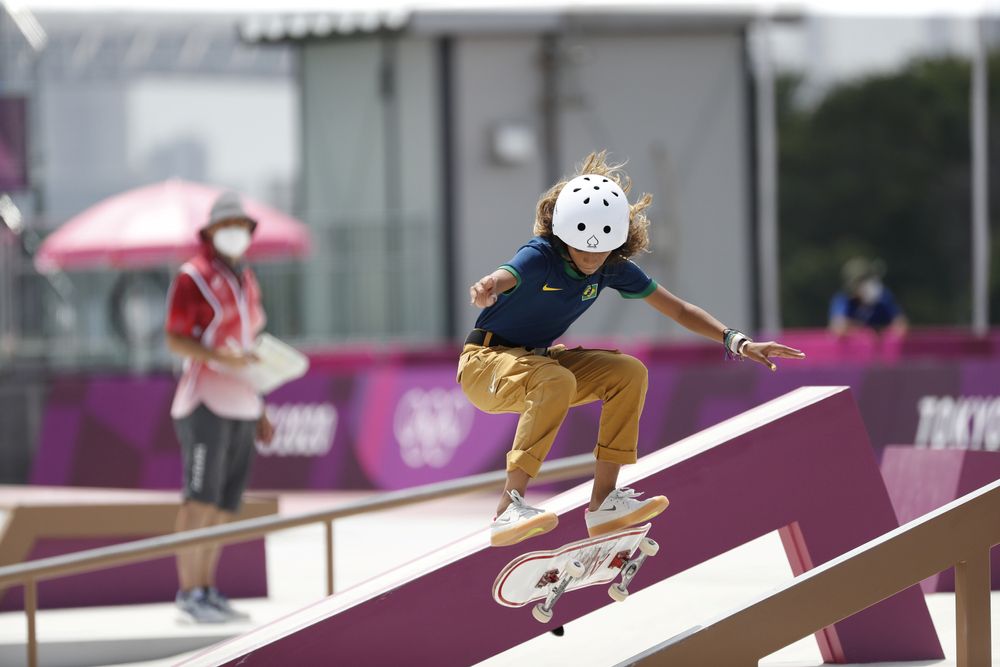 |
World Skate made official this Monday the update of the world ranking after the end of Campeonato Mundial of Skate held on São Paulo. The current scenario shows a high technical balance between the main powers of the sport, with emphasis on the rise of new names and the maintenance of experienced athletes at the top. Kalani Konig appears as the main name of Brasil today, holding the second position in the men’s park category. On the other hand, Rayssa Leal registered a drop to eighth place in the women’s street category, reflecting the intense scoring dynamics of recent international competitions.
The performance of Brazilians on the tracks in São Paulo was decisive for the configuration of this new list, which serves as a thermometer for the main competitions of the Olympic cycle. Diversos athletes managed to climb important steps, consolidating Brasil as one of the countries with the greatest numerical representation within the world’s top 30. Data analysis reveals the following main points about the distribution of athletes:
- Kalani Konig remains in second place in the men’s park after winning the silver medal.
- Giovanni Vianna maintains fifth position in the men’s street, being the best Brazilian in the category.
- The men’s park concentrates the largest volume of Brazilians among the thirty best on the planet.
- Japanese Ibuki Matsumoto took over the top ranking in women’s street after winning the world title.
Brasil’s impressive performance in the men’s park
The men’s park category continues to be the main strength of national skateboarding in terms of density of high-level athletes. Com Kalani Konig consolidated in second position, behind only the Spanish Egoitz Bijueska, Brasil demonstrates a consistent and talented renewal. Além of Konig, the country has Luigi Cini occupying fifth place and the young Gui Khury appearing in seventh place, guaranteeing three skaters among the ten best in the world.
This Brazilian hegemony in the park is reinforced by the presence of veterans and new promises who regularly score in World Skate events. Luiz Mariano appears in ninth place, closing the elite group of the top 10, while names like Pedro Carvalho and Dan Sabino occupy 14th and 15th positions, respectively. The list of Brazilians in the top 30 also includes Pedro Quintas in 19th and the experienced Pedro Barros in 21st place, highlighting the country’s technical depth.
Significant changes in the women’s street ranking
In women’s street, the update brought changes that caught the attention of enthusiasts of the sport, especially in relation to Rayssa Leal. “Fadinha”, which previously occupied second place in the world, dropped to eighth place in the official table of the international federation. Essa technical fluctuation mainly results from the system of discarding and adding points, as the Brazilian participated in one less event in direct comparison with the athletes who lead the top.
Even with the drop in the general table, Rayssa Leal remains isolated as the best placed Brazilian in the street category, maintaining a safe distance from her other compatriots. The female ranking also highlights three other representatives of the country among the top thirty: Gabi Mazetto occupies 19th position, followed by Pâmela Rosa in 25th and Maria Eduarda Souza in 29th. The global leadership now belongs to the Japanese Ibuki Matsumoto, who crowned her excellent phase with the trophy on Brazilian soil.
Stability and evolution in men’s street
Giovanni Vianna leads the Brazilian field in the men’s street with a solid fifth position, demonstrating regularity in maneuvers and consistency in grand finals. Logo behind, Wallace Gabriel appears in sixth place, forming an important double for the country at the top of the category. Internal competitiveness has driven the technical evolution of these athletes, who are able to achieve high scores on complex handrails and staircases.
In addition to the leaders, Brasil maintains a massive presence in the rest of the men’s street list with six additional athletes in the top 30. Ivan Monteiro and João Lucas occupy 17th and 18th positions, while Felipe Gustavo appears in 19th and Olympic medalist Kelvin Hoefler appears in 21st. Filipe Mota in 23rd and Gabryel Aguilar in 24th complete the list of Brazilians looking to climb the rankings in the next windows of international competition.
Scoring criteria and impact on upcoming events
The World Skate ranking system considers results obtained in sanctioned events over recent seasons, applying different weights to world championships and qualifying series. Absence in certain stages or below-expected performance in elimination rounds can cause sudden drops, as observed in several athletes in this update. The scoring is dynamic and undergoes immediate changes as soon as the official data for each heat is processed by the federation’s judges and technicians.
For Brazilian athletes, staying within the top 30 is essential to guarantee automatic invitations to the advanced stages of major tournaments. Estar well ranked reduces the need to compete in exhausting preliminary phases, allowing the skater to focus their energy directly on the semifinals and finals. The technical committee of Confederação Brasileira monitors these numbers to plan upcoming trips and logistical support for the national delegation.
Repercussion of the results of the São Paulo World Cup
Holding the World Cup in the capital of São Paulo provided a scenario of high pressure and visibility, directly influencing the mood and confidence of the competitors. Kalani Konig, by securing silver in front of the local fans, he proved that he is ready to fight for the top of the rankings permanently. Spanish athlete Egoitz Bijueska, champion of the event, used the victory to open up an advantage in the lead, but the difference in points for the Brazilian still allows for a tight dispute for the remainder of the season.
The drop from Rayssa Leal, although statistically relevant, is seen by analysts as a temporary situation within a long competition cycle. The fact that she has one less event counted suggests that, in her next participation in stages at level Pro Tour, the Brazilian has a great chance of recovering positions. The resilience demonstrated by athletes like Gabi Mazetto and Pâmela Rosa also indicates that the Brasil women’s street has the basis to remain competitive globally.
Perspectives for the next ranking update
The international calendar foresees new qualifying stages that should once again change the positions of athletes in the four main categories. Skatistas that appear between 20th and 30th position, like Pedro Barros and Kelvin Hoefler, seek more expressive results to return to the top 10 and guarantee better draw brackets. Regularity will be the watchword for those who want to avoid falls like those recorded this past Monday on World Skate.
The expectation of the Brazilian sports community is that investments in training center infrastructure will continue to bear fruit like those seen in the men’s park. The integration between veterans and newcomers has been a strategic differentiator for the country, allowing the exchange of experiences on reading the runway and executing high-risk maneuvers. The updated world ranking reflects the effort of a generation that keeps Brasil in the spotlight of global skateboarding.