

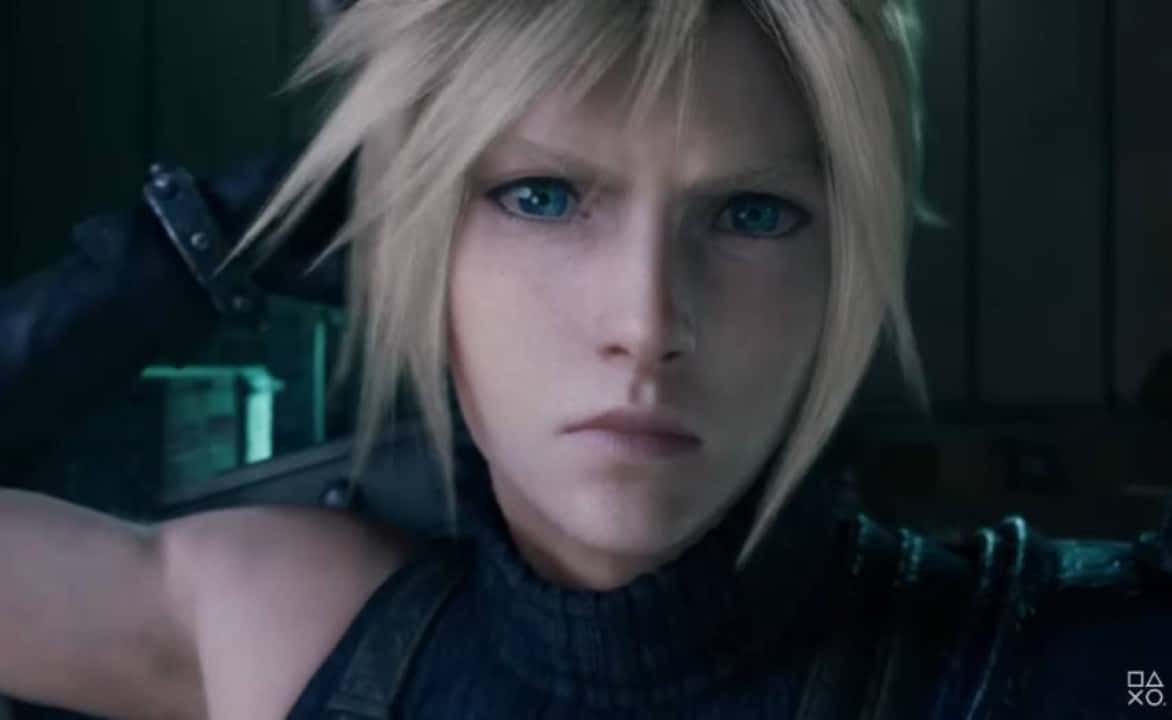
Japanese producer Square Enix has confirmed a drastic change in its market approach for the coming years. The third and final chapter of the project to recreate the classic Final Fantasy VII will abandon the temporary exclusivity format. The decision ensures that the title will be available simultaneously on different hardware ecosystems on the first day of sales. The measure aims to correct commercial flaws observed in previous releases of the same franchise.
The new corporate guideline establishes that the game will arrive at the same time for desktop consoles and personal computers. The strategy of covering as many systems as possible reflects an urgent need to increase the active consumer base. The company realized that limiting access to just one console brand hurts initial revenue potential, a vital factor for high-budget productions.

The current planning moves the producer away from the restrictive agreements that marked the last decade of the digital games industry. By making the product available on all fronts, the company hopes to maximize return on investment and avoid fragmentation of the gaming community, which often lost interest after months of waiting for software conversions.
Change in the developer’s business model
The change in the way it distributes its main products is part of a broader restructuring plan within Square Enix. The company identified that large titles, which require hundreds of millions of dollars in development and marketing, can no longer sustain themselves depending on a single platform. The transition to an aggressive multiplatform model seeks to mitigate financial risks and ensure a more solid and predictable revenue base.
The company’s recent financial reports have pointed out that exclusivity, even when subsidized by console manufacturers, does not compensate for the loss of direct sales to consumers of other systems. The new focus requires software engineering teams to think about the architecture of multiple devices from the first day of project conception, eliminating the need to create later adaptations that cost additional time and resources.
Recent franchise release history
The first game in the recreation project, released in 2020, hit the market as a product restricted to the PlayStation 4. Players on other platforms had to wait more than a year to access the adventure, which later received an updated version for the PlayStation 5 and, months later, for computers. Essa Waiting window generated frustration among part of the public and diluted the impact of advertising campaigns.
The second part of the trilogy followed a similar path at the beginning of 2024, being made available only for the new generation hardware of Sony. Até At the moment, users of computers and other consoles still do not have an official date when they can purchase the software. The fragmentation of access meant that many potential consumers followed the story through videos on the internet, reducing the impetus to purchase when the game finally loses its exclusivity.
With the decision to unify the release of the third part, the producer hopes to create a global sales event. The intention is that all interested parties can consume the product simultaneously, generating a volume of discussions and organic engagement on the networks that further boosts sales in the initial weeks, a period considered critical for the success of any interactive entertainment work.
Development of the last chapter of the trilogy
The creative teams responsible for the work confirmed that the main structure of the narrative has already been completely defined. The final script has been approved and the voice recording process with the original actors is about to begin. Esta stage marks the transition from the pre-production phase to full-force development, where programmers and visual artists begin to build the definitive sets and systems.
Using the same technological base as the previous game allows the studio to accelerate the creation of new content. Como Most of the character models, combat mechanics and artificial intelligence systems have already been established and tested by the public, developers can focus their efforts on expanding the virtual world and optimizing code performance for the different hardware that will receive the title.
Financial impact and audience reach
The production of electronic games has reached a level of complexity that requires massive sales to justify the existence of studios. The cost of keeping hundreds of highly qualified professionals working for four or five years on a single project forces companies to seek the largest possible audience. Third-party exclusivity, a common business model in past decades, has become a barrier to profitability in an economic scenario where inflation and operating costs are rising annually. The decision to release the outcome of the saga on multiple fronts ensures that Square Enix immediately accesses the millions of active users on competing computers and consoles, transforming the launch into a product with universal appeal within the action RPG niche.
Technical challenges of simultaneous production
Creating complex software for different machines at the same time imposes severe obstacles on software engineers. Cada platform has unique features of memory management, graphics processing and storage speed. The development team needs to ensure that the experience is fluid and visually stunning in all versions, without one limiting the potential of the other.
In the case of computers, the challenge is even greater due to the countless combinations of parts available on the market. Programmers must create scalable configuration menus, allowing the game to run acceptably on older machines while still offering cutting-edge visuals for high-end equipment.
For consoles, optimization focuses on getting the most out of closed hardware. The unified architecture makes it easier to look for performance bottlenecks, but it requires painstaking work to keep the frames per second rate stable during the most intense action scenes, which are a hallmark of the franchise.
Despite technical difficulties, the standardization of modern development tools makes it easier to export code to different systems. The use of versatile graphics engines allows the base of the game to be the same, with specific adjustments being applied only to the final rendering layer for each platform.
Expectations for the end of the saga
The public awaits the resolution of the complex plots and temporal changes introduced since the first game of the recreation. The directors’ promise is to deliver a conclusion that respects the legacy of the 1997 original material, but that also surprises veterans with new developments. Unifying the launch ensures that the entire community discovers the secrets of the story at the same time, preventing crucial details from being revealed in advance to isolated groups of players.
Digital games industry movement
The stance adopted by Square Enix reflects an irreversible trend in the global digital entertainment market. Grandes Conglomerates are realizing that the war of exclusivity harms the ecosystem as a whole, limiting the growth of brands and reducing profit margins. The opening to the multiplatform format strengthens intellectual property, making it recognized by a much wider spectrum of society.
Other giants in the sector have already started similar moves, taking their historic franchises to rival ecosystems. Breaking down these commercial barriers directly benefits the end consumer, who gains the freedom to choose the hardware of their choice without the fear of being left out of the main cultural releases of interactive media.