Interactive relief system maps light pollution and facilitates star observation in 2026
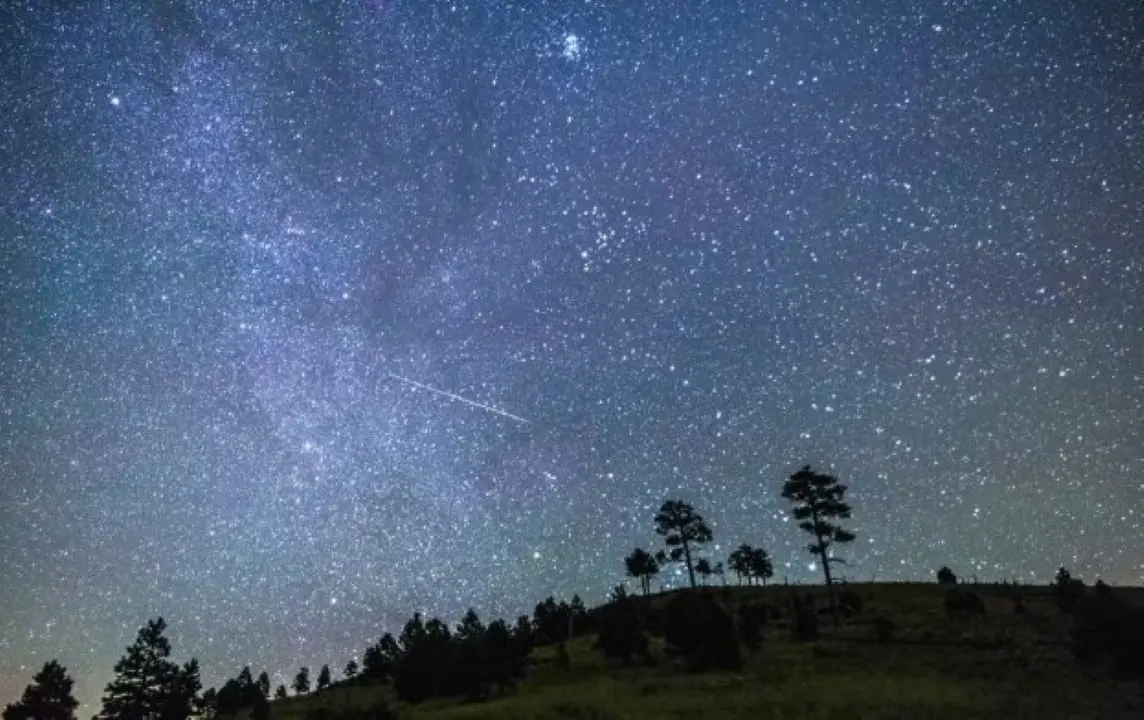
A new digital platform transforms satellite data into a three-dimensional map to illustrate the impact of nighttime artificial light. The system represents large urban centers as bright mountains and rural areas as dark valleys. The technology allows enthusiasts and professionals to accurately identify the most suitable locations for observing celestial phenomena. The resource appears as a practical alternative to overcome the loss of visibility caused by the expansion of cities.
The interactive model calculates the minimum distances necessary for the observer to escape the urban glare that obscures the sky. The tool considers atmospheric variations and temporal updates to deliver a realistic nighttime terrain scenario. As important events in the astronomical calendar approach, mapping gains relevance for expedition planning. Simplified access democratizes the search for preserved regions, eliminating the need for complex measuring equipment.
How embossed mapping technology works
The system’s architecture is based on the continuous collection of information by Terra observation satellites that record light emission at night. Esses Raw data undergoes processing that converts light intensity into virtual topographic elevations. Rodovias Busy industrial complexes appear on the screen like illuminated mountain ranges that block the view of the cosmos. On the other hand, environmental reserves and state parks form extensive dark plains that provide the contrast necessary to see the stars. The user navigates through this virtual environment intuitively, zooming in or out of the image to analyze escape routes from the metropolitan glare. The layer overlay allows you to cross-reference the luminous topography with traditional road maps, facilitating travel logistics. Especialistas point out that three-dimensional visualization eliminates the abstraction of old two-dimensional heatmaps. Visual clarity helps you make quick decisions about which direction to go on clear nights.
More on this story: Dark skies boost visibility of the Perseid meteor shower that will peak on August 13
Cloud processing ensures that the platform works on common browsers and mobile devices without requiring large hardware capacity. Atualizações periodicals reflect urban growth and the installation of new public lighting parks. Essa dynamics keeps the map reliable for those planning long trips with a focus on astrotourism.
Calendar of celestial events expected for 2026
The year 2026 holds a series of visual spectacles that require clear skies for adequate contemplation. Meteor shower Líridas opens the highlight season between April 16th and 25th, with an estimated rate of twenty fragments per hour. The period coincides with the passage of comet C/2025 R3, which reaches its closest point to Sol on April 19th. The visibility of this celestial body will directly depend on the absence of light interference in the location chosen by the observer. The combination of these two phenomena in the same month mobilizes research groups and nature photographers.
Learn more: Three-dimensional technology maps urban light and indicates the best places to observe meteors
In the second half, the focus turns to the opposition of Saturno, scheduled for the month of October. Durante During this phase, the ringed planet reaches its maximum brightness of the year and is visible throughout the night, requiring only entry telescopes to view its details. Antes Furthermore, in August, the famous Perseidas promise to cross the firmament with high intensity, being one of the most anticipated events of summer in the northern hemisphere and of winter in Brasil. The closure of the annual cycle occurs with Geminídeas in December, recognized for the consistency and vibrant color of its meteors. Para Enjoy any of these moments, the distance from artificial light sources becomes the determining factor between a frustrating experience and a memorable observation. Using the three-dimensional map in the weeks leading up to these dates optimizes the itinerary for those who want to photograph the deep sky. The precision in choosing the location compensates for the effort of traveling at night.
See Also
Artificial intelligence reveals signs of solar flares hours before and innovates in alerts
Leila Pereira reinforces support for Abel and the Palmeiras squad before the Libertadores clash

Death of Rossella Diaco: Rai Isoradio presenter reported illness on social media
The impact of artificial glow on the perception of the cosmos
The dispersion of artificial light in the atmosphere creates a grayish veil that gradually erases the less bright stars from the human field of vision. Esse phenomenon directly affects the ability to identify entire constellations and hides the Via Láctea milky stripe from the majority of the global population. The loss of the night sky transcends astronomy and interferes with the biological cycles of wildlife that depend on darkness to hunt and reproduce. Relief mapping quantifies this environmental degradation in a visually clear way. The visualization generated by the tool drives debates about the modernization of public lighting systems.
Energy efficiency projects seek to direct light beams exclusively towards the ground, avoiding wasted energy that illuminates the clouds. Cidades that adopt these guidelines begin to notice a slight regression in their pollution peaks in the three-dimensional model. The recovery of dark skies represents a simultaneous gain for science and the municipal economy.
On the same topic: Expansion of commercial satellites in space harms research at large ground-based observatories
Strategies and equipment to maximize the experience
Proper preparation turns a simple night out into a true amateur scientific expedition. Cross-referencing topographic data with the weather forecast prevents missed trips due to unexpected cloud cover. Monitoring the lunar phases also dictates the pace of observations, as the full moon acts as a gigantic natural reflector that overshadows smaller meteors. Aplicativos augmented reality systems function as ideal complements to the relief map, helping to locate specific constellations upon arrival at the dark point. The integration of these technologies forms a robust digital ecosystem for night explorers.
Experts recommend a visual adaptation of at least thirty minutes in total darkness before starting the search for stars. Using flashlights with red light preserves pupil dilation and allows you to read printed sky maps without damaging your vision. Roupas suitable for the cold at night and reclining chairs guarantee the necessary comfort for long waking hours.
- Check the atmospheric transparency index on specialized websites before traveling.
- Bring binoculars with a large lens aperture to capture more light from distant objects.
- Share the coordinates of the chosen location with family members for safety reasons.
- Avoid using high brightness smartphone screens during the observation session.
- Join local astronomy clubs to exchange information about safe routes.
Environmental preservation and the future of astrotourism
The search for valleys of darkness drives a new type of travel focused exclusively on contemplating the universe. Astrotourism boosts the economy of small rural towns that discover a natural heritage with high added value in the starry sky. Pousadas and remote farms adapt their facilities, reducing external lighting to attract photographers and researchers in search of the perfect image. The certification of dark sky parks gains strength as a seal of environmental quality that attracts visitors from all over the world. The three-dimensional map acts as a global catalog of these nocturnal sanctuaries, connecting tourist demand with supply from local communities. The scientific education fostered by these trips creates a new generation of defenders of natural darkness. Direct contact with the immensity of space awakens reflections on the urgency of protecting the planet’s resources. Technology serves as a bridge to a practical reunion with the stars.