

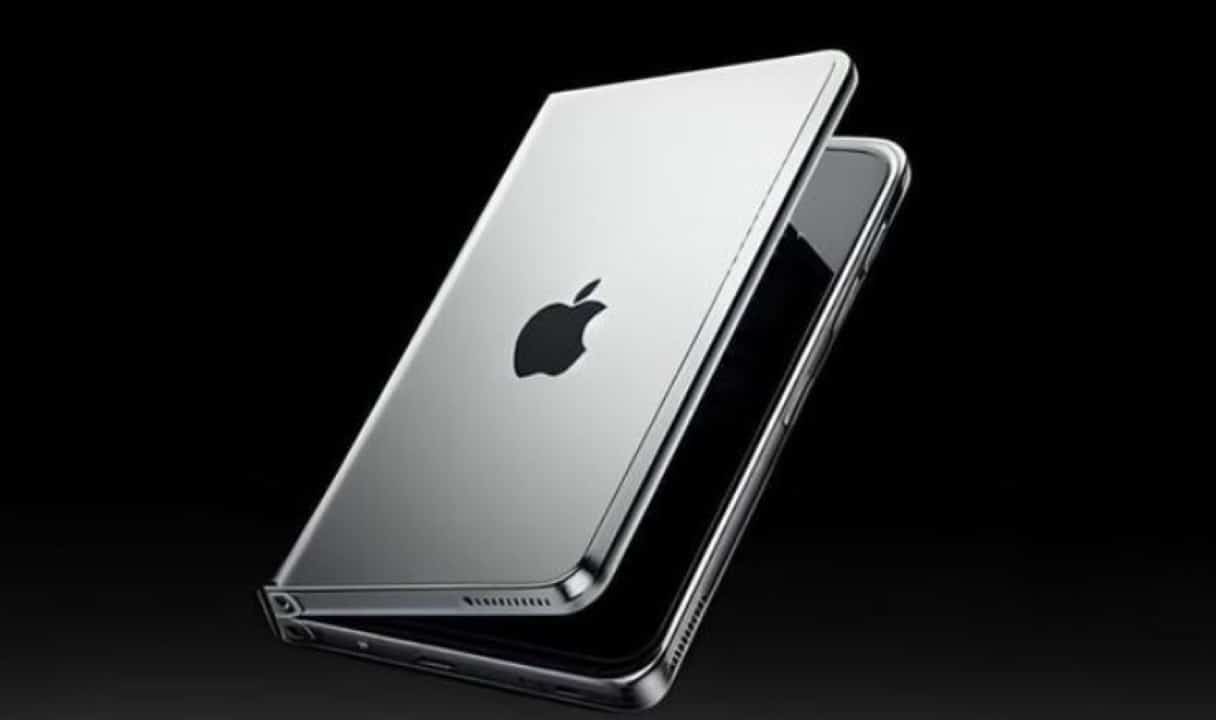
The global mobile device market has been awaiting a definitive move from leading Cupertino maker towards flexible panels for years. Asian Concorrentes dominate the segment with successive generations of devices that transform into small tablets.
Imagens recent three-dimensional images reveal the possible shape of Apple’s first foldable smartphone, tentatively called the Ultra iPhone. The design features an extremely thin body, reaching 4.5 millimeters when open and 9.5 millimeters in the closed state. The hardware houses a 5,800 mAh battery and a 48-megapixel main camera. The leak details the use of advanced materials in the hinge to minimize the central mark on the screen.

Engenharia focuses on reduced thickness and premium materials
The quest for a thin profile represents one of the biggest challenges in building foldable phones. The hollow model demonstrates a thickness of 9.5 millimeters in the folded position. The number puts the device at a direct competitive advantage against already established rivals. Expanded Quando, the device measures just 4.5 millimeters. Especialistas point out that the structure uses a titanium alloy. The material guarantees structural strength without adding excessive weight to the final assembly.
The use of titanium reflects a transition initiated by the company in its most recent lines from a traditional format. The use of this metal in the flexible model aims to protect the internal components during the constant opening and closing movement. The housing must withstand daily pressure without compromising the integrity of the circuit board. The external design maintains the brand’s characteristic visual identity. The edges feature a smooth finish for easy handling.
Projetos of reduced thickness require a complete reorganization of the internal elements. Placas printed circuit boards gain customized formats to fit into limited spaces. The cooling system also undergoes severe adaptations. Heat dissipation in a 4.5 millimeter chassis requires graphene layers and millimeter vapor chambers. The manufacturer tries to balance elegant design with the need to keep the temperature under control during heavy tasks.
Bending Mecanismo uses liquid metal and three-dimensional printing
The core component of any flexible device lies in the quality of its hinge. The iPhone Ultra design employs a combination of liquid metal and parts created by 3D printing. The technique allows for high precision assembly. The mechanism reduces the space between the two halves of the screen when the device is closed. The central mark, known as the crease, reaches an estimated depth of just 0.15 millimeters. The user will hardly notice the imperfection during everyday use.
The protection of the flexible panel involves multiple layers of special glass. The leak indicates the simultaneous adoption of ultra-thin glass and flexible glass in the same structure. Double protection increases durability against scratches and direct impacts. Telas foldables are often the most vulnerable point in this product category. The engineering seeks to deliver a tactile sensation similar to that of traditional rigid displays. The effort attempts to eliminate the plastic texture common in the first generations of competing devices.
Supply chain laboratory Testes evaluates the mechanism’s resistance to hundreds of thousands of bends. The liquid metal hinge absorbs mechanical stress more efficiently than conventional aluminum or steel alloys. The opening movement occurs fluidly and silently. The structure keeps the screen steady at different tilt angles. The feature makes it easier to consume media and participate in video calls without the need for external support.
Capacidade energetic and operating system integration
The hardware is powered by a 5,800 mAh battery. The component surpasses the capacity found in most bar-shaped phones available on the market. The power cell needs to sustain the high consumption of a large internal screen.
- Main Câmera equipped with 48 megapixel sensor for high resolution captures.
- User Interface adapted with visual elements inherited from the iPad operating system.
- Native Suporte for running two simultaneous applications in split screen.
The photographic module follows the high-resolution trend. The 48 megapixel sensor guarantees detailed recordings and better performance in low-light environments. The arrangement of the lenses on the back of the device still generates debate among production chain analysts. Software plays a fundamental role in the user experience. The operating system recognizes the transition between the external screen and the main panel instantly. The layout of applications automatically adjusts to the available space.
The optimized interface allows the consumer to use the device as a portable workstation. Splitting the screen makes it easier to copy text between documents and browse the internet while a video is playing. The processor’s power management works in conjunction with the 5,800 mAh battery to guarantee a full day of use away from the socket. The energy efficiency of modern chips compensates for the extra expense generated by the expanded display’s lighting.
Impacto on the market and launch strategy
The technology giant’s entry into the foldables sector changes the dynamics of the global industry. Asian Fabricantes have dominated sales in the category since 2019. The arrival of a strong competitor forces research to be accelerated and components to be made cheaper. The development of the iPhone Ultra takes place under tight secrecy in the Cupertino laboratories. The company maintains the tradition of not commenting on rumors or confirming projects before official presentation events.
Analistas finance monitors the movement of partner factories at Ásia. Pedidos of flexible screens and liquid metal hinges indicate the stage of product maturation. The exact launch schedule remains uncertain. The market projects that the introduction of the device will only occur when the technology reaches the quality standards required by the brand. The final price of the device should reflect the high cost of premium materials and complex engineering involved in its design.
The premium smartphone segment finds a new lease of life with the popularization of alternative formats. Consumidores seek tangible innovations after years of incremental upgrades to processors and cameras. The book format offers a tablet screen in the user’s pocket. Mass adoption of technology depends on the long-term durability and actual usefulness of software features. The leak of technical specifications demonstrates that the industry is moving towards resolving the main physical limitations of flexible devices.