Nintendo prepares launch of affordable digital console with classic edition of Mario included By Carolina Costa
5 min read
 |
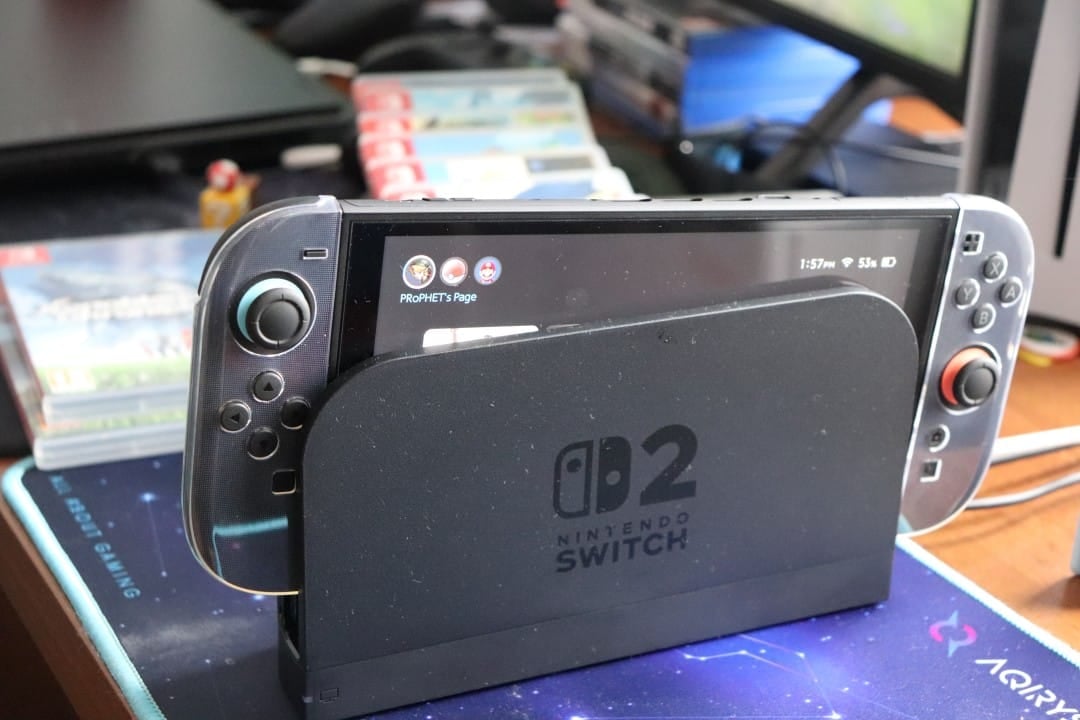
The Japanese video game giant is structuring the final details for the arrival of its next hybrid console on the global market next year. The company’s central strategy involves the commercialization of an exclusively digital version of the device, priced in the US$200 range. The initial sales package will bring an optimized version of the acclaimed Super Mario Galaxy Classic. The movement seeks to attract casual consumers and families who have moved away from the dedicated hardware segment in the last decade.
The decision reflects a profound transition in electronic entertainment consumption habits. The advancement of mobile devices and computers has changed the spending dynamics of the general public. The manufacturer is betting on an aggressive entry-level model to recover this lost space. Especialistas from the sector believes that the removal of the physical media reader represents a milestone in the trajectory of the Asian company.
Foco in digital format reduces production and logistics costs
Disposing of the disc reader and cartridges in the new version of the device generates substantial savings throughout the production chain. The company eliminates direct expenses with the manufacture of mechanical components, plastic packaging and international transport of physical goods. The profit margin on the sale of digital software grows considerably. The consumer now depends entirely on the official online store to purchase new titles.
The change of route also guarantees greater control over the platform’s financial ecosystem. The manufacturer avoids sharing revenue with intermediaries and regional distributors. The profit stays at home. The business model focused on direct downloads protects the company against the resale of used games, a market that historically does not pass on values to original creators. Analistas point out that the transition to a purely digital environment was an inevitable step for the brand’s long-term survival.
The promotional package with the Mario game works as an essential attraction to justify the absence of physical media. Offering a weighty title upon opening the box creates an immediate perception of value for the buyer. The strategy aims to facilitate acceptance of the digital format among more traditional users, delivering a complete experience from the first moment of use.
Revamped Hardware promises visual improvements and extended battery life
The development of the new system required complex adaptations to the equipment’s internal architecture. The engineering team prioritized energy efficiency and display quality to remain competitive against tabletop rivals. The leaked specifications indicate a significant leap compared to the previous model.
- The main panel uses advanced display technology, ensuring vibrant colors and deep dark tones even in bright environments.
- The capacity of the internal battery has undergone significant expansion, supporting prolonged sessions of use away from sockets.
- The cooling system has undergone a complete redesign, operating silently even during heavy graphics processing.
- Data transfer for games saved in internal memory occurs optimally, reducing waiting time at loading screens.
The balance between power and portability remains the cornerstone of product design. Maintaining the hybrid format allows the user to switch between the living room television and portable mode without interruption. The company rejected the inclusion of very high-cost components to preserve the price range accessible to the general public. The focus remains on the fluid user experience. Engenheiros hardware has worked to optimize the operating system, ensuring that navigating the menus consumes as few resources as possible.
Retrocompatibilidade generates debates between developers and the public
The ability to run current generation games on the new device dominates discussions on forums and social networks. The architectural transition raises doubts about the functioning of the library already acquired by consumers. Informações behind the scenes suggests that digital purchases linked to the user’s account will be transferred at no additional cost. The measure rewards public loyalty and prevents migration to competing platforms.
The scenario changes drastically for owners of physical media collections. The version of the console focused on downloads does not have an entry for old cartridges, making it impossible to use these items directly. Players who opt for the cheaper model will need to repurchase their favorite titles from the online store if they want to enjoy them on the updated hardware. Essa technical limitation generates frustration among the most dedicated collectors and moves the previous generation used market.
Lojistas physicists face uncertainty as market transitions
Large retail chains observe the manufacturer’s movements with extreme concern. The sale of consoles traditionally attracts customers into stores, generating impulse purchases of boxed games and collectible items. The popularization of a device without a media player threatens the cash flow of these establishments. Consumer traffic in electronics aisles has seen successive drops in recent years. The alert sounded in the sector.
Para compensates for lost software revenue, merchants redirect their efforts to offering complementary products. The retail focus becomes the sale of additional controls, protective films, headphones and extended warranties. The profit margins on these accessories are usually higher than those practiced when selling physical games. The survival of specialized stores depends on quickly adapting to this new commercial reality imposed by technology giants.
Financial market Expectativas for next year
Investors on the Tóquio stock exchange monitor the company’s every step in preparation for the launch. The success of the new platform will dictate the company’s growth rate for the next decade. The pressure for impressive results increases as the current console’s life cycle approaches its end. The financial market requires clarity about sales projections for the first quarters after the product hits the shelves. Analistas from investment banks publish weekly reports assessing the impact of aggressive pricing.
The fluctuation in the manufacturer’s shares reflects the anxiety of the corporate sector. Rumores about possible delays on the assembly line or changes to the official schedule cause immediate reactions on Asian trading floors. The company’s management remains confidential about the exact availability date, focusing on building a robust inventory to avoid a shortage of units. The supply strategy seeks to ensure that the device reaches the public without the logistical bottlenecks faced in previous launches.