

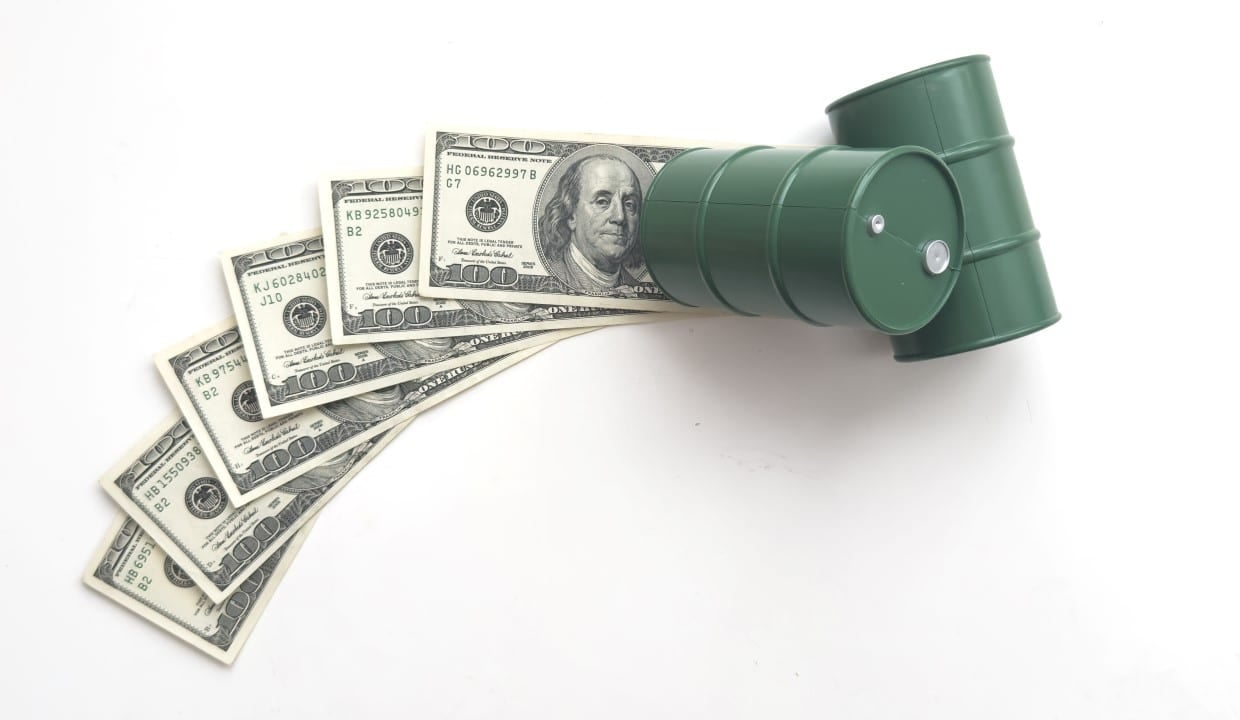
Oil continued to rise moderately on the morning of Wednesday, April 22nd. The May WTI futures contract was up about 0.5% and trading at $90.12 at around 8:10 a.m. Brasília time. At the same time, Brent for June increased 0.69% and reached US$99.16. The previous day, WTI had closed up 2.57%, at US$89.67, while Brent rose 3.14%, at US$98.48.
The movement occurred hours after the president of Estados Unidos, Donald Trump, announced the extension of the ceasefire with Irã. The decision responded to a request from Paquistão, which mediated conversations between the two countries. Trump conditioned the continuation of the truce on the presentation of a unified proposal by Teerã. Estreito of Ormuz remains blocked.
US Naval Bloqueio Remains in Force
American forces maintain blockade of Iranian ports and Irã-related traffic on Estreito of Ormuz. Trump reinforced that the US Forças Armadas remain on standby and that the naval blockade remains active. Ele stated that the measure puts pressure on Irã, which economically depends on the flow of oil and gas through the region.
The strait, located between Irã and Emirados Árabes Unidos, concentrates between 20% and 30% of the world’s oil transported by sea and a large part of liquefied natural gas. With the corridor still blocked, the market remains sensitive to any sign of prolonged disruption in global supply.
- Paquistão acted as mediator and asked for an extension of the truce
- Trump demanded unified proposal from Iranian government
- Previous Negociações on Paquistão did not advance on central points
- US naval Bloqueio continues despite truce extension
- Irã conditions reopening of the strait to the end of the American blockade
- Relatos of shipping incidents in the region have increased tension
Trump declared that immediately reopening the strait would prevent a future agreement. In a post on social media, he mentioned that Irã loses around US$500 million per day with the closure and that Teerã would only be keeping up appearances by defending the blockade. Economic pressure is added to the maintenance of the naval blockade.

Irã reacts and maintains position over the strait
Do Iranian side, officials stated that the American naval blockade amounts to the continuation of hostilities. The agency Tasnim, linked to Guarda Revolucionária, reported that Irã will not reopen Estreito from Ormuz while the measure persists. The statement indicated that the country may resort to force if necessary to break the blockade.
The extension occurred after Trump adopted a more aggressive tone in previous statements. Ele even mentioned the possibility of resuming military actions if there was no progress in the talks. The change in stance was seen as a retreat given the lack of immediate response from Teerã and the pressure from mediators for a negotiated solution.
The oil market reacts to these developments in real time. Qualquer new announcement about negotiations or the status of the strait can quickly change quotes. Até now, the increase remains moderate, but within a scenario of high volatility.
Impacto on markets and energy flow
Analistas closely monitor price behavior because the strait represents a strategic bottleneck for the global economy. Qualquer prolonged disruption may affect oil and oil product supply chains in several regions. Até At the moment, maritime traffic through the area remains very low.
The upward movement in futures contracts reflects the persistence of uncertainty. Mesmo With the extension of the truce, the blockade maintains pressure on supply and keeps prices at high levels. Brent is once again approaching the US$100 per barrel mark.
Relatos of incidents involving ships in the strait region contributed to the fluctuation in prices throughout the morning. At times, prices even tested higher levels before retreating slightly. The combination of geopolitical factors and stock data on Estados Unidos influences investor behavior.
American Decision Detalhes
Trump stated that he ordered Forças Armadas to maintain lockdown and remain ready. The extension has no defined deadline and is valid until Irã presents a proposal and discussions are concluded. The American president cited the role of Paquistão and the need to give the Iranian government time to align a common position.
The decision avoided the immediate end of the truce, which was scheduled to expire soon. However, the maintenance of the naval blockade generated an immediate reaction from Teerã, who classified the action as continued hostility. Paquistão thanked Trump for the extension and reinforced its role as mediator.
The head of Casa Branca had previously signaled that he hoped to resume bombings if there was no advance. The indefinite extension represents an adjustment in strategy, but without concessions in the blockade. Analistas note that economic pressure on Irã remains strong.
Repercussão on the international stage
The announcement of the ceasefire extension brought some initial relief to global markets. Bolsas on Ásia and Europa showed partial recovery after the news. Ainda therefore, the focus remains on Estreito of Ormuz, where the oil flow remains interrupted.
Países Oil importers are monitoring the situation closely. Qualquer signal of normalization in the strait could ease prices, but the maintenance of the blockade supports caution. Irã, in turn, depends on exports through the route to sustain its economy.
Paquistão’s mediation is highlighted at this time. Líderes Pakistanis asked Trump for more time for Irã to organize an internal proposal. The country seeks to avoid further escalation in the regional conflict.
Perspectiva for the next few days
The behavior of oil this Wednesday reflects the balance between diplomatic relief and tension in maritime transport. Futures contracts fluctuated throughout the morning, with moderate gains dominating. Dados of stocks and Estados Unidos also enter the traders’ equation.
Especialistas indicate that the market will remain volatile until the status of the strait is clarified. A gradual reopening could change the supply picture, but there is no indication that this will happen in the short term.
The US government remains focused on the need for a unified Teerã proposal. Sem that, the naval blockade continues as an instrument of pressure. Irã, on the other hand, conditions any movement to the end of the restrictions imposed by Estados Unidos.
The situation involves multiple actors and global economic interests. Oil remains central to the discussion, with potential impacts on inflation, transport costs and growth in several economies. Acompanhe the next developments to better understand the direction of prices.