
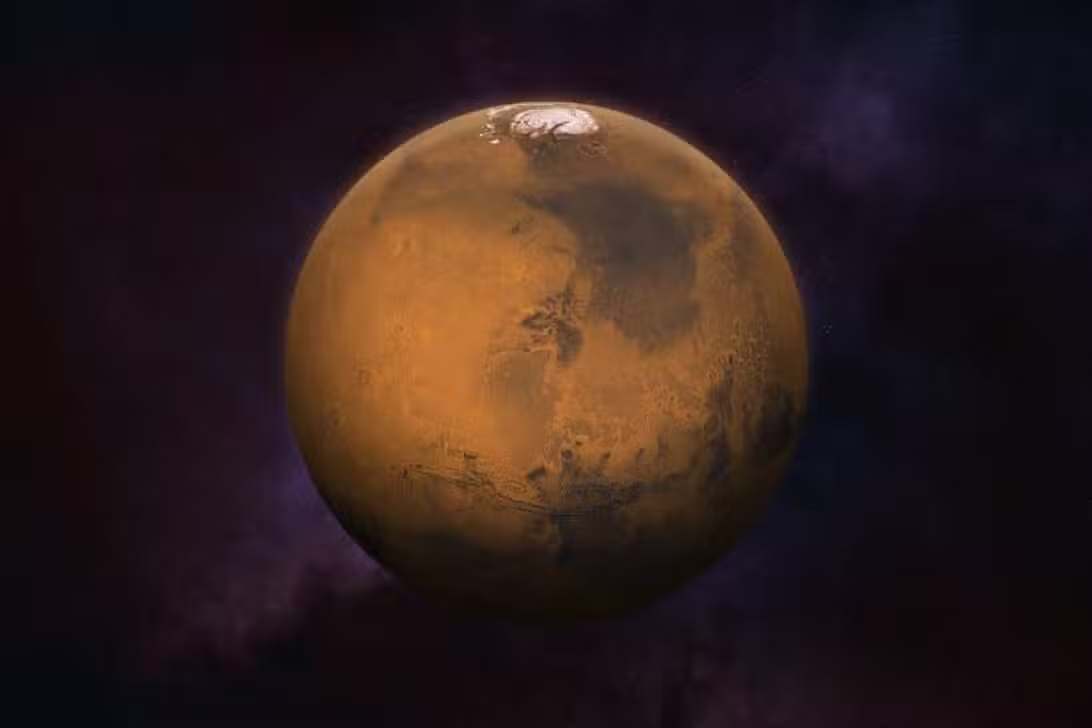
Nasa’s Curiosity rover identified seven organic compounds in a rock sample collected at Marte. Cinco of them had never been detected on the red planet. The discovery came from a chemical experiment carried out for the first time outside Terra. The results came out this Tuesday in a study published in the magazine Nature Communications.
Amostras were drilled in 2020 in the region dubbed Mary Anning, within Cratera Gale. The robot landed at the site in 2012 with the mission of investigating whether the ancient environment could have supported microbial life.
Experimento used chemical substance to decompose organic matter
Pesquisadores applied a small amount of TMAH to the sample. The substance broke the molecules and released gases analyzed by the SAM instrument on board the rover. The method made it possible to identify more than 20 molecules that contain carbon.
Entre the seven compounds first detected in Marte, one of them is benzothiophene. Trata is a structure with two rings and sulfur. Outra indication pointed to a compound with a shape similar to DNA precursors.
- Cinco organic compounds unprecedented on the planet
- Benzotiofeno as an example of a complex molecule
- Presença suggested DNA-related structure
- Mais of 20 total carbon molecules
- Análise made from clay-rich rock
Clay helps preserve these materials for long periods. The area of Glen Torridon, where the sample was taken, shows signs that water once existed. Isso creates conditions that could have allowed chemical interactions.
Descoberta reinforces old habitability of Cratera Gale
Cratera Gale is about 3.5 billion years old. Cientistas believe the site was home to an ancient lake. The presence of clay indicates a moist environment that lasted long enough to form sediment.
Amy Williams, from Universidade from Flórida and team leader, highlighted the importance of finding preserved organic matter. The finding shows that the planet maintained conditions capable of retaining complex compounds.
Marte formed approximately 4.5 billion years ago. At the beginning of history, the planet was hotter and wetter than it is today. The atmosphere and magnetic field changed over time and left the environment cold and dry.
The study does not determine the origin of the molecules. Elas may have arisen through geological processes, arrived via meteorites or involved ancient biological activity. The same type of organic compound fell into Terra and may have contributed to the emergence of life here.
Argila has preserved molecules for billions of years
The composition of the soil in Cratera Gale favors conservation. Minerais clay traps molecules better than other materials. Isso explains why Curiosity found higher diversity in this specific region.
The rover continues to explore the site. Future Missõess intend to bring samples back to Terra for more detailed analysis. Só will thus make it possible to clearly distinguish between biological and non-biological origins.
Benzothiophene frequently appears in meteorites. Similar Substâncias reached Marte and Terra in the early period of the solar system. Ancient water could have helped transform these blocks into more complex structures.
Próximos steps depend on sample return
Cientistas need terrestrial laboratories for advanced examinations. The Perseverance rover collects rocks in another crater with a similar objective. Planos to bring this material faces technical and cost challenges.
Enquanto that’s it, Curiosity continues sending data. Cada analysis adds pieces to the puzzle about the Martian past. The diversity of organic compounds opens up new possibilities for understanding habitability.
The TMAH experiment expanded what the onboard instruments can detect. Resultados show that the Martian surface holds ancient chemical records. Isso increases the scientific value of missions exploring the Red Planet.
Contexto from previous missions supports new analysis
Curiosity had previously found other organic compounds in Marte. The 2020 sample delivered the most diverse collection yet. The breakthrough came from the unprecedented use of the chemical on Martian soil.
Previous Pesquisas pointed to the presence of running water and minerals formed in a humid environment. The new discovery adds to these signs. Juntos, they paint a picture of an ancient Marte with conditions more favorable to the chemistry of life.
Nenhum definitive sign of microbial life has yet emerged. The compounds may be of purely geological origin. Mesmo thus, the find reinforces that the planet has preserved materials that deserve in-depth investigation.
Nasa plans to continue rover operations. New Dados may emerge from other samples collected throughout the mission. The scientific community follows the results with the expectation of advances in astrobiology.