

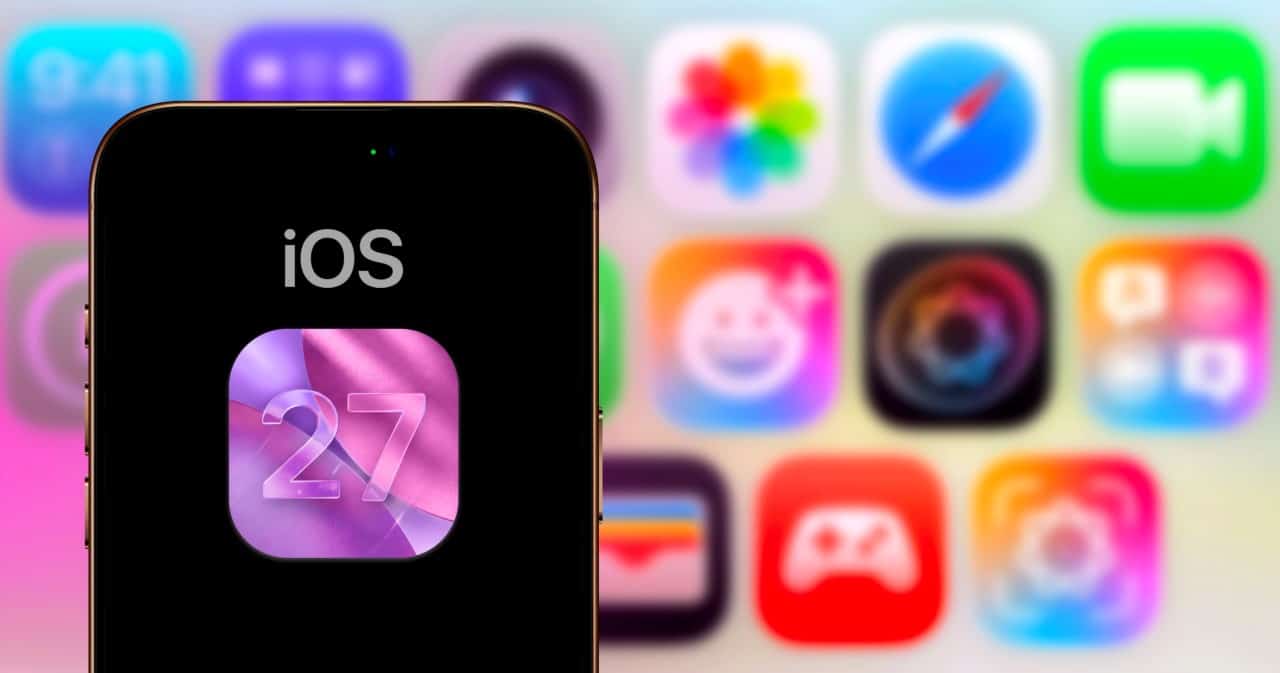
Apple’s next major operating system update promises to change the compatibility landscape for millions of users around the world. Recent Informações point out that a popular line of smartphones launched a few years ago will lose access to software news. The movement reflects the manufacturer’s technological transition towards more robust processors. The industry is closely following developments.
The cut directly affects consumers who keep older devices in daily use. The superior hardware requirement aims to accommodate advanced tools and interface optimizations that demand high processing power. The move establishes a new entry level for the brand’s updated ecosystem. Especialistas debate the impact of this decision on the used electronics market.

Fim of the line for classic models and impact on consumers
The leak originating from Asian forums details exactly which equipment will remain stagnant in the previous version of the system. The list includes devices that marked an era and still have a strong presence on the second-hand market. The transition ends a support cycle considered long by mobile technology industry standards. Muitos users keep these phones for battery life and camera quality.
The affected devices share technical limitations that prevent new animations and processes from running smoothly in the background. The processor present in these units does not meet the minimum requirements established by the company’s software engineers. The decision forces a considerable portion of the public to rethink staying in the digital ecosystem. The obsolescence of the operating system generates debates about sustainability.
The list of devices that do not advance to the new software generation includes very popular options in retail:
- Eleventh generation standard Versão.
- Variante Pro with premium finish.
- Edição Pro Max with expanded screen.
- Compact Modelo released in the second generation.
The exclusion of these four pieces of equipment represents a significant leap in the American manufacturer’s standards. Owners of these units will not receive annual interface packages, but the company maintains a parallel cyber protection policy. Correções security issues continue to arrive for an extended period to prevent serious vulnerabilities. The device remains functional for everyday tasks.
Nova compatibility base requires newer processors
The architecture of the new operating system was designed to extract maximum performance from specific components. The A14 chip acts as the dividing line between the past and future of the company’s mobile software. Aparelhos equipped with this component or higher versions guarantee the passport for the major annual update. Software engineering focuses on energy efficiency.
The family of smartphones that introduced the straight edge design marks the beginning of the compatibility list confirmed by rumors. Todas variants released from this point onwards are safe for the next digital renewal cycle. The brand’s latest entry-level model also survives the cut thanks to its updated processor. The strategy unifies customers’ visual experience.
The market awaits official confirmation of this relationship during the annual developer conference scheduled for the middle of the year. The event serves as a traditional stage for demonstrating the software’s capabilities before public release. Technology Analistas uses these previous leaks to project consumer purchasing behavior in the second half of the year. Expectations move the company’s shares.
Artificial intelligence Ferramentas creates division of experiences
Simply being on the list of compatible devices does not guarantee full access to all innovations announced for the period. The suite of features based on generative artificial intelligence demands neural processing capacity unique to recent premium models. Esta technical limitation fragments the user base into different levels of usability. The hardware barrier dictates the rules of the game.
Consumidores with intermediate equipment will receive visual improvements and interface adjustments, but will be left out of advanced automation. Revamping the virtual assistant and generating native content requires components that don’t exist in previous generations. The strategy boosts the sale of the most expensive models in the current catalog. The appeal of the new software works as a sales engine.
Aesthetic changes include new control panels and more sophisticated screen transitions for all updated devices. The manufacturer seeks to balance the delivery of visual novelties with the restriction of heavy functions to avoid crashes on old cell phones. Battery management also receives special attention in the new system’s code. The objective is to maintain the brand’s characteristic fluidity.
Planejamento financial and alternatives for the affected public
The software shutdown forces the user to evaluate the cost-benefit of immediately changing a cell phone. Maintaining the old device perfectly suits those who only use their smartphone for basic communication and social networks. The second-hand market usually reacts to these announcements with an accelerated devaluation of excluded models. The decision involves careful financial planning.
Especialistas in personal finance recommend caution before making commitments to purchase the latest release from stores. Mid-generation Opções offers software survivability at more affordable prices in traditional retail. Data migration and adaptation to the new screen format are part of the equation for those who decide to invest in updated equipment. The consumer has varied alternatives.
The technology industry’s release calendar follows a predictable rhythm that makes it easier for the average consumer to stay organized. Test versions begin to circulate among programmers shortly after the official announcement, allowing flaws to be identified. Release to the general public traditionally takes place in September, following the arrival of new hardware on global shelves. The cycle repeats annually.
Histórico of updates reveals brand longevity pattern
The manufacturer’s software maintenance policy far exceeds the average observed in the global mobile device market. A useful life cycle of five to seven years represents an important competitive differentiator in attracting new customers. The predictability of these cuts helps companies and common users to plan the renewal of their technological stocks. Trust in the brand supports high prices.
Previous Transiçõess have demonstrated that losing the major update does not render your device unusable overnight. Aplicativos banking and messengers continue to work perfectly for years after the end of official operating system support. The decision to change cell phones is based much more on the physical wear and tear on the battery than on the lack of software resources. The durability of the hardware is impressive.
The current scenario reinforces the importance of understanding technical specifications before making a high-value purchase. Choosing a model with an outdated processor speeds up encountering the barrier of system incompatibility. The modern consumer needs to balance the immediate budget with the prospect of the digital longevity of their investment. Technological education avoids future frustrations in the daily use of the device.